

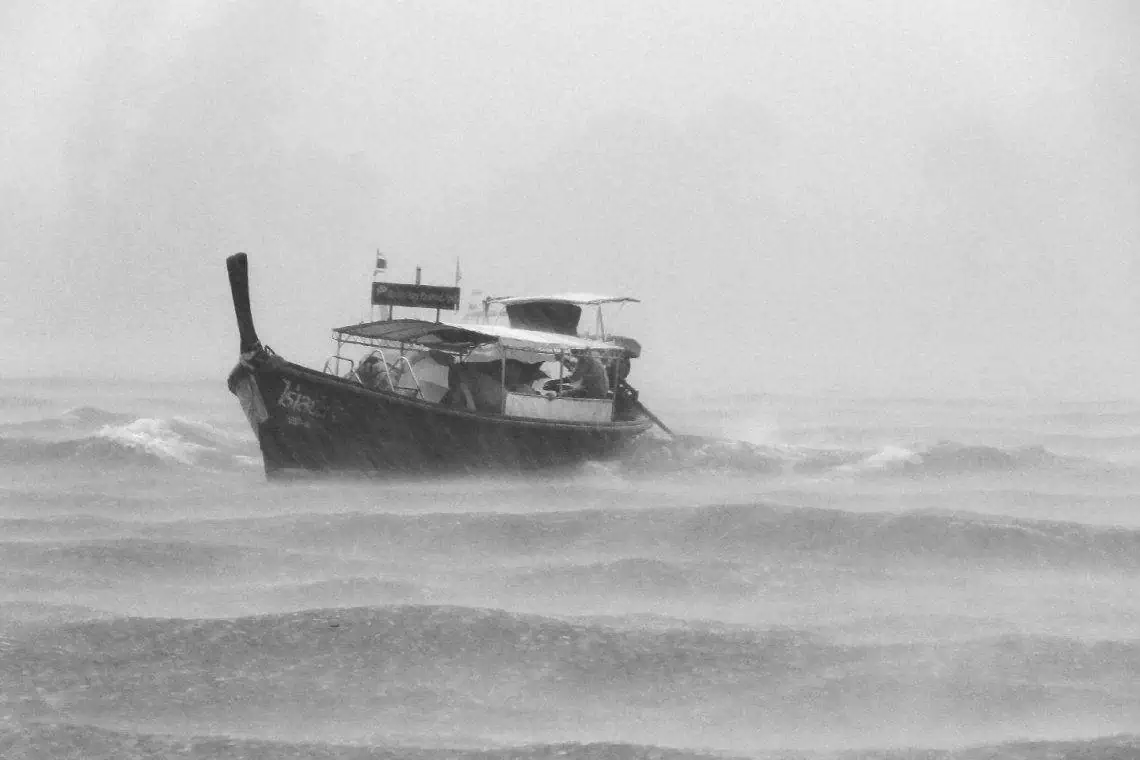

Two massive storms are closing in on South Africa’s eastern coast in a rare double threat. As of October 28, 2025, the South African Weather Service has raised alerts for KwaZulu-Natal and the Eastern Cape. Communities face high winds, heavy rain, and storm surges that could rival the worst events in decades.
Hurricane Melissa: Atlantic Powerhouse Enters Indian Waters
Hurricane Melissa formed in the Atlantic on October 21, 2025, and quickly grew into a Category 5 storm with winds over 260 km/h. It moved south into the Indian Ocean, an unusual path driven by La Niña-influenced jet streams. Satellite data show a clear eye and a cloud field more than 800 km wide. The storm could bring surges up to 4 meters and rainfall over 1,000 mm in affected areas.
Models predict Melissa will pass south of Madagascar before nearing the Wild Coast. Land contact may weaken it slightly, but strong winds and floods remain likely for coastal towns.
Cyclone Montha: Bay of Bengal Storm Turns South
Cyclone Montha developed in the Bay of Bengal on October 26, 2025, with gusts reaching 140 km/h and climbing. Warm seas near 30°C fuel its growth. Forecast tracks show a sharp southward turn, sending rain bands toward South Africa’s eastern provinces.
Though compact, Montha could drop 200–300 mm of rain in a day, raising landslide risks in hilly areas. Experts watch for possible interaction with Melissa, which might spin the storms around each other and increase rain intensity.
Official Warnings: High Alert in Two Provinces
The South African Weather Service issued Level 4 warnings for October 27–29, 2025, covering Durban, Gqeberha, and East London. Expect winds to 100 km/h, large hail, and waves of 4–6 meters. Evacuations are underway in low areas, and disaster teams are on standby.
Radar shows early storm cells forming. Residents recall the 2022 KZN floods and are sandbagging rivers and securing homes. Tornado risk exists inland.
How Storms Differ Across Ocean Basins
Atlantic hurricanes peak June to November and often carry extreme winds. Indian Ocean cyclones run November to April and typically deliver heavier rain due to monsoon moisture. This year’s overlap is uncommon but fits a rising trend in cross-basin events linked to warmer oceans.
Climate Signals Behind the Surge
Global temperatures are 1.1°C above pre-industrial levels, adding 10–20% more power to tropical storms. La Niña cools the Pacific but warms the Indian Ocean, creating ideal conditions for intense cyclones. Projections show a 30% rise in strong events by mid-century.
Practical Steps to Stay Safe
Pack a three-day kit: water (4 liters per person daily), canned food, medicines, torch, and radio. Tie down loose items and trim trees. Know your evacuation route and register for local SMS alerts.
Elevate valuables, clear drains, and avoid flooded roads. After the storm, watch for live wires and boil drinking water. Check insurance for wind and flood cover.
Strength in Unity
Accurate forecasts and community action can limit harm. By preparing now and supporting neighbors, coastal regions can weather the onslaught and build lasting resilience.