

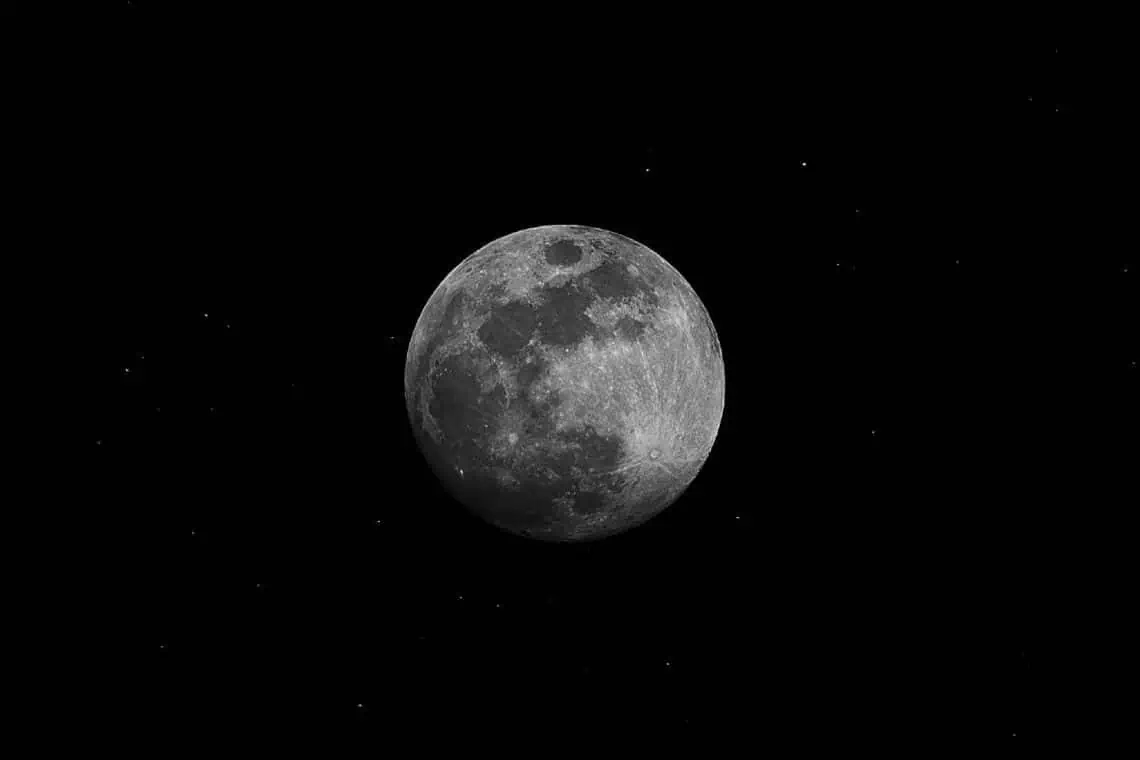

Stargazers worldwide are hyped for the Beaver Supermoon—the largest, brightest full moon of 2025. Why watch from light-polluted cities when Kruger National Park delivers a front-row cosmic safari? Picture a massive orange orb rising over acacia-studded savannas, silhouetting elephants at waterholes under some of the planet’s darkest skies. This guide equips you for the November 5 spectacle with prime viewpoints, pro photography hacks, and insider astronomy-tourism tips.
Why This Beaver Supermoon Is Unmissable
The Beaver Moon honors Native American traditions signaling the season when beavers fortify dams for winter. It peaks on November 5, 2025, at 13:19 UTC (15:19 SAST), yet the real drama ignites at moonrise—around 18:40 in Kruger, minutes after sunset at 18:30.
As a true supermoon, the Moon swings into perigee—its closest orbital point to Earth—appearing 7.9% larger and 16% brighter than average. In Kruger’s pristine Bortle 1 skies, it bathes the wilderness in silver light, spotlighting nocturnal hunters like leopards and hyenas.
Top Kruger Spots for Supermoon Spectacle
Spanning 19,500 km² with zero light pollution, Kruger is a stargazing mecca. Focus on east-facing lookouts for that horizon-hugging moonrise illusion.
- Olifants Rest Camp: Elevated 100 m above the river in Bortle 1 darkness; panoramic eastern sweep. Elephants may crash the frame.
- Nwaswitshaka Lookout (near Satara): High savanna plateau with clear eastern horizon—perfect for moonlit game viewing.
- Mlondozi Picnic Site: Overlooks Lebombo plains; pair the rising Moon with ancient baobabs.
- Shingwedzi Camp: Northern riverine forests create dramatic silhouettes against the lunar glow.
- Letaba River Viewpoints: Intimate bends where the supermoon mirrors like liquid gold on water.
Reserve SANParks camps early—full moons pack them out. Guided night drives (R295/adult) heighten the adventure, revealing eyeshine in the lunar spotlight.
Prep Checklist for Your Supermoon Safari
Timing: Arrive November 4; optimal viewing November 4–6 (Moon 99–100% illuminated). Verify clear skies via Stellarium.
Essential Gear:
- 10×50 binoculars for crater close-ups.
- Red flashlight to protect night vision.
- Warm layers—temperatures drop after sunset.
- Insect repellent and snacks; no open fires outside camps.
- Park fees: R530/vehicle + R122/adult (7-day pass).
Safety: Remain on roads after gate closure (17:30–18:00). Notify rangers of plans. The full moon lights paths, but predators roam freely.
Pro Supermoon Photography Hacks
Exploit the “Moon illusion” near the horizon with foreground elements (acacias, wildlife). Manual settings beat auto—the Moon’s brightness tricks sensors.
| Setting | Landscape Moonrise | Close-up Details |
| ISO | 100–200 | 100 |
| Aperture | f/8–f/11 | f/5.6–f/8 |
| Shutter | 1/125 s+ | 1/250 s+ |
| Focal Length | 24–200 mm | 300–600 mm |
Pro Tips:
- Tripod + 2-second timer or remote to eliminate shake.
- Looney 11 Rule: f/11, shutter = 1/ISO (e.g., ISO 100 → 1/100 s).
- Golden-hour moonrise yields warm orange tones; bracket exposures.
- Use PhotoPills for Moon tracking; edit in Lightroom Mobile.
- Foreground drama: silhouette rhinos or baobabs against the Moon.
Africa’s Dark-Sky Boom Draws Global Stargazers
South Africa’s astro-tourism is exploding, fueled by visa incentives and marketing to international travelers. Kruger’s ink-black skies plus Big Five wildlife create an unbeatable combo. Pair the supermoon with the Southern Cross and Magellanic Clouds—celestial wonders unseen from northern cities. Luxury lodges now run guided astro-safaris, luring groups craving “dark-sky escapes.”
The National Astro-Tourism Strategy elevates sites like Kruger, fusing wildlife and cosmos into once-in-a-lifetime adventures.
Claim Your Spot Under Kruger’s Supermoon
November 5, 2025: As the Beaver Supermoon crests the bushveld horizon, feel the primal rhythm—wildlife stirring, stars blazing. Solo explorer or family safari, this is peak #SASupermoon2025. Grab binoculars, charge cameras, book today—the wilderness never glows brighter.