

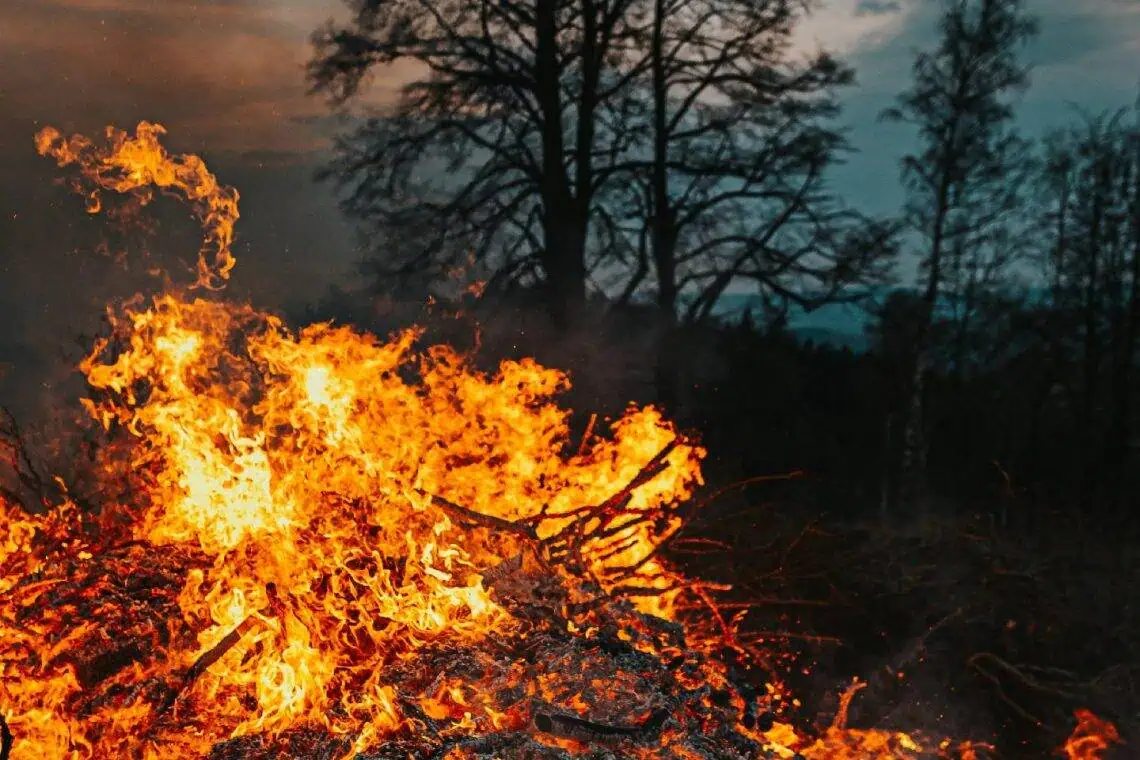

A ferocious 72-hour veld fire tore through South Africa’s Free State province in late October 2025, claiming three lives and incinerating more than 5,000 hectares of prime grazing land near Bethlehem. Sparked amid bone-dry conditions and winds gusting to 60 km/h, the blaze jumped firebreaks, engulfed farms along the R26 highway, and forced frantic evacuations. As firefighters battled towering 20-meter flames for three relentless days, the disaster exposed the escalating wildfire threat in drought-stricken rural heartlands—and why every countryside homeowner must act now to protect their property and loved ones.
Veld fires are an annual menace in the Free State, but this outbreak was exceptionally vicious. The province’s Working on Fire program recorded 5,781 incidents in the 2023 season alone, charring 539,000 hectares nationwide. Yet the Bethlehem inferno stands apart for its human tragedy and lightning-fast spread, fueled by the driest autumn in recorded history—rainfall plunged 60% below average, per the South African Weather Service. El Niño’s lingering grip and careless land-clearing burns turned grasslands into tinderboxes.
Heartbreak and Havoc: The Devastating Toll
Three souls perished in the chaos: a 58-year-old farmer desperately trying to save his cattle, a young farmhand overwhelmed by choking smoke, and an elderly resident trapped by the flames’ speed. Authorities confirmed the deaths on November 2, 2025, as the fire was finally contained after 72 exhausting hours. The economic fallout is equally crushing—preliminary figures from the Free State Department of Agriculture estimate R15 million in losses, including razed crops, snapped fencing, shattered irrigation systems, and hundreds of cattle and sheep reduced to ash. This breadbasket region supplies 40% of the nation’s maize; every scorched hectare ripples through food prices and livelihoods.
Fire ecologist Dr. Lize van den Berg of the University of the Free State warns that climate shifts are supercharging these blazes. “We’re witnessing fires that race faster than response teams can mobilize,” she says. Human factors—uncontrolled winter burns, discarded cigarettes, faulty equipment—ignite the spark, but parched soils and howling winds fan the inferno.
Heroes in the Heat: The Race to Contain the Flames
More than 150 firefighters from Working on Fire, local fire protection associations, and the Bethlehem Fire Department threw everything into the fight. Aerial water bombers dumped thousands of liters from above while ground crews wielded drip torches for strategic backburns. Volunteers formed bucket brigades to shield homes. A fortunate wind shift on day three allowed 90% containment, though two firefighters were hospitalized for smoke inhalation.
Free State Premier MaQueen Letsoalo toured the smoldering ruins, pledging emergency feed, temporary shelters, and infrastructure repairs. “This tragedy demands better firebreaks, early-warning networks, and mandatory training,” she declared. Calls are mounting to toughen the National Veld and Forest Fire Act with harsher fines for reckless burning.
Your Bulletproof Fire-Smart Home Checklist
Turn vulnerability into fortress-level defense. Guidelines from the City of Cape Town Fire & Emergency Services and the Crop Production Fire Protection Association distill decades of hard-won lessons into actionable steps. Follow them religiously, and University of Pretoria research shows your home is 70% less likely to burn completely.
1. Forge a 30-Meter Defensible Zone
Clear every scrap of dead grass, leaves, and branches within 30 meters of any structure. Prune tree limbs overhanging roofs by at least 10 meters. Replace flammable mulch with gravel or stone. Separate barns and sheds by 20 meters minimum. Embers can ride winds for kilometers—your manicured buffer is the firewall that buys evacuation time.
2. Build with Fire in Mind
Swap thatch for metal or tile roofing. Screen vents, eaves, and soffits with 3mm metal mesh to block glowing embers. Install double-glazed windows and metal roller shutters. Fire-rated doors and rooftop sprinkler systems—activated by heat sensors—can douse flames before firefighters arrive. Even modest retrofits dramatically extend survival odds.
3. Harden the Interior for Rapid Exit
Keep curtains, couches, and firewood well away from glass. Store petrol, paint, and chemicals in detached, fireproof sheds. Install interconnected smoke alarms on every floor and a multi-class extinguisher in the kitchen. Draft a 5-minute evacuation plan: assign roles, pack go-bags with passports, meds, and pet carriers, and rehearse twice yearly under timed conditions.
4. Equip and Maintain Firefighting Arsenal
Guarantee 4-meter-wide, obstacle-free access roads for fire engines. Keep 30-meter hoses, portable pumps, and 200-liter water barrels primed. Join your local Fire Protection Association for shared beaters, radios, and drills. Conduct annual electrical inspections—faulty wiring sparks countless house fires that leap to veld.
Harness Satellite Eyes: Track Fires in Real Time
Technology hands you minutes that save everything. South Africa’s Advanced Fire Information System (AFIS), run by the CSIR, delivers free hotspot maps updated every 3–6 hours. Pinpoint active blazes, wind vectors, and burn scars right down to your farm gate. Set email/SMS alerts for coordinates within a 50 km radius.
NASA’s FIRMS platform layers MODIS and VIIRS satellite data for global precision, predicting spread paths hours ahead. Farmers who monitored FIRMS during the Bethlehem blaze relocated tractors and herds in time. Make morning AFIS checks routine from May through October; pair with weather apps tracking relative humidity below 30% and winds above 30 km/h—your personal red-flag warning.
Insurance That Actually Pays When Flames Strike
Standard policies often exclude veld fire; specialized covers bridge the gap. Santam Agriculture Fire Insurance replaces lost livestock, replenishes fodder, and restores grazing capacity, with smallholder premiums from R500 yearly. Add their “Fire on Veld” rider to compensate income shortfalls when pastures lie barren.
Budget Insurance lets you bolt wildfire modules onto home contents plans for R100–R200 monthly, funding hotel stays and rubble clearance. Dial Direct strips theft cover to slash premiums while laser-focusing on fire and storm—perfect for remote farms. Document fire-smart upgrades with photos; insurers routinely slash premiums 10–20% for compliant properties. Post-disaster, many waive excesses for verified veld claims, accelerating payouts.
Engage a broker via Hippo.co.za to tailor coverage to thatched roofs, wind pumps, or isolated access roads. The right policy transforms ruin into recovery.
Forge a Flame-Proof Tomorrow
The Free State inferno stole lives and livelihoods, but it also lit a path forward. Blend defensible space, satellite vigilance, and bulletproof insurance into daily life, and you tilt the odds decisively in your favor. Honor the fallen by building homes that withstand hellfire. Check AFIS at dawn, clear that buffer zone this weekend, review your policy before the next dry spell. The grasslands will ignite again—make sure your legacy endures when they do. Stay fire-smart, stay safe.