

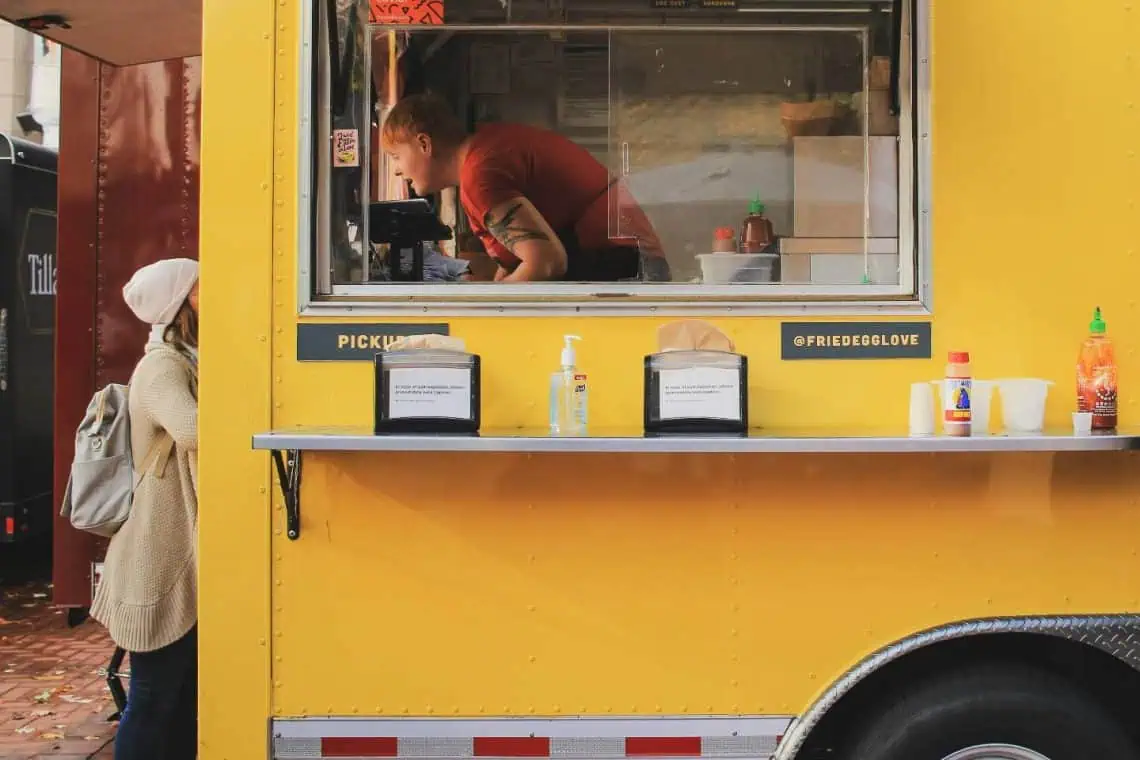

Guilt-free bunny chow and vetkoek from local trucks power MK supporters at high-stakes hearings.
Under Durban’s blazing November sun, the atmosphere outside the High Court pulses with electric energy. As the trial of Duduzile Zuma-Sambudla intensifies, echoing the chaos of the 2021 July unrest, MK Party supporters in green and black converge in unbreakable solidarity. Their powerful chants harmonize with the enticing sizzle from nearby food trucks, transforming a tense legal battle into a vibrant community celebration. These mobile kitchens serve more than meals—they deliver sustainable, ethically sourced versions of Durban’s beloved classics. Bunny chow and vetkoek emerge as emblems of unity, crafted by vendors committed to fair trade, local farming, and eco-friendly practices. With Jacob Zuma standing resolutely by his daughter, these food havens prove that shared plates can strengthen resolve during turbulent times.
The proceedings highlight deep-rooted tensions, but the street scene offers a counterpoint of hope and flavor. Supporters arrive early, forming lines that snake around court precincts, where generators hum and aromas of curry spices waft through the air. Vendors operate with purpose, turning every sale into a statement of empowerment. Biodegradable containers, solar-powered equipment, and ingredients from community cooperatives ensure that indulgence aligns with responsibility. This fusion of politics and cuisine creates a unique rally experience, where every bite supports local economies and sustainable futures.
Trial Tensions Meet Street Feast Energy
The trial commenced on November 10, 2025, charging Duduzile Zuma-Sambudla with incitement to public violence linked to the 2021 riots that resulted in over 350 deaths and billions in damages across KwaZulu-Natal and Gauteng. She entered a not guilty plea, backed by fervent crowds. Jacob Zuma, MK Party leader, appeared with key figures including Secretary General Dr. Bongani Mncwango and National Spokesperson Nhlamulo Ndhlela, amplifying the event into a spectacle of loyalty.
Amid the speeches and slogans, food trucks provide essential sustenance. Positioned strategically on adjacent streets, they offer respite from the heat and intensity. These operations prioritize ethics: spices from fair-trade suppliers, proteins from humane farms, and packaging that decomposes naturally. Supporters refuel here, discussing strategies over steaming portions, forging connections that extend beyond the courtroom. The setup fosters a sense of normalcy and joy, reminding everyone that community thrives even in adversity.
One truck operator shared how daily preparations begin at dawn, sourcing fresh produce from nearby markets run by smallholder farmers. This direct link reduces transport emissions and ensures fair compensation. During peak hours, queues grow, but service remains efficient, with portions sized for sharing. Vegan options cater to diverse preferences, while traditional recipes honor cultural heritage. Proceeds often fund community initiatives, turning commerce into activism.
Bunny Chow Reborn: Sustainable and Spicy
Bunny chow originated in the 1940s as a clever solution for Indian workers facing apartheid-era restrictions. A hollowed bread loaf filled with rich curry, it became an enduring symbol of resilience and innovation. Flavors burst with garlic, ginger, tomatoes, and potent masalas, delivering comfort in every spoonful.
At rally sites, vendors elevate this dish ethically. Local cooperatives supply grass-fed meats and organic vegetables, minimizing environmental impact. Bread comes from artisan bakers using heirloom grains. One popular spot features a bean-based version, slow-cooked with herbs from urban gardens. The result: a meal that satisfies hunger while supporting regenerative agriculture.
Entrepreneurs like those running mobile units from Umlazi emphasize traceability. Every ingredient’s journey is documented, from farm to truck. Solar panels keep ingredients fresh without grid reliance. On opening trial day, hundreds of portions were served, with leftovers donated to shelters. This model inspires youth programs, teaching culinary skills alongside business ethics. Flavors remain authentic—spicy, aromatic, unforgettable—proving sustainability enhances rather than compromises taste.
Variations include chicken curry with free-range poultry or vegetable medleys from seasonal harvests. Add-ons like homemade pickles add tang, crafted from surplus produce to reduce waste. Supporters praise the freshness, noting how these bunnies provide sustained energy for long days of demonstration. The ethical focus resonates, aligning food choices with broader values of justice and equity.
Vetkoek Delights: Crispy, Conscious Comfort
Vetkoek, the deep-fried dough pocket, offers versatile warmth. Filled with curried meats, cheeses, or sweet preserves, it adapts to any palate. Its township evolution made it a staple for quick, hearty eats.
Rally vendors reinvent it responsibly. Oils are recycled into biofuels or soaps through local partnerships. Dough incorporates whole grains from small mills. Fillings feature sustainable sourcing: beef from rotational grazing systems, vegetables from permaculture plots.
One standout operation uses wood from invasive species for frying, aiding ecological restoration. Portions are generous yet mindful, with plant-based alternatives prominent. Supporters gather around, sharing vetkoek while exchanging views on the trial. The crispy exterior yields to fluffy interiors, mirroring the blend of toughness and heart in the crowd.
Innovations include spinach and feta from rooftop farms or mince spiced with homegrown chilies. Each sale contributes to cooperatives, empowering women entrepreneurs. The approach cuts waste dramatically, with composting systems in place. Flavors evoke home-cooked meals, providing emotional sustenance alongside physical.
Ethical Eats Amplify Rally Impact
Durban’s street food sector generates substantial employment, particularly in underserved areas. During political events, vendors leverage visibility to promote change. Black-owned suppliers dominate chains, ensuring economic benefits circulate locally. Compostable utensils and zero-waste policies set standards for the industry.
Events like annual competitions highlight top creations, often from rally regulars. Experts note how food facilitates dialogue in charged atmospheres. Donations from sales support legal defenses and community projects, creating tangible outcomes. This integration of gastronomy and activism sustains momentum, turning passive observation into active participation.
The model extends to training programs, where veterans mentor newcomers in sustainable practices. Healthier oil alternatives and portion controls address wellness. As hearings continue through November 21, these trucks remain fixtures, evolving menus to reflect seasonal availability and feedback.
Top Ethical Trucks for Your Next Visit
Seek these vendors for authentic, responsible rally fuel:
- Nomfundo’s Mobile Kitchen: Township veggie vegan bunny chow. Court parking lots. Try the atchar boost.
- Thandi’s Fry-Up Wagon: Sustainable mince vetkoek. Oil repurposed for community products.
- CaneCutters On Wheels: Fair-trade mutton bunny. Umgeni area for unwind sessions.
- Gogo’s Green Bites: Urban farm spinach vetkoek. Honors traditional recipes.
- Zulu Spice Cruiser: Herb-infused chicken bunny from co-ops. Solar-operated.
- Eco Dough Masters: Whole grain vetkoek with orchard jams. Waste-free.
These operations embody innovation, with rotating specials keeping things fresh. Lines may stretch, but the wait rewards with quality and conscience.
Food Unites in the Heat of Battle
As the trial unfolds, Durban’s ethical food trucks stand as pillars of support. They nourish bodies, spark conversations, and drive positive change. Bunny chow and vetkoek, reimagined sustainably, capture the spirit of endurance. Vendors and supporters alike demonstrate that unity tastes profound. Join the feast at future gatherings—savor the flavors, feel the solidarity, and contribute to a movement flavored with purpose. The energy builds with every shared meal, promising more chapters in this delicious saga of resilience.
The scene extends beyond immediate events, influencing broader food culture. Visitors from afar discover these gems, spreading word of Durban’s ethical innovations. Local economies benefit, with increased demand for responsible sourcing. Youth involvement grows, ensuring traditions evolve sustainably. In every curry scoop and dough bite lies a story of adaptation, much like the city itself.
Future hearings will likely see expanded offerings, perhaps incorporating fusion elements from diverse heritages. Collaborations between trucks could yield festival-like atmospheres. The commitment remains: quality food that aligns with values. This approach not only sustains rallies but elevates street dining to a force for good. Durban proves that even in conflict, communal tables heal and empower.