

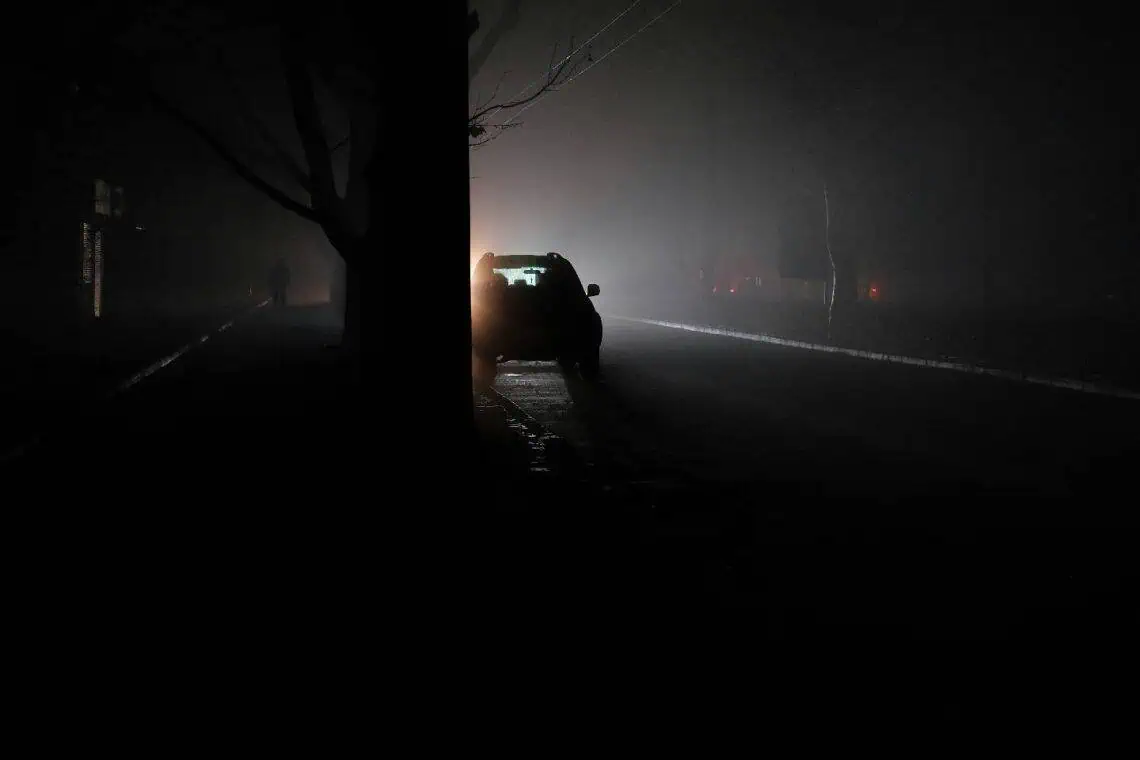

Explosive leaked documents reveal that deliberate insider sabotage, not mere technical glitches, has plunged South Africa into Stage 6 load shedding. As the Government of National Unity’s energy task force convenes urgently today, the nation confronts a deepening crisis where corruption and criminal syndicates threaten the very lights that power daily life. This revelation demands immediate action to safeguard the grid and restore trust in a system battered by years of betrayal.
The midnight announcement of Stage 6 load shedding—up to 12 hours without power each day—struck like a blow to an already weary public. Eskom, South Africa’s state-owned power giant, quickly attributed the chaos to a “technical fault” at the Majuba power station, a colossal coal-fired facility generating about 10% of the country’s electricity. But anonymous whistleblower files, shared with investigative journalists and verified by independent forensics experts, shatter this narrative. They expose a calculated scheme by rogue employees linked to organized crime, turning breakdowns into profitable disasters for those who thrive on the nation’s despair.
Beyond the Glitch: Decoding the Sabotage Evidence
Central to this unfolding scandal is a comprehensive 150-page forensic investigation, anonymously released to News24 and the Global Initiative Against Transnational Organized Crime just days ago. Commissioned by Eskom’s internal anti-corruption team, the audit uncovers patterns of interference at Majuba that scream intent rather than accident. Among the most damning revelations:
- Intentional manipulation of boiler tube seals, triggering chain reactions that sidelined three generating units—mirroring the 2021 Lethabo sabotage where severed stays nearly collapsed a transmission tower, narrowly dodging Stage 6 catastrophe.
- Suspicious unauthorized entries in the SCADA control system’s logs, traced to employee access codes activated during off-peak hours, suggesting coordinated internal betrayal.
- Traces of specialized industrial solvents on vital valves, procured from suppliers tied to criminal networks—reminiscent of the 2023 “black sites” where inferior rock replaced quality coal, accelerating equipment failures and inflating repair costs.
A courageous mid-level engineer, speaking anonymously to evade retaliation, detailed in leaked memos how this operation was allegedly approved by a network of Eskom leaders and opportunistic “tenderpreneurs” who reap fortunes from perpetual crisis fixes. “Neglect is one thing; this is deliberate destruction for profit,” the whistleblower asserted. “Each outage fills coffers while families huddle in the dark.”
Eskom’s dark underbelly has long harbored such threats. In November 2021, former CEO André de Ruyter spotlighted sabotage at Lethabo, where intruders sliced power lines to coal conveyors, teetering the grid on the brink of collapse. De Ruyter, who authored Truth to Power exposing daily R50 million thefts, fled South Africa under death threats after naming four syndicates burrowed within the utility—accusations once labeled hysterical, now vindicated by fresh evidence.
These incidents are not isolated; they form a web of exploitation that has eroded Eskom’s reliability. From oil drain plugs yanked at Camden in 2022 to rocks dumped in place of coal at Majuba the same year, patterns of insider mischief have repeatedly amplified outages. De Ruyter’s warnings of “state capture 2.0,” involving political insiders leaking maintenance schedules for targeted strikes, now echo louder amid this latest breach.
Corruption’s Grip: From State Capture to Unity’s Test
South Africa’s power woes are no recent affliction but a festering legacy of systemic graft. During the Jacob Zuma era, state capture schemes inflated Eskom’s debt from R163 billion to over R400 billion, transforming flagship projects like Medupi and Kusile into symbols of plunder. Billions vanished through Gupta-linked deals and shadowy partnerships with firms like Hitachi and Chancellor House, siphoning funds meant for sustainable energy infrastructure.
The dawn of the Government of National Unity (GNU) after the 2024 elections promised renewal, uniting fractious parties in a coalition to mend the nation’s divides. Electricity Minister Kgosientsho Ramokgopa, heralded as the fix for Eskom’s ills, celebrated 300 uninterrupted days by late 2024—a hard-won respite shattered in February 2025 when Stage 6 roared back, pinned on boiler mishaps at Matimba and Camden. Ramokgopa dismissed sabotage whispers then as baseless, but these leaks compel a painful audit of progress. As political analyst Professor Ntsikelelo Benjamin Breakfast of Nelson Mandela University observes, this crisis “strikes at the GNU’s core, revealing how deeply corruption resists even the best-intentioned alliances.”
The toll on ordinary lives defies quantification. Stage 6 transcends inconvenience; it halts production lines, strains healthcare on generator fumes, and condemns learners to lessons under lantern light. Economists at the South African Reserve Bank estimate a 2.5% GDP erosion in 2025 alone, with micro-enterprises—the economy’s vital pulse—suffering disproportionate hits. In underserved communities like Soweto and Khayelitsha, where supply is chronically unreliable, these blackouts widen chasms of disparity, igniting unrest and fracturing faith in governance.
Yet resilience shines through. Community solar initiatives in townships, backed by GNU incentives, have lit thousands of homes independently. Small business owners, adapting with battery backups and off-grid solutions, exemplify the ingenuity born of adversity. Stories from Cape Town entrepreneurs powering pop-up markets via portable panels underscore a growing self-reliance, turning crisis into catalyst for innovation.
Whispers from Within: Whistleblowers Risk All
Those who expose Eskom’s rot often pay dearly, yet their voices pierce the silence. De Ruyter’s revelations in 2023 detailed how ANC-affiliated actors allegedly fed syndicates intelligence on vulnerabilities. The 2022 Camden arrest— a contractor confessing to sabotaging oil systems for repeated trips—highlighted the peril, though convictions lag far behind discoveries.
This latest whistleblower’s testimony, captured in an audio shared with amaBhungane, rings with urgency: “We rectified the so-called glitch in mere hours, yet they cited storms as cover.” It corroborates the Special Investigating Unit‘s (SIU) dockets, tallying 5,620 conflict-of-interest cases since 2020. “Approvals for substandard components from favored vendors aren’t oversights—they’re payoffs,” the engineer charged.
Defenses once fortified by 2022 SANDF patrols, drone surveillance, and 450 new guards have atrophied under fiscal strains. Infrared tech and AI-monitored perimeters, once De Ruyter’s pride, now rust unused, leaving the grid exposed to lone actors who can unravel the nation’s power with a wrench and a grudge.
Protecting these truth-tellers is paramount. The Protected Disclosures Amendment Act offers legal armor, but implementation falters. Hotlines buzz with tips, yet follow-through wanes, deterring potential allies. Strengthening these safeguards could unlock a torrent of intel, dismantling syndicates from within.
Crisis Summit: GNU’s Make-or-Break Moment
On this crisp November 17, 2025, as sunlight filters over Pretoria, the GNU’s energy task force—led by Ramokgopa alongside DA’s Georgina Phillips and EFF’s Leigh-Ann Mathys—assembles at 10 AM. Leaked agendas from IOL spotlight “validating sabotage allegations” and “fortifying whistleblower safeguards.” Insiders whisper that President Cyril Ramaphosa, returning from G20 engagements, will press for a ruthless cleanse, possibly reactivating the National Key Point Act to remilitarize critical sites.
Doubt tempers hope. Ramaphosa’s 2018 vow to unbundle Eskom’s generation and transmission lingers in bureaucratic purgatory. Nersa’s recent nod to a modest 12.7% tariff rise for 2025/26—well shy of Eskom’s 36% bid—starves upgrades, perpetuating vulnerability. Yet the GNU’s November 3 retreat at the Cradle of Humankind reaffirmed solidarity, vowing deeper collaboration on energy reforms to fuel inclusive growth.
International eyes watch keenly. The G20 Presidency in 2025 amplifies calls for transparency, with partners like the EU and US tying aid to anti-corruption benchmarks. Ramokgopa’s October unveiling of the R2.2 trillion Integrated Resource Plan signals ambition, blending coal stabilization with green leaps to ignite economic revival.
Reclaiming the Grid: Reforms for a Brighter Horizon
Accusations alone won’t illuminate homes; transformation will. Visionaries push to triple renewables—from 6GW solar and wind under the Integrated Resource Plan—to wean off coal’s frailty. Private wheeling, empowering giants like Amazon to route power directly, has ballooned 200% since 2023, a GNU triumph easing grid strain.
Accountability anchors renewal. The SIU’s Eskom Files, akin to the Gupta Leaks, pursue R178 billion recoveries from tainted contracts. Bolstering disclosure laws and hotlines will empower more whistleblowers, while tech infusions—AI predictive maintenance, blockchain-tracked procurement—can seal leaks. As Breakfast urges, “The GNU must evolve beyond rhetoric; true unity demands bold deeds.”
Communities, too, forge paths forward. In rural Eastern Cape, cooperatives harness micro-hydro from rivers, powering schools and clinics off-grid. Urban innovators in Johannesburg craft affordable lithium backups, democratizing energy access. These grassroots surges, amplified by GNU subsidies, hint at a decentralized future where no single failure dooms the whole.
Global lessons abound. Nations like Germany, post-Fukushima, pivoted to Energiewende—blending nuclear phase-out with vast wind farms—slashing outages while curbing emissions. South Africa could adapt such models, courting investments via the Just Energy Transition Partnership for swift, equitable shifts.
Envision a South Africa where power flows steadily, factories hum without pause, and entrepreneurs dream unbound by darkness. This demands vigilance: auditing suppliers, prosecuting enablers, and investing in youth training for green jobs. The sabotage scars run deep, but they also illuminate the path—transparency as the ultimate generator.
In the hush of load-shedding nights, South Africans endure, their resolve unyielding. If these leaks ignite reform, Stage 6 could mark not despair’s peak, but dawn’s first spark. For Eskom and the GNU, the mandate is clear: harness this fury to forge a resilient grid, where power serves all, not the shadows. The nation watches, lanterns in hand, ready to fan the flames of change.