

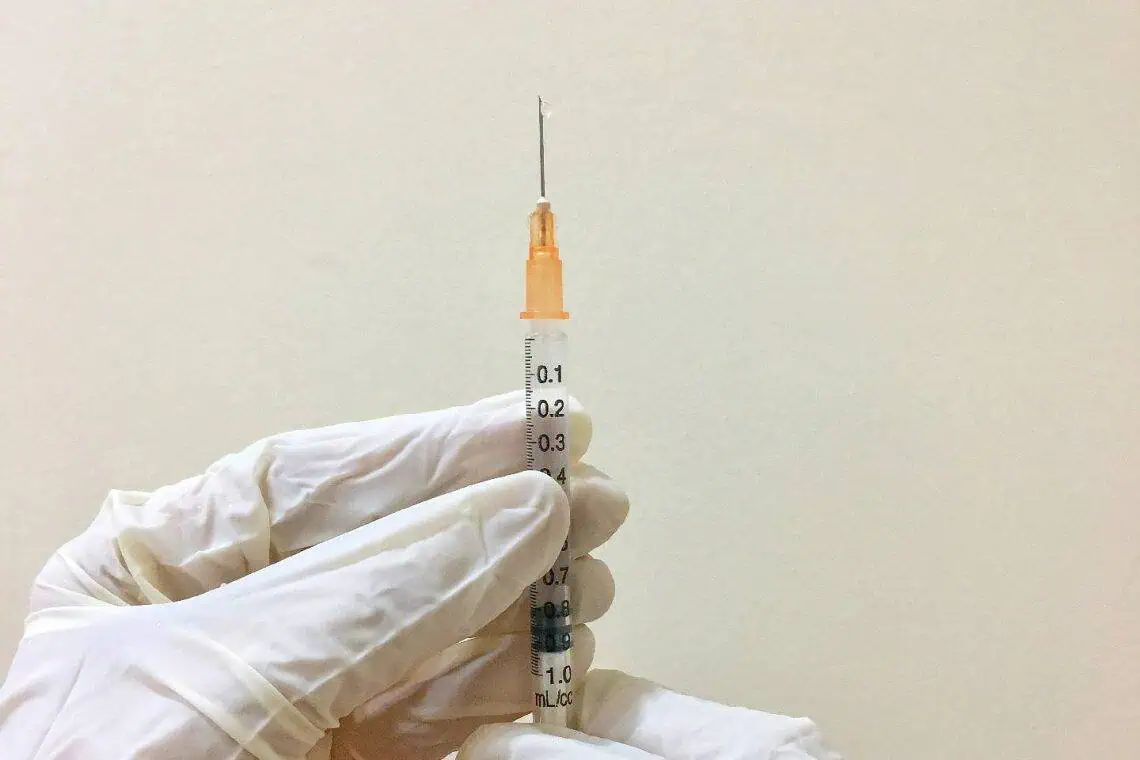

In a chilling reminder of a once-tamed threat, measles outbreaks are surging across the U.S. as vaccination rates plummet to alarming lows. With national MMR coverage dipping below 93% and some communities hovering around 60%, health officials are sounding the alarm ahead of the festive season. The Centers for Disease Control and Prevention (CDC) has confirmed 1,753 cases in 2025 alone, shattering records since the disease was declared eliminated in 2000. This crisis, fueled by vaccine hesitancy and pandemic-era disruptions, threatens to turn holiday gatherings into hotspots for transmission. But hope is on the horizon: emergency vaccination drives are ramping up, offering free jabs and interactive clinic maps to shield vulnerable children from this highly contagious virus.
The Resurgence: Why Measles Is Back with a Vengeance
Measles, a highly infectious respiratory virus, spreads through airborne droplets and can linger in the air for up to two hours. Once exposed, up to 90% of susceptible individuals will contract it, making herd immunity crucial—requiring at least 95% vaccination coverage. Yet, U.S. kindergarten MMR rates have fallen from 95.2% in 2019-2020 to 92.7% in 2023-2024, leaving roughly 280,000 children unprotected. Globally, first-dose coverage stands at just 83%, exacerbating importations from hotspots like Europe and Asia.
The 2025 outbreaks stem from a toxic mix of factors. Misinformation linking vaccines to autism—debunked repeatedly—has eroded trust, while COVID-19 disruptions halted routine immunizations. In close-knit communities with rates as low as 60%, like certain Mennonite groups in Texas, the virus exploits pockets of vulnerability. Tragically, three unvaccinated individuals have died this year, including two children, marking the first U.S. measles fatalities since 2015. As cases climb—1,753 confirmed by mid-November—the nation teeters on losing its elimination status, a public health milestone 25 years in the making.
Hotspots: Mapping the Epicenters of Risk
Outbreaks cluster in state-level hotspots, particularly the Southwest. Texas leads with over 762 cases in counties like Gaines and Lubbock, where under-vaccinated Mennonite communities fueled rapid spread. New Mexico reported 100 cases across nine counties, ending its outbreak in September but not before one death. Oklahoma and Arizona have seen spillover, with 45 outbreaks nationwide linking 87% of cases.
Emerging flares dot the map: Utah, Minnesota, Michigan, Ohio, and South Carolina have declared outbreaks amid declining rates. New York reports clusters in Rockland County, echoing the 2018-2019 surge. Interactive CDC maps reveal these danger zones, with county-level data showing vaccination gaps below 74% in 70 U.S. counties. In Canada, with over 5,200 cases reported across provinces like Ontario and Alberta mirroring this pattern, per capita rates exceed U.S. figures. These hotspots underscore the urgency: without intervention, travel could ignite cross-border chains.
| Hotspot State/Province | Cases (2025) | Vaccination Rate | Key Risk Factor |
| Texas | 762 | ~60% in affected areas | Under-vaccinated communities |
| New Mexico | 100 | Below 95% | Importations & low coverage |
| Canada (Ontario/Alberta) | Over 4,300 combined | Below 95% | Vaccine skepticism |
| New York | Multiple clusters | Low in certain areas | Travel-linked |
Holiday Hazards: Why Festive Gatherings Amplify the Threat to Kids
The upcoming holiday season—Thanksgiving, Christmas, and New Year’s—poses a unique peril. Large family reunions, travel spikes, and indoor mingling create perfect storm conditions for measles transmission. Unlike seasonal flu, measles thrives year-round but exploits crowded settings where unvaccinated children mingle with carriers. Infants under 12 months, too young for full vaccination, face the gravest risks: one in five unvaccinated cases requires hospitalization, with complications like pneumonia (most common killer), encephalitis, and even death striking hardest in those under 5.
Pregnant women risk miscarriage or preterm birth, while the virus erodes immunity, leaving kids susceptible to secondary infections. With 92% of 2025 cases in unvaccinated or unknown-status individuals—mostly children—festive cheer could turn tragic. Experts warn of surges from international travel; 152 importations from 47 countries have seeded U.S. outbreaks this year. As families jet off or host multi-generational feasts, unvaccinated little ones become unwitting vectors, potentially sparking nationwide chains.
Health Department’s Lifeline: The Emergency Vaccination Blitz
In response, health departments nationwide are launching a pre-holiday “jab drive” to boost immunity. Texas and New Mexico held pop-up clinics, vaccinating tens of thousands and nearly doubling MMR doses from 2024 levels. Illinois deployed 14 mobile units targeting low-coverage ZIP codes, while South Carolina’s Mobile Health Unit offers free MMR at libraries and community centers. The CDC coordinates with states, providing funding and technical aid for contact tracing and early infant dosing (6-11 months in high-risk areas).
Philadelphia’s free clinics serve all ages, no appointment needed, emphasizing two-dose protection: 93% effective after one, 97% after two. Denver Health and partners like the Public Health Institute ensure no-cost access, accepting Medicaid and turning away none for inability to pay. Federally, HHS Secretary Robert F. Kennedy Jr. has directed CDC support, underscoring MMR’s role in public health.
Free Clinic Maps: Your Guide to Protection
To streamline access, interactive maps from CDC, Johns Hopkins’ U.S. Measles Tracker, and state sites pinpoint locations. Search “measles vaccine near me” on Vaccines.gov or state portals like NMDOH‘s helpline (1-833-796-8773) for appointments. Key spots include:
- South Carolina: Landrum Library, Nov. 17, 1-4 p.m. (free MMR).
- Illinois: Mobile clinics via CIMPAR in low-rate areas.
- Philadelphia: Board of Health sites, walk-ins welcome.
- Texas: DSHS pop-ups in Gaines/Lubbock counties.
These efforts, bolstered by community leaders in hesitant groups, aim to vaccinate 100,000+ before December 31, averting a holiday catastrophe.
Safeguarding Tomorrow: Long-Term Strategies Beyond the Jab Drive
Beyond immediate drives, reversing this trend demands sustained action. Schools must enforce mandates, countering exemptions that rose to 3.3% nationally. Public campaigns, like CDC’s “Be Ready for Measles” toolkit, debunk myths with evidence: MMR is safe, with mild side effects in 5-15% and no autism link. Investing in health infrastructure—underfunded post-COVID—will aid surveillance and equity in underserved areas.
Globally, WHO/UNICEF push for 95% coverage, but U.S. leadership in funding stockpiles could curb importations. Parents: Check records via state registries; adults born post-1957 need two doses if unproven immune. For travel, vaccinate 2+ weeks early.
Measles’ return is a wake-up call, but with swift jabs and vigilance, we can reclaim protection. This holiday, prioritize immunity—your family’s gift of health endures.