

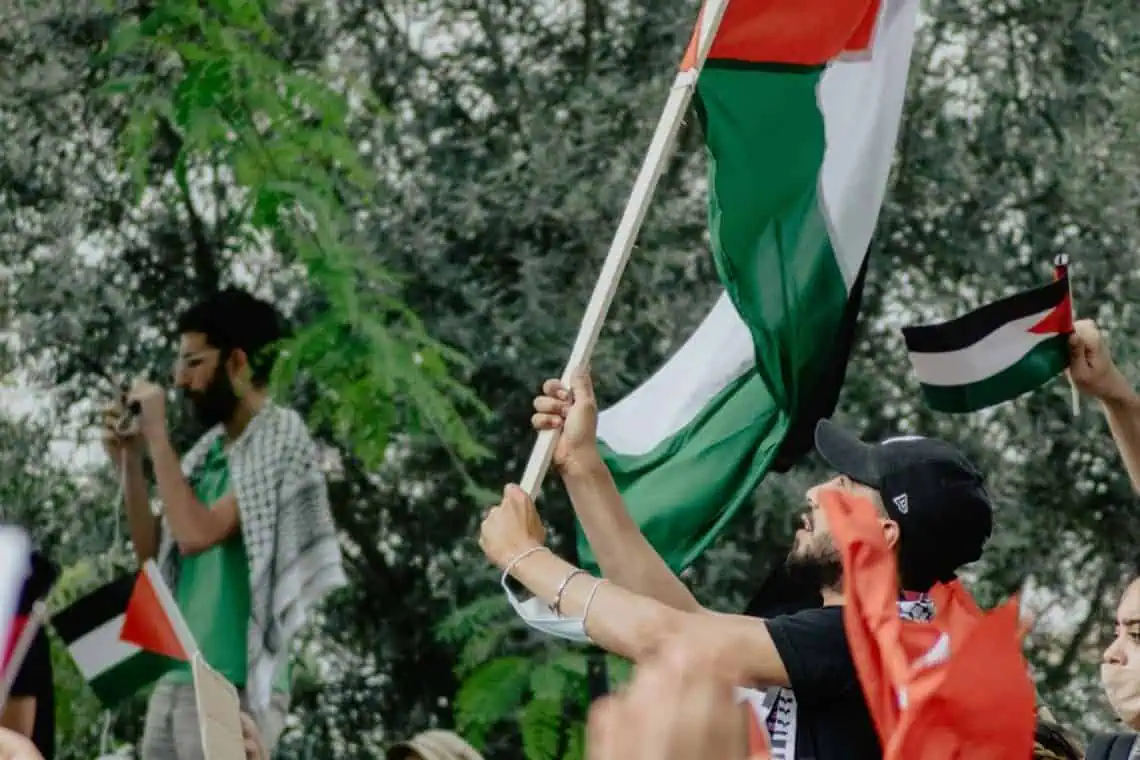

In the sun-baked streets of Tunis, a familiar chant rises like a desert wind: “The people want the fall of the regime.” It’s a phrase etched into the collective memory of the Arab Spring, now revived in 2025 as thousands clad in black march against President Kais Saied’s tightening grip on power. Dressed in mourning for a democracy they say is dying, protesters accuse Saied of transforming Tunisia into an “open-air prison” through judicial witch hunts and the silencing of civil society. This escalation isn’t isolated—it’s a cross-continental siren, resonating deeply in South Africa’s townships where youth-led unrest simmers over similar betrayals of post-liberation promises. As North African defiance mirrors Mzansi’s own struggles, these movements offer stark lessons: the fire of youth can either forge renewal or consume the fragile gains of hard-won freedoms. In an era where young voices amplify through digital networks and street barricades, these protests signal a broader awakening across the continent, where demands for equity and accountability echo from the Mediterranean shores to the southern plains.
From Revolution to Repression: Tunisia’s Democratic Backslide
Tunisia’s journey from beacon of the Arab Spring to battleground of authoritarian resurgence is a cautionary tale of squandered hope. In 2011, the self-immolation of street vendor Mohamed Bouazizi ignited a wave that toppled dictator Zine El Abidine Ben Ali, birthing a constitution hailed as the Arab world’s most progressive. Fast-forward to 2025, and President Kais Saied—elected in 2019 on anti-corruption pledges—has dismantled that legacy. Since his 2021 “self-coup,” suspending parliament and ruling by decree, Saied has consolidated power, dismissing the judiciary, arresting opposition figures, and muzzling the press.
The spark for November’s mass protests? A cascade of injustices: the five-year sentence handed to critic Ahmed Souab, the jailing of Ennahdha leader Rached Ghannouchi on politically motivated charges, and the suspension of 14 NGOs amid asset freezes and arbitrary detentions. On November 22, over 2,000 demonstrators flooded Tunis’s Habib Bourguiba Avenue, waving red ribbons and whistling defiance. “Enough repression,” they cried, uniting journalists, doctors, environmental activists from polluted Gabes, and even former Saied allies turned critics. Amnesty International warns of a “critical level” crackdown, with over 50 arrests since 2022 targeting lawyers, activists, and politicians. These actions have not only stifled voices but also eroded the institutional safeguards that once promised a brighter future, leaving citizens grappling with a sense of betrayal that fuels daily resistance.
Economic woes amplify the fury. Tunisia grapples with 16% unemployment, soaring inflation at around 6%, and a debt crisis that has IMF loans stalled over austerity fears. In Gabes, a phosphate hub, toxic emissions have poisoned residents, fueling environmental protests that Saied’s forces have brutally quashed. As one protester’s father, Ezzedine Hazgui, lamented, “He has turned the country into an open prison. We will never give up.” This isn’t mere dissent; it’s a desperate bid to reclaim a revolution that once promised dignity for all. The interplay of political repression and economic hardship creates a vicious cycle, where jobless youth, burdened by rising prices and limited opportunities, see no path forward except through collective action. Protesters in Tunis have taken to sharing stories of personal loss—families divided by arrests, communities fractured by fear—transforming individual grievances into a unified call for systemic overhaul.
Beyond the immediate triggers, the protests reveal deeper structural failures. Tunisia’s youth, comprising over 30% of the population, face barriers that extend far beyond unemployment statistics. Access to quality education has deteriorated under funding cuts, while vocational training programs remain under-resourced and disconnected from market needs. In coastal cities like Sfax and Sousse, where tourism once offered hope, seasonal jobs have dwindled amid global slowdowns, pushing many toward informal economies or perilous migration routes across the Mediterranean. These realities underscore how Saied’s policies, while framed as anti-corruption measures, have inadvertently—or deliberately—exacerbated inequalities, turning the promise of 2011 into a distant memory.
Mzansi’s Townships: Youth Echoes of Unmet Dreams
Half a world away, in the dusty alleys of Soweto and Khayelitsha, South Africa’s youth channel a parallel rage. Born from the ashes of apartheid, the “Rainbow Nation” was meant to deliver equality, yet three decades later, townships remain cauldrons of inequality. Youth unemployment hovers at 46%, fueling a “rebellion of the poor” that has seen protests surge sevenfold since 2010. From #FeesMustFall in 2015 to 2025’s campus shutdowns at the University of Cape Town over fee blocks and housing shortages, young South Africans are not just marching—they’re dismantling the myth of post-1994 progress. This persistent activism highlights a generation unwilling to inherit the failures of their elders, using art, music, and social media to weave narratives of resilience and radical change.
June 16, 2025—Youth Day, commemorating the 1976 Soweto Uprising—saw eruptions in Potchefstroom, KwaZulu-Natal, and Mpumalanga. Community members blockaded roads, demanding jobs, clean water, and an end to cadre deployment corruption. The Democratic Alliance’s youth marches amplified calls for dignity, while in Ekurhuleni, demonstrators decried state capture scandals. These aren’t sporadic riots; they’re a “ring of fire,” as former COSATU leader Zwelinzima Vavi warned, encircling cities with demands for accountability. The day’s events, blending commemoration with confrontation, served as a poignant reminder of how historical wounds continue to fester, with young protesters drawing direct lines from the Afrikaans imposition of 1976 to today’s exclusionary policies.
Gen Z, armed with TikTok and WhatsApp, coordinates flash mobs and sit-ins, turning hashtags into action. Movements like #AmINext against gender-based violence in townships blend economic grievances with social justice, echoing the Black Consciousness ethos of Steve Biko. Yet, like Tunisia, repression looms: police brutality in 2021’s Zuma riots killed 350, a grim reminder that the state’s monopoly on violence persists. As one Soweto activist posted on X, “We’re not leaders of tomorrow—we’re the storm today.” This digital-native approach has democratized protest, allowing remote townships to synchronize with urban centers, but it also exposes organizers to surveillance and doxxing, adding layers of risk to their defiance.
The township protests of 2025 extend beyond Youth Day, manifesting in ongoing service delivery campaigns that expose the chasm between policy promises and lived realities. In Alexandra and Diepsloot, residents have occupied municipal buildings to protest erratic electricity and sewage overflows, issues compounded by climate change-induced droughts. Youth leaders, often emerging from community arts collectives or student unions, emphasize intersectional demands—linking unemployment to racial inequities, gender violence, and environmental racism. These efforts, while fragmented, build a tapestry of resistance that pressures local councils and national leaders alike, fostering a culture of accountability that could reshape South Africa’s social contract.
Threads of Solidarity: Parallels Across the Maghreb and Mzansi
What binds these distant cries? A shared betrayal by leaders who rose on populist waves only to entrench elite power. Saied’s 2021 power grab mirrors the ANC’s post-apartheid drift into cronyism, where promises of land reform and jobs evaporated into corruption scandals. Both nations boast young populations—70% under 30 in sub-Saharan Africa, per the UN—disillusioned by globalization’s hollow fruits: smartphones that amplify voices but not opportunities. This demographic bulge, if harnessed, could drive innovation; left untapped, it breeds volatility, as seen in the synchronized outrage from Tunis to Johannesburg.
Protest repertoires converge too. Tunisia’s black-clad marches evoke Soweto’s nonviolent solidarity actions, while social media fuels both: X threads from Tunis inspired #EndSARS in Nigeria, rippling to South Africa’s #ZumaMustFall. Economic triggers align—Gabes’ toxic pollution parallels township water crises—yet political exclusion unites them. As analyst Peter Alexander notes, South Africa’s “municipal revolts” risk a Tunisia-style tipping point if unaddressed. Cross-ideological unity, rare but potent, shines in both: Tunis saw Islamists and secularists march together; Mzansi blends EFF radicals with DA moderates. Such alliances, forged in the crucible of shared suffering, hint at the potential for pan-African solidarity, where lessons from one struggle inform tactics in another.
Moreover, the role of women in these movements deserves spotlighting. In Tunisia, feminist NGOs like the suspended Association of Democratic Women have mobilized against both repression and patriarchal norms, while in South Africa, #AmINext campaigns led by young women intersect with economic protests, demanding holistic justice. This gendered lens reveals how authoritarianism disproportionately harms marginalized groups, yet also empowers them as vanguards of change. International observers, from the African Union to global rights networks, have noted these parallels, urging cross-border exchanges to bolster resilience against state backlash.
Lessons from the Ashes: Strategies for Sustainable Change
Tunisia’s turmoil offers Mzansi a mirror: repression breeds resilience, but without strategy, it risks co-optation. Saied’s crackdown—jailing 37 in a 2025 trial with sentences up to 74 years—highlights the peril of fragmented opposition. South African youth, drawing from #FeesMustFall’s partial wins on decolonized curricula, must build enduring coalitions beyond the streets. Experts like Danielle Resnick urge alliances with trade unions and NGOs to sustain pressure, turning viral outrage into policy wins. These coalitions could include mentorship programs pairing experienced activists with Gen Z innovators, ensuring tactical evolution while preserving historical memory.
Digital savvy is a double-edged sword: it mobilizes but invites surveillance, as seen in Kenya’s Gen Z crackdowns. Both movements must prioritize inclusivity—amplifying women’s voices, as in Tunisia’s feminist NGOs and South Africa’s #AmINext—to avoid elite capture. International solidarity, from AU youth envoys to G20 forums, could amplify demands, but local ownership is key. For instance, virtual summits linking Tunisian and South African organizers have already exchanged strategies on evading digital censorship, fostering a networked resistance that transcends borders.
Looking deeper, sustainable change demands economic reimagining. In Tunisia, proposals for cooperative models in agriculture and tech startups could empower youth-led enterprises, while South Africa’s township economies—vibrant with informal traders and creatives—need formalization without stifling innovation. Policy advocates call for universal basic income pilots and green job initiatives, leveraging the continent’s renewable energy potential to create millions of roles. Education reform, emphasizing digital literacy and entrepreneurship, emerges as a cornerstone, equipping youth not just to protest but to build alternatives.
Ultimately, these protests underscore a continental truth: Africa’s youth aren’t waiting for permission. From Tunis to township barricades, they’re rewriting narratives of despair into demands for justice. The question isn’t if change comes—it’s whether leaders heed the wind before it becomes a storm. By investing in youth councils, transparent governance, and equitable resource distribution, policymakers can transform potential flashpoints into engines of progress, honoring the sacrifices of past uprisings while securing a future of shared prosperity.
A United Front for Africa’s Future
As 2025 unfolds, the echoes between Tunisia and South Africa grow louder, a reminder that isolation breeds defeat. Saied’s Tunisia, once the Arab Spring’s triumph, now warns of democratic fragility; Mzansi’s townships, heirs to Mandela’s dream, affirm that sustained resistance can reclaim it. For Africa’s youth—innovators in a globalized world—the path forward lies in cross-border learning: harnessing tech for transparency, forging unlikely alliances, and demanding not just survival, but sovereignty over their destinies. Initiatives like the African Youth Charter’s digital platforms already facilitate this exchange, connecting organizers from Cairo to Cape Town in real-time strategy sessions.
Yet, challenges persist. Climate vulnerabilities exacerbate economic strains, with droughts in South Africa mirroring water scarcity in North African oases, both igniting youth-led eco-protests. Mental health tolls from prolonged activism—trauma from clashes, burnout from endless campaigns—call for integrated support, blending therapy with organizing. Success stories, like Tunisia’s underground art collectives smuggling messages via graffiti or South Africa’s community gardens feeding protesters, illustrate grassroots ingenuity. As global eyes turn to these movements, the youth’s clarion call resonates: in unity, they don’t just protest—they prophesy a more equitable dawn, where Africa’s potential finally blooms for all.