

In the bustling heart of Gauteng, where rapid urban growth strains outdated systems, the City of Ekurhuleni faces a relentless sewage crisis reminiscent of the devastating spills in 2023. Raw sewage surges into streets, backyards, and homes, transforming daily routines into perilous health threats. As seasonal rains intensify, communities from Boksburg to Thembisa unite in frustration, calling for a vital R50 million intervention from the neighboring City of Johannesburg (CoJ). This goes beyond mere infrastructure woes—it’s a escalating public health emergency, fueled by downpours, with on-the-ground accounts revealing widespread desperation and looming disease outbreaks.
Lingering Shadows of 2023: An Unresolved Catastrophe
The sewage disasters of 2023 in Ekurhuleni were not fleeting events but the grim harvest of long-term neglect. In July 2023, Acting Public Protector Kholeka Gcaleka released a damning report on the municipality’s shortcomings in Norkem Park, Kempton Park, where residents had endured sewage woes since 2001. She highlighted “administrative deficiencies” resulting in dilapidated pipes that overflowed catastrophically during rainfall. Promised upgrades were slated for completion by June 2025, yet as of late 2025, the problems endure and have proliferated across more areas.
By 2024 and into 2025, the cycle of failures intensified. In February 2025, heavy rains triggered widespread flooding in Gauteng, including Thembisa, where untreated sewage inundated Enixiweni Flats and Welamlambo Section, despite ongoing resident complaints. Democratic Alliance councillors spotlighted the unchecked spills, linking them to broader provincial deluges that exacerbated vulnerabilities. July 2025 brought fresh horror in Boksburg, where effluent erupted from bursting manholes, prompting Freedom Front Plus leaders to condemn the metro’s “unacceptable” delays. Earlier, in July 2024, a major blockage in Springs CBD halted traffic and unleashed waste into roadways, closing vital intersections.
October 2025 marked a toxic escalation at Boksburg Lake, where a burst sewer pipe unleashed a chemical-tainted deluge, blending household waste with unmonitored industrial discharges, as uncovered by a departmental investigation. These episodes underscore a systemic breakdown: Ekurhuleni’s aging sewer grid, processing 850 million liters daily, collapses under routine loads. The metro’s Operation Siyakhuculula Manje-Namhlanje, initiated in October 2023 in Katlehong’s Nhlapo Section to clear blockages and promote responsible usage, has yielded incremental gains but struggles against overwhelming decay.
Compounding the issue, non-revenue water losses—clean water vanishing into leaks—dipped marginally from 29.84% in 2024 to 28.94% in 2025, yet persistent breaches continue to dilute and contaminate sewer lines. This fragile progress, driven by initiatives like the War on Leaks, which installed 2,175 meters in early 2025, highlights the urgent need for accelerated repairs to avert further spills.
Frontline Fury: Stories from the Sewage Soaked Streets
Descending into affected neighborhoods, the assault on the senses is immediate and unforgiving. In Daveyton and Mayfield Extension, families like that of Adelaide Mazibuko describe backyards morphing into fetid marshes since incomplete drainage repairs in 2022. “We’ve endured this nightmare for years,” she shared with local outlets in late 2022—a cry that resonates louder in 2025 amid renewed overflows. Hlengiwe Sibanda resorts to sealing windows against the pervasive odor, but the sludge invades relentlessly, spawning mosquito swarms and rendering children’s play spaces hazardous.
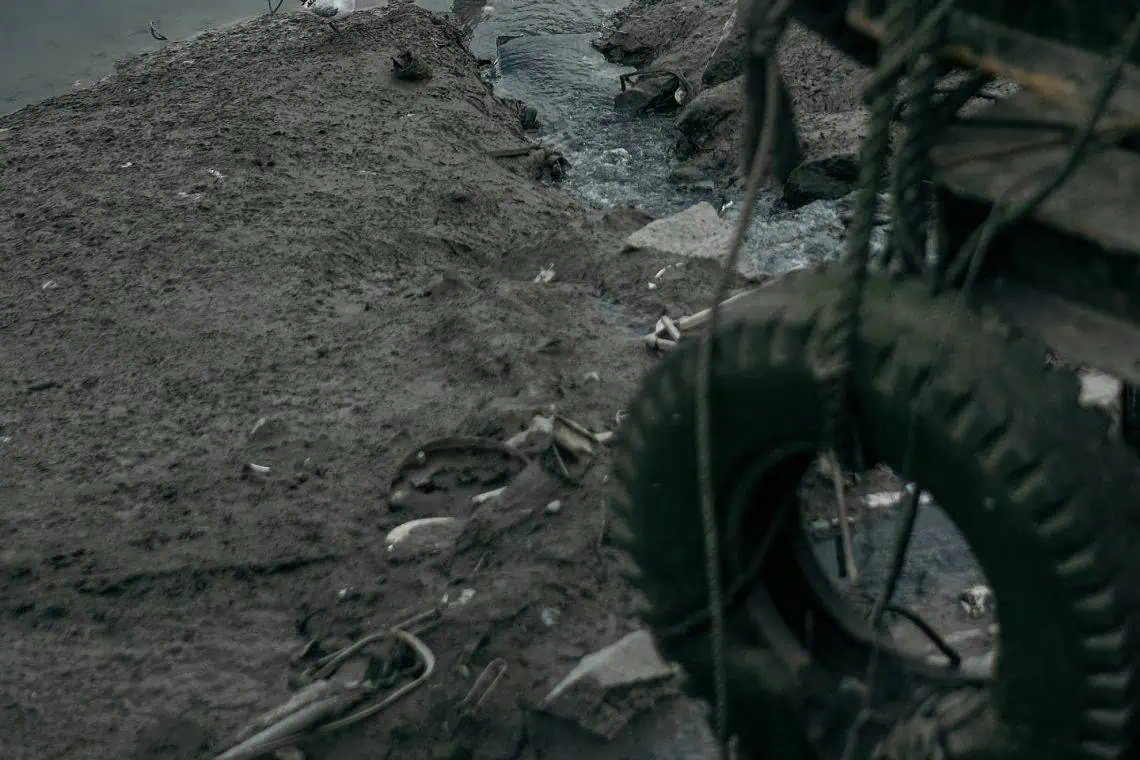
Villa Liza Extension 4 in Boksburg exemplifies the raw terror: viscous sewage slithers along township lanes, stagnating in craters and infiltrating dwellings. A May 2023 image from Gallo Images immortalized the dread—muddy torrents encroaching on thresholds. By 2025, Freedom Front Plus documented identical devastation, with manhole eruptions flooding estates. “The metro has utterly failed us,” they asserted, noting how illicit industrial chemicals now poison these domestic floods, elevating risks from mere filth to outright toxicity.
Thembisa’s plight mirrors this chaos. February 2025 oversight tours by DA members exposed raw effluent swamping apartment blocks, met with ignored pleas from dwellers. Protests flared across Tembisa, Daveyton, Tsakane, Vosloorus, KwaThema, Katlehong, and Duduza—townships where 40% water leakage amplifies the turmoil. In Benoni, dams edge toward environmental ruin, with AfriForum pressing for remedies against leaks nurturing invasive water hyacinths along the N12 highway.
These narratives, pieced from resident outcries and elected officials’ inspections, expose a vicious loop: sluggish interventions, shattered vows, and officials deflecting to “community habits” like flushing non-biodegradables. Mayor Nkosindiphile Xhakaza’s April 2024 assertion that locals bear partial fault sidesteps the Public Protector’s indictment—core rot in pipes and planning lies at the heart.
Storm Surge: How Rains Ignite the Sewage Inferno
Gauteng’s wet season, cresting November through March, escalates spills into full-blown disasters. Torrential rains overwhelm fractured conduits, inducing “stormwater ingress”—flow spikes up to 400% in comparable setups, according to Water Research Commission analyses. In Ekurhuleni, infrastructure ignored since 2001 allows precipitation to commingle with waste, ballooning overflows.
The 2023 Public Protector exposé nailed this vulnerability: derelict networks ensnare runoff, disgorging contaminants into neighborhoods. In 2025, Boksburg Lake’s plight deepened with monsoon swells, ferrying toxins downstream. Rand Water‘s June-July 2024 maintenance halts compounded low pressures, indirectly taxing sewers further.
With November 2025 showers underway, specialists forecast recurrences. The Vaal River, ingesting Ekurhuleni’s refuse, absorbs roughly 150 megaliters of untreated sewage daily, as per advocacy alerts. Dilution wanes, pathogens concentrate in pooled deluges that breach homes, heightening exposure in low-lying zones.
Silent Killer in the Sludge: Health Hazards Unleashed
Beyond the grotesque visuals, sewage inundations harbor deadly perils. South Africa’s wastewater strife, with nearly half of facilities faltering per 2022 audits, fosters E. coli concentrations dwarfing safety limits. Toddlers frolic in tainted pools, courting cholera; adults trudge through surges, courting dermal afflictions and worse.
Prime dangers encompass gut-wrenching ailments: hepatitis A and E, salmonella, dysentery, typhoid, and cholera, as outlined by sanitation specialists. The 2023 cholera surge, spawned by crippled networks, felled dozens nationwide, with over 1,000 suspected cases and 47 fatalities. In Ekurhuleni, spills akin to those in Newclare imperil 19 million Vaal-reliant souls to these pathogens.
Monsoon months magnify menaces—floods vaporize microbes, contaminating atmospheres and fixtures. Ecosystems fracture: fouled streams decimate aquatic life, upend food chains, and erode tourism in gems like Umhlanga, where discharges devastate enterprises. A 2024 Jàmbá analysis tied these calamities to fiscal blows, from shuttered shores to illness-induced work absences.
Greenpeace Africa brands it “environmental inequity”—disregard scourges marginalized enclaves most, stripping safe recreation. Closures plague schools, echoing Northern Cape’s Barkley West, while economies stagger in the mire.
R50M Beacon: Turning to CoJ for Relief
Exasperated by Ekurhuleni’s inertia, voices amplify toward the City of Johannesburg, bound by shared Vaal tributaries and ERWAT ties—Ekurhuleni’s wastewater entity, where CoJ holds a 1.5% stake. The R50 million appeal targets sewer reinforcements, pump enhancements, and hyacinth clearances, inspired by CoJ’s February 2025 inner-city surge, resolving 69 sewer faults in six weeks.
Campaigners posit CoJ’s prowess could propel Ekurhuleni’s 50-year blueprint, merging facilities and curbing discharges. The sum echoes Emfuleni’s 2025 pipeline revamps (90% done). Absent this infusion, the wheel grinds on: eruptions, unrest, rhetoric.
Blueprint for Revival: Ending the Endless Floods
Restoration craves resolve beyond funding. Ekurhuleni’s War on Leaks fitted 2,175 meters in 2025, curbing deficits, but DA-backed expansions in telemetry and crisis hubs promise proactive safeguards. Operation Siyakhuculula’s awareness drives—eschewing manhole misuse—demand amplification for lasting impact.
On a national scale, the 2023 Blue Drop Report mandates universal safety protocols; Gauteng’s Department of Water and Sanitation could mandate bids for 44 pump stations. Ventures like Calcamite‘s pollution barriers bridge affordability gaps. Citizens champion collaboration: alert via 0860 543 000, partake in sweeps, enforce transparency.
Yet deeper strategies beckon. Integrating smart sensors for real-time leak detection could slash response times by 50%, per global benchmarks. Community-led audits, empowering locals to monitor pipes, foster ownership and swift fixes. Partnerships with tech innovators might deploy AI-driven predictive maintenance, forestalling bursts before they brew.
Financially, reallocating budgets from non-essentials to sewer overhauls—mirroring CoJ’s R22.5 million waste fleet infusion—could unlock efficiencies. Grants from the Green Fund for eco-friendly upgrades, like bio-filters reducing chemical reliance, align sustainability with solvency.
Education evolves too: school programs teaching “flushable limits” via interactive apps engage youth, curbing blockages at source. Corporate tie-ups, such as industry-sponsored cleanups, blend CSR with crisis combat, yielding dual wins.
Ekurhuleni’s sewage chronicle warns: pristine waters are fundamental rights, not privileges. As 2025’s rains rage, the R50M summons to CoJ transcends begging—it’s an imperative. Heed it now, lest the deluges devour more than avenues, eroding lives and legacies alike.