

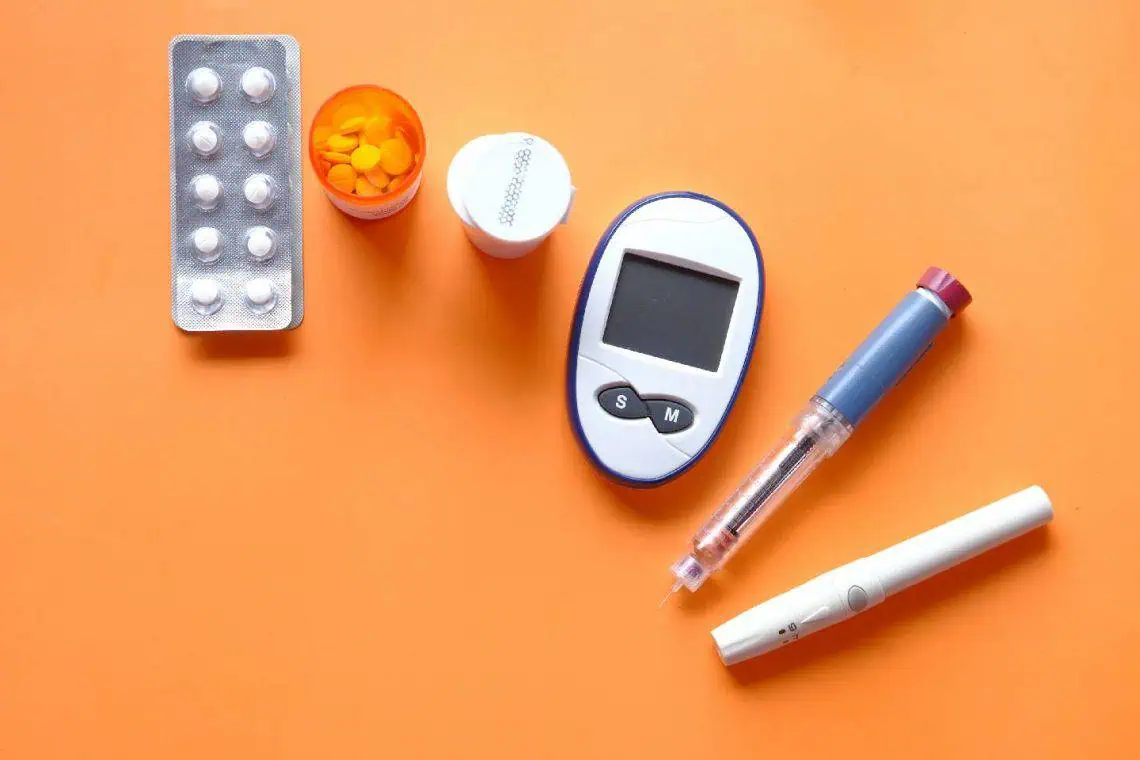

Fewer AIDS deaths amid surging diabetes and heart risks—experts outline solutions.
South Africa’s health landscape is undergoing a profound transformation. For decades, HIV/AIDS cast a long shadow over the nation, claiming hundreds of thousands of lives annually. Today, groundbreaking advancements in antiretroviral therapy (ART) have turned the tide, slashing AIDS-related deaths and extending life expectancy for millions. Yet, as one crisis ebbs, another surges: non-communicable diseases (NCDs) like diabetes and cardiovascular conditions are exploding, fueled by urbanization, poor diets, and sedentary lifestyles. Recent 2024-2025 data from Statistics South Africa (Stats SA) and UNAIDS paints a stark picture of this dual reality—a victory against infectious diseases overshadowed by a looming NCD epidemic. This article delves into the numbers, explores the causes, and uncovers expert strategies to reclaim health in the Rainbow Nation.
The Triumph Over HIV: A Story of Resilience and Innovation
South Africa bears the world’s largest HIV burden, with approximately 8 million people living with the virus as of mid-2024. Despite this, the nation has achieved remarkable progress. According to the latest Thembisa model estimates released in March 2025, HIV-related deaths dropped to around 53,000 in the 2023/2024 period—down from 68,406 in 2022, as reported by Stats SA. This plunge, a nearly 22% reduction in just two years, is largely attributable to widespread ART access. By 2024, 78% of those living with HIV—about 6.2 million individuals—were on treatment, pushing viral suppression rates toward the UNAIDS 95-95-95 targets.
Dr. Noluthando Nematswerani, Chief Clinical Officer at Discovery Health Medical Scheme, attributes this decline to “sustained adherence to ART, which has played a crucial role in achieving and maintaining viral load suppression.” Data from Discovery’s 13-year analysis shows HIV mortality rates among its members halved (down 47%) by 2024, with undetectable viral loads rendering mortality risks comparable to HIV-negative individuals. Innovations like twice-yearly lenacapavir injections, approved in South Africa in October 2025 and set for rollout in early 2026 with Global Fund support, promise near-100% prevention efficacy, further bolstering these gains. Life expectancy, battered by the epidemic’s peak in the early 2000s, has rebounded from a low of 53.6 years in 2005 to 66.5 years in 2024, with the COVID-19 dip in 2020-2021 now fully reversed.
These strides reflect a national commitment: the National Strategic Plan for HIV, TB, and STIs 2023-2028 emphasizes testing, treatment, and prevention, closing gender gaps where 5.2 million women versus 2.6 million men live with HIV. Yet, challenges persist—54,000 adults initiated treatment in 2023/2024 with severely compromised immune systems (CD4 below 200 cells/mm³), underscoring the need for earlier interventions. Moreover, around 714,000 people restarted ART after interruptions, with 326,000 having low CD4 counts, highlighting the importance of retention in care. The integration of services, such as combining HIV care with tuberculosis screening, has also contributed to these successes, reducing co-morbidities that once amplified mortality rates.
Community-led initiatives, like peer support groups and mobile testing units, have played a pivotal role in reaching underserved populations. For instance, programs in KwaZulu-Natal have increased testing uptake by 30% among young women, a demographic disproportionately affected by new infections. As South Africa approaches the UNAIDS targets, sustaining these efforts requires continued investment in supply chains for ART and innovative tools like lenacapavir to maintain momentum.
The Silent Surge: NCDs Take Center Stage
As HIV fades from the forefront, NCDs are claiming the spotlight—and lives. Stats SA’s 2024 Mid-Year Population Estimates reveal that while overall crude death rates stabilized at 8.7 per 1,000 persons, AIDS-related deaths accounted for 12.5% of total mortality as COVID-19 waned, but the real alarm bells ring for lifestyle-driven killers. Non-communicable diseases now account for over 70% of global deaths, and in South Africa, they’ve surged, with NCDs causing 57.4% of deaths nationwide. Diabetes has emerged as the second-leading cause of death after tuberculosis—and the top killer among women.
Diabetes alone affects nearly 4.6 million South Africans based on 2019 estimates from the International Diabetes Federation, projected to climb as obesity rates hit 41% among women and 11% among men, with overall adult overweight and obesity at 68% for women and 31% for men per the 2016 South African Demographic and Health Survey—figures that have likely worsened by 2024. Over 52% of cases remain undiagnosed, leading to devastating complications like kidney failure, blindness, and amputations. Cardiovascular diseases (CVDs), including heart attacks and strokes, compound the crisis: hypertension prevalence stands at 35% among adults over 15, per the South African Demographic Health Survey, while coronary heart disease and stroke rates have escalated since 1990, contributing to 38.3% of NCD deaths in sub-Saharan Africa.
The World Health Organization (WHO) African Region reports 54 million adults with diabetes in 2022, over half undiagnosed and untreated, straining healthcare systems already burdened by HIV integration efforts. In South Africa, NCDs like diabetes and heart disease now rival communicable threats, with alcohol, tobacco, inactivity, and poor diets as key culprits. Urbanization exacerbates this: processed foods and desk-bound jobs have shifted diets from nutrient-rich staples to sugar-laden imports, inflating obesity and insulin resistance risks—even among those on long-term ART for HIV. Recent studies indicate that NCDs account for 32% of deaths among HIV-registered members in private schemes, up from 23% in 2012, mirroring national trends.
Childhood obesity adds to the concern, with 13% of children under five overweight, setting the stage for a generational epidemic. Mental health conditions, often intertwined with NCDs, further complicate the picture, as depression rates stand at 30.4% among people living with HIV, exacerbating lifestyle risks. The economic toll is immense, with NCDs projected to cost South Africa billions in healthcare and lost productivity by 2030 if unchecked.
Why Now? Unpacking the Drivers of SA’s NCD Boom
The epidemiological transition—from infectious to chronic diseases—mirrors global patterns but hits South Africa hard due to inequality. Post-apartheid urbanization drew millions to cities, where affordable, calorie-dense foods prevail over fresh produce. The Indigo Wellness Index dubbed SA the “unhealthiest country” in 2019, citing rampant obesity and glucose spikes—a label that persists amid rising fast-food consumption. HIV survivors, now aging into NCD-vulnerable middle age, face compounded risks: ART prolongs life but can elevate diabetes odds through metabolic side effects, with studies showing a 5.4% diabetes prevalence among people living with HIV.
Socioeconomic factors amplify vulnerability. Low-income township residents, twice as likely to contract HIV historically, now grapple with food insecurity—68% of households per 2023 studies—leading to reliance on cheap, unhealthy options. Gender disparities persist: women, bearing HIV’s brunt, also shoulder higher diabetes rates (24% obese vs. 23% for men) and face barriers like childcare duties limiting exercise. Climate change and economic pressures further erode access to exercise spaces and nutritious meals, per UNICEF‘s 2023 youth health baseline, with urban heat islands discouraging outdoor activity and rising food prices favoring processed goods.
Cultural shifts play a role too: traditional diets rich in vegetables and lean proteins have given way to Western-style eating, with sugary beverages consumption dropping only 29% post-2018 Health Promotion Levy—insufficient against the tide. Genetic predispositions, combined with environmental toxins like air pollution in industrial areas, heighten CVD risks, while stress from unemployment—peaking at 32% in 2024—triggers cortisol-driven weight gain. These intersecting factors demand a holistic response beyond individual blame.
Expert Fixes: Charting a Path to Prevention and Control
Health experts urge a multi-pronged assault on NCDs, blending policy, community action, and personal empowerment. The WHO’s Package of Essential Noncommunicable (PEN) disease interventions, rolled out via South Africa’s 2020-2025 NCD Strategic Plan, prioritizes screening and management at primary care levels. SEMDSA guidelines recommend statins as first-line for lipid control in diabetics, alongside lifestyle tweaks, targeting blood glucose under 7% HbA1c, BP below 140/90 mmHg, and LDL cholesterol under 1.8 mmol/L.
Prevention starts with diet: experts like those from the Diabetes Alliance advocate swapping sugary sodas for water or unsweetened rooibos, emphasizing fiber-rich foods like beans, morogo (wild spinach), and whole-grain pap. The 2018 Health Promotion Levy on sugar-sweetened beverages has curbed intake by 29%, but broader reforms—like salt reduction in staples and subsidies for veggies—are needed, per the NCD Alliance. Physical activity? Aim for 150 minutes weekly: brisk walks in local parks or community soccer leagues can slash diabetes risk by 58%, says the Centers for Disease Control and Prevention (CDC).
Screening is key. The National Department of Health eyes WHO’s STEPwise approach for household glucose testing, while integrating NCD checks into HIV clinics could catch 80% of public-sector diabetics early. For high-risk groups—obese adults over 45, those with family history—annual HbA1c tests are non-negotiable. Mental health support addresses stress-eating, vital as depression doubles diabetes odds. Community health workers (CHWs), trained in lifestyle counseling, could extend reach, potentially averting 10 million NCD deaths globally by 2025 per WHO estimates.
Innovations shine: SGLT2 inhibitors and GLP-1 agonists, per 2018 ADA-EASD consensus, not only control glucose but cut cardiovascular events by 14-20% in trials. South Africa’s PEN-Plus strategy targets severe NCDs at referral facilities, while UNICEF’s “My Body, My Health” campaign empowers youth with nutrition education, reaching over 500,000 schoolchildren since 2023. Experts stress equity: mobile clinics for townships and tax incentives for healthy imports could bridge gaps, with modeling showing a 20% reduction in diabetes incidence through subsidized produce.
Workplace programs, like corporate wellness challenges promoting standing desks and fruit stipends, have shown promise in pilot studies, reducing BMI by 1.2 points in participants. Public-private partnerships, such as those with food retailers for healthier labeling, align incentives to foster systemic change.
A Unified Front: Integrating HIV and NCD Responses
The silver lining? Synergies abound. HIV clinics, serving 6.2 million, are ideal hubs for NCD screening—measuring BMI, BP, and cholesterol during ART visits. This “one-stop” model, piloted in KwaZulu-Natal, has boosted early diabetes detection by 40%. As Dr. Nematswerani notes, longer HIV lifespans demand holistic care: “Addressing NCDs is essential to sustaining HIV gains.”
Government commitments, like the 2023 electronic health records rollout, promise better tracking. Yet, funding shortages and health worker burnout loom—NCDs already claim 30% of disability-adjusted life years (DALYs). International partners, including WHO and PEPFAR, advocate scaling PrEP-like prevention for NCDs: community health workers trained in lifestyle coaching could avert millions in costs, with integrated models projected to save R10 billion annually by 2030.
Task-shifting to CHWs for routine screenings has freed up physicians for complex cases, increasing capacity by 25% in pilot districts. Digital tools, like app-based adherence reminders for both ART and statin regimens, enhance compliance, particularly in rural areas with limited transport.
Conclusion: Seizing the Moment for a Healthier Tomorrow
South Africa’s health narrative is one of contrasts: HIV deaths plunging through scientific grit, yet lifestyle diseases surging as modern pitfalls take hold. The 2024-2025 stats are a clarion call—celebrate the 53,000 lives saved from AIDS annually, but confront the 4.6 million diabetics teetering on undiagnosed edges. With expert-backed fixes—from WHO’s PEN protocols to homegrown dietary shifts—the nation can pivot. By weaving prevention into daily life, fortifying policies, and leveraging HIV infrastructure, South Africa isn’t just managing crises; it’s building resilience. The wake-up call has sounded—now, it’s time to rise, ensuring every citizen thrives in a balanced, vibrant future.