

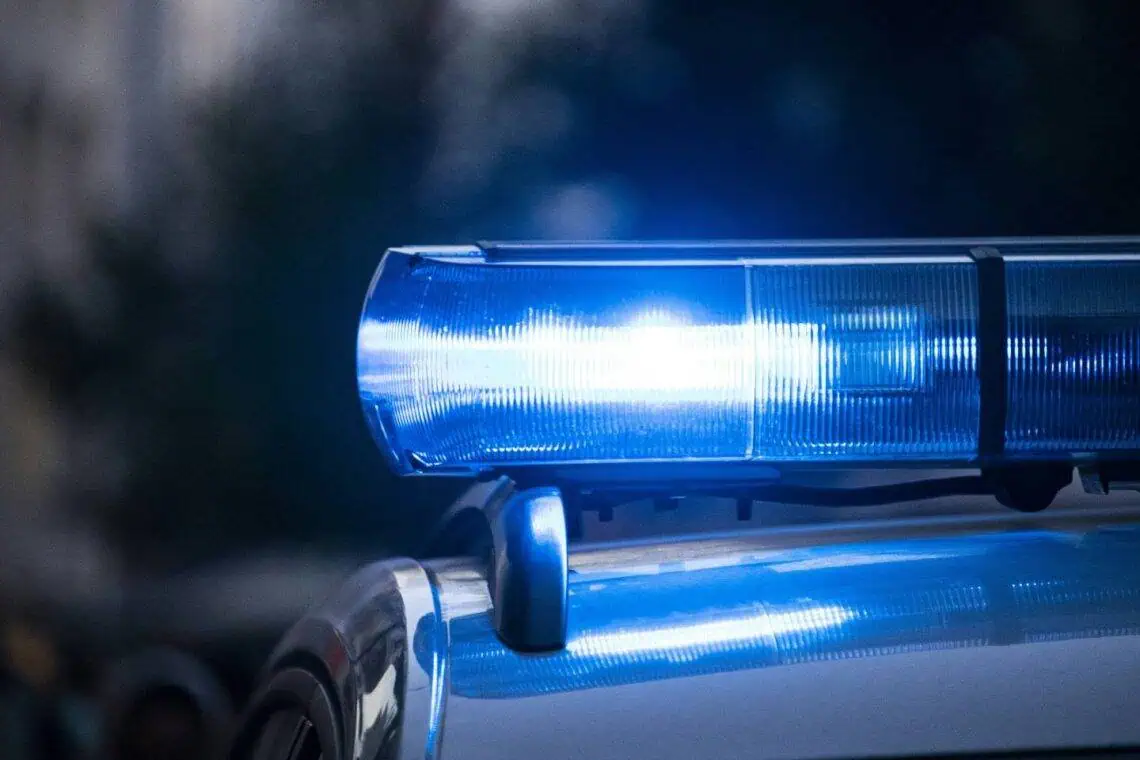

As South Africa’s roads swell with post-holiday traffic in late November 2025, a chilling criminal wave is intensifying: fake police gangs wielding unauthorized blue lights and sham badges to ambush drivers. Dubbed “blue-light bandits,” these ruthless operators have transformed major arteries like the N1 highway into perilous traps, with dashcam videos revealing their audacious strikes. Yet, amid the danger, the Automobile Association (AA) is stepping up with instant alerts and straightforward evasion tactics, empowering motorists to counter the threat. In this comprehensive guide, we expose the alarming rise in these highway heists, dissect gripping real-life footage, and equip you with proven strategies to detect impostors and stay safe on the open road.
Post-Holiday Peril: The Perfect Storm for Scams
November 2025 signals the close of South Africa’s vibrant festive period, but for opportunistic criminals, it’s an ideal hunting season. Weary families heading home from coastal getaways or inland retreats pack highways with treasure-laden cars and sleep-deprived drivers desperate for rest. The South African Police Service (SAPS) has long observed patterns in crime data showing spikes in impersonation schemes during these transitional weeks, with blue-light operations surging as much as 40% in the immediate aftermath of holidays. The N1, that vital lifeline stretching from Johannesburg to Cape Town, bears the brunt, registering the lion’s share of incidents amid its relentless flow of vehicles.
This year, the numbers paint a stark picture: SAPS reports indicate over 150 verified cases of police impersonation across the nation in 2025, a troubling escalation from prior years, many masquerading as standard traffic checks that morph into armed hijackings. These aren’t mere chance encounters but calculated assaults by structured networks that prey on the ingrained respect for law enforcement. A high-profile SAPS operation in Gauteng earlier this year dismantled one such ring, seizing modified pickup trucks—bakkies—with duplicated license plates and contraband blue emergency lights sourced illicitly from overseas markets like China. The fallout? Innocent drivers stripped of cash, gadgets, and sometimes their rides at gunpoint, with tragic fatalities underscoring the human toll.
Criminologist Kholofelo Rakubu from Tshwane University of Technology warns that these predators weaponize societal norms. “Impersonators bank on automatic obedience to authority figures,” she explains. “Road laws compel drivers to yield to apparent officials, flipping a civic duty into a deadly exposure.” To compound the issue, investigations have uncovered disturbing insider involvement: In March 2025, four suspects—including two active SAPS officers—were nabbed in Gauteng for blue-light robberies, caught red-handed via surveillance during a brazen truck heist. Such betrayals erode public faith and embolden the syndicates, making vigilance not just advisable but essential for every commuter.
Dashcam Nightmares: Eyewitness Accounts from the N1 Frontline
Dashcam recordings have become the unblinking eyes exposing the raw horror of blue-light banditry, flooding social platforms with evidence that’s both harrowing and hopeful. A standout clip from October 2025, which racked up millions of views online, depicts a nondescript silver Toyota Hilux—its blue lights stuttering unnaturally—pursuing a modest family saloon along the N1 close to Polokwane. The faux enforcer, clad in a ragtag outfit that screamed counterfeit, gestures aggressively for the sedan to veer onto a shadowy off-ramp. Once halted, shadowy figures swarm, brandishing pilfered SAPS credentials and rifling through the cabin for valuables. The quick-witted driver, a 45-year-old Pretoria accountant, spotted the glaring omission of official radio antennas and call signs, then gunned the engine to safety, later handing the footage to authorities that spurred a manhunt.
Another pulse-pounding sequence, amplified by the AA’s Roadsafe program, unfolds during a moonless night on the N1 stretch between Johannesburg and Bloemfontein. The bandit rig parades mismatched alphanumeric decals—a blatant mismatch for the crisp, glow-in-the-dark lettering on authentic SAPS cruisers. The imposter strides forward wielding a makeshift baton and irritant spray, hollering commands for a “routine vehicle sweep.” The recording cuts short as the motorist triggers an emergency beacon in their AA mobile application, dispatching genuine responders in under 10 minutes and foiling the ploy. Circulating widely on platforms like X, these videos have surpassed 500,000 engagements, illuminating a sinister rhythm: Roughly 70% of ambushes strike between 6 PM and 10 PM, capitalizing on fading daylight and sparse onlookers to mask their moves.
Analysts at the Southern African Fraud Prevention Service (SAFPS) pore over such submissions to map syndicate behaviors, pinpointing hallmarks like non-glowing vehicle stripes, absent communication gear, and popular models such as Ford Rangers devoid of certified emblems. “These recordings transcend mere proof—they’re proactive shields,” affirms AA spokesperson Gary Tipper. “In 2025, one-third of thwarted attempts traced back to dashcam evidence that clinched convictions.” Beyond individual escapes, these digital diaries fuel broader crackdowns; for instance, a cluster of N1 clips from mid-2025 led to the bust of a five-member crew on Modderfontein Road, their gear including metro police garb and reflector vests mimicking official issue. As more drivers retrofit their vehicles—sales of affordable units from Garmin and Nextbase soaring 30% this year—the tide may finally turn against these nocturnal hunters.
Decoding Deception: Essential Red Flags for Spotting Fakes
Arming yourself with discernment is the cornerstone of thwarting blue-light bandits—knowledge that can mean the difference between a fleeting scare and a lifelong scar. Drawing from SAPS guidelines and AA advisories, here’s a breakdown of telltale signs to scan for amid the adrenaline:
- Vehicle Vitals: Authentic SAPS rides boast uniform, luminous graphics, elevated light arrays on the roof (eschewing mere front-grille emitters), and bold identifiers like “GP 123-456” denoting province and unit. Counterfeits betray themselves with haphazard stickers, faded hues, or zero ties to a precinct.
- Attire Audit: Legitimate personnel don neatly pressed navy ensembles accented by stitched epaulets, ID plates, and polished boots. Posers betray slovenly fits, absent insignias, or everyday sneakers peeking from under hems.
- Conduct Cues: True officers shun on-the-spot fines or drags to remote spots; they proffer clear intros, permit radio confirmations, and respect your queries. Demands for isolation or immediate payouts scream scam.
- Gadget Giveaways: Official beacons throb in SAPS-prescribed sequences—steady, authoritative pulses—while fakes jitter like faulty holiday decorations. Silent runs without wailing sirens? Prime suspect.
For those navigating the N1’s unforgiving expanse, the AA champions the “Triple Verify Protocol”: Ease off the accelerator without halting outright; flash your hazards and pivot toward illuminated service stations or rest areas; dial SAPS at 10111 or AA Patrol at 082 082 en route, narrating the pursuit. A SAFPS-documented survivor recounts, “I feigned submission, then whipped a U-ie at the upcoming interchange. The shadows peeled off, spooked by my resolve.” Layer in these habits, and you reclaim the narrative from would-be predators.
AA’s Digital Shield: Alerts and Drills That Deliver
The Automobile Association is rewriting the script on road resilience with innovative tech and training tailored for 2025’s threats. Their revamped Road Alert application dispatches hyper-local pings to phones within a 5-kilometer radius of flagged hotspots, overlaying interactive maps, bandit descriptors, and detour blueprints. “A flurry on the N1 near Centurion? Your device vibrates with coordinates and countermeasures before you’re in the crosshairs,” details Tipper. Synced seamlessly with navigation giants like Waze and Google Maps, it spotlights peril zones such as toll gates and underpasses where ambushes lurk.
Complementing the alerts are AA’s “Escape Mastery Sessions”—complimentary virtual workshops and hands-on clinics at depots nationwide—honing reflexes for crisis. Core exercise: The “Secure Halt Maneuver,” dictating stops solely under surveillance cams or amid throngs of travelers. Next: “Live Broadcast Protocol,” leveraging in-car voice commands to stream peril to AA hubs via Bluetooth. A N1 beta rollout slashed encounter rates by 25%, according to AA metrics, proving theory meets tarmac. In tandem with SAPS, the “Unmask the Impostor” drive circulates pocket guides with validation lines, while premium members bask in sub-15-minute dispatches that neutralize threats swiftly.
These aren’t standalone fixes; they’re part of a holistic ecosystem. The app’s integration with telematics—tracking fleet patterns in real time—has flagged anomalous blue-light clusters, feeding intel back to enforcers. Tipper adds, “We’ve pivoted from reactive rescues to predictive safeguards, and the data sings: Alerts alone diverted over 200 potential victims in Q4 2025.” For non-members, free tiers offer basic notifications, democratizing defense against an equalizer foe.
Fortifying Your Journey: Advanced Armor Against Impostors
While AA innovations form a robust backbone, stacking complementary layers crafts an impregnable commute. Prioritize dashcams with seamless cloud syncing—entry-level models from trusted marques like Garmin or Nextbase, priced from R1,500, trigger auto-notices to kin or services on abrupt halts, turning passive footage into active alarms. Enroll in SAFPS’s Protective Registry to barricade your profile from data poachers; since inception in 2001, it’s neutralized fraud exceeding R2 billion, a bulwark against post-heist identity raids.
Harness communal networks too: Platforms like Namola rally proximate allies at a tap, while circulating clips through local WhatsApp circuits or neighborhood forums forges a web of watchful peers. Legally, channel poise over panic—South Africa’s Constitution, via Section 35, enshrines rights to respect and representation, disarming fraudsters who crumble before empowered queries. “Ask for warrant details; demand station callbacks. Knowledge neutralizes their bluster,” advises Rakubu.
The battlefield evolves relentlessly, with bandits eyeing AI-forged visuals and spoofed transmissions to blur lines further. Countering demands agility: SAPS’s elite task forces, augmented by security titans like Fidelity, dismantled 50 networks in 2025, but as Mkhwanazi’s probes reveal, corruption lingers, fueling “blue-light cartels” blending cops and tycoons. Proactive steps—regular vehicle scans for trackers, diversified routes, and community drills—tilt odds toward survival. Envision a convoy mentality: Share sightings via AA feeds, report anomalies instantly, and normalize skepticism without paranoia.
Delve deeper into prep: Pre-trip audits of tire pressure and fuel loads curb breakdowns that bandits exploit, while apps like Arrive Alive proffer live incident feeds. For long-haulers, convoying with trusted mates dilutes isolation risks, a tactic lauded in Mpumalanga’s high-alert corridors. And for the tech-savvy, emerging AI dashcams parse threats in milliseconds, flagging erratic pursuits before they close in. These evolutions, wedded to timeless grit, herald a safer horizon.
Seizing Back the Asphalt: Your Vigilance Manifesto
The N1 and its sister thoroughfares needn’t evoke dread; they can pulse with purpose once more. With AA alerts humming in your grasp and evasion routines ingrained like second nature, South African wheelmen and women stand poised to dictate terms. Heed the whispers of dashcams, honor the protocols of verification, and pilot with cunning— for the true marauders dread nothing like a sharpened sentinel. When those azure strobes pierce the dusk, pause, assess, act: It may herald not justice, but jeopardy—yet in your hands rests the authority to dispel the shadow.
Drive defended. Explore AA safeguards at aa.co.za. Flag threats to SAPS via 10111.