

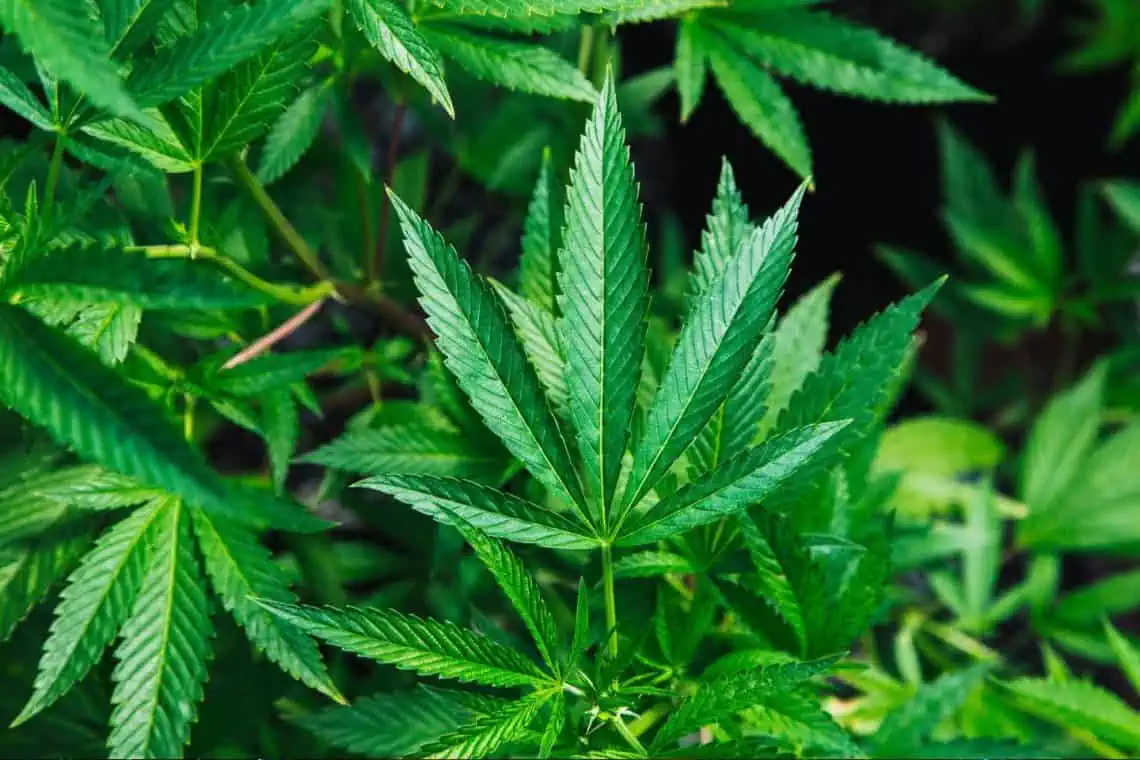

In the sun-baked expanses of the Karoo, where resilient shrubs dot the landscape, a quiet revolution is taking root. South Africa’s recent hemp law activations are transforming this arid region into a cradle of innovation, fueling an eco-textile surge that’s set to redefine sustainable fashion by 2026. With President Cyril Ramaphosa’s 2025 State of the Nation Address declaring the nation a leader in commercial hemp production, the stage is set for industrial crops to bridge farms and fashion runways. This isn’t just about growing plants—it’s about weaving a greener future, where Karoo growers supply durable, earth-friendly fabrics hitting global shelves.
Unlocking the Green Door: South Africa’s Hemp Law Evolution
South Africa’s journey with hemp has been a tale of prohibition and promise. Banned in the 1970s due to its botanical ties to cannabis, industrial hemp—defined as Cannabis sativa L. with THC levels under 0.2%—found legal footing in 2017 for medicinal uses. The pivotal shift came in October 2021 when the Department of Agriculture, Land Reform and Rural Development (DALRRD) amended the Plant Improvement Act, classifying low-THC hemp as an agricultural crop. This allowed permits for cultivation, storage, and transport, marking the end of decades-long restrictions.
By 2025, momentum accelerated. Over 1,110 hemp cultivation permits were issued, with the Agricultural Research Council (ARC) developing two indigenous varieties for the 2025 planting season. However, turbulence struck in March when the Department of Health banned hemp-infused foods and cosmetics, sparking industry outcry for contradicting Ramaphosa’s vision. Public pressure led to a swift U-turn, withdrawing the regulations and reaffirming commitment to harmonized policies. The National Cannabis Master Plan, targeting full implementation by March 2026, promises a regulated framework for commercial trade, projecting an industry worth R406 billion and 130,000 jobs by year’s end.
These “new plant rules” lower barriers for farmers, maintaining the THC threshold at 0.2% to ensure compliance with international standards, while accommodating South Africa’s intense sunlight through acclimatized varieties. Permits now cost R714 annually, with streamlined applications fostering small-scale growers. This legal buzz isn’t mere policy—it’s a catalyst for economic revival in rural areas like the Karoo, where unemployment hovers above 30%. The DALRRD’s R124 million commission to the ARC supports breeding for fiber and medicinal uses, enhancing seed systems and disease surveillance to bolster yields and quality.
Hemp’s Superpowers: Why This Crop is Fashion’s New MVP
What makes hemp the darling of eco-textiles? This fast-growing annual outshines cotton in sustainability metrics. It requires half the water—often none in rainy seasons—and zero pesticides, thanks to its natural weed-suppressing roots. Per hectare, hemp yields four times more fiber than forests for paper and enriches soil by sequestering 10-15 tons of CO2 annually. In textiles, hemp fabric is a breathable, antimicrobial powerhouse: 30% stronger than cotton, UV-resistant, and softening with every wash.
Blended with organic cotton or linen, it creates wrinkle-resistant, moisture-wicking materials ideal for South Africa’s variable climate. Unlike synthetic blends that shed microplastics, hemp biodegrades fully, aligning with circular economy principles. Globally, the hemp clothing market is exploding—from $3.8 billion in 2023 to a projected $15.9 billion by 2032 at a 17.3% CAGR. In 2026, expect hemp to dominate trends like earthy weaves and smart blends, as forecasted by textile innovators like Tollegno 1900‘s wool-hemp hybrids.
Hemp’s environmental edge extends beyond the field. Its deep root system prevents soil erosion, a critical benefit in the erosion-prone Karoo, while improving water retention and nutrient cycling. Farmers rotating hemp with traditional crops like wheat or maize report up to 20% higher subsequent yields due to enhanced soil health. Moreover, hemp’s versatility allows for multi-use harvesting: fiber for textiles from the stalk, seeds for nutrition, and hurds for biocomposites or animal bedding. This holistic approach minimizes waste and maximizes economic returns, making it a cornerstone for regenerative agriculture in South Africa.
From Karoo Soil to Couture Shelves: The Farm-to-Fashion Pipeline
The Karoo, spanning the Western and Eastern Cape, is hemp’s natural proving ground. Its semi-arid soils and long daylight hours mimic ideal hemp conditions: well-drained loam with 3.5% organic matter and pH 6-7.5. Smallholders like those at Rapula Farming, in partnership with Hemporium, have pioneered trials yielding high-fiber stalks for textiles. By 2025, ARC-backed seed multiplication ensures acclimatized varieties, boosting yields to 10-15 tons per hectare.
This farm-to-fashion chain is shortening supply lines. Hemp stalks are retted—naturally fermented—to extract bast fibers, then spun into yarn at facilities like those of Hemp Fortex, which supplies GOTS-certified blends to brands worldwide. In South Africa, importers like PhotoGanic in Cape Town curate local hemp-organic cotton knits, reducing carbon footprints from transoceanic shipping. The result? Versatile fabrics for everything from casual tees to upholstery, with minimal processing waste.
Regenerative practices amplify the impact: hemp rotation restores degraded Karoo lands, combating desertification. Farmers report 20% soil fertility gains post-harvest, turning marginal farms into viable enterprises. As the African Continental Free Trade Area opens borders, Karoo hemp could export to eco-hungry markets in Europe and Asia, with the African hemp sector projected to reach $2.4 billion by 2027.
The pipeline’s efficiency is further enhanced by emerging technologies. Blockchain platforms like TextileGenesis provide end-to-end traceability, verifying ethical sourcing from Karoo fields to fashion houses. Local cooperatives are investing in small-scale decortication machines, allowing on-farm fiber processing that cuts logistics costs by 30%. Collaborations between DALRRD and private firms are scaling up retting facilities in the Karoo, ensuring faster turnaround times and fresher fibers for spinners. This integrated approach not only boosts profitability for smallholders but also positions South African hemp as a premium, story-rich material in global markets.
Spotlight on SA Innovators: Brands Weaving the Future
South African designers are at the vanguard, blending hemp with cultural flair. HempLove, a Cape Town-based, women-led slow fashion label, crafts timeless pieces from ethically sourced hemp blends. Their mission: transparency from seed to stitch, empowering African artisans and slashing environmental footprints. “Hemp isn’t just fabric—it’s a statement in sustainability,” says co-founder Loré, whose collections feature natural dyes and zero-waste patterns.
Hemporium, Africa’s largest hemp wholesaler, imports premium fibers while championing local cultivation. Their apparel line—from breathable shirts to rugged bags—prioritizes durability, softening over time for heirloom-quality wear. Meanwhile, Sitting Pretty‘s Emma Longden pairs Karoo mohair knits with hemp tops, creating insulation-perfect layers for crisp winters. These brands vet suppliers rigorously, ensuring GOTS certification and fair trade.
Emerging talents like Khala Design use hemp-organic cotton for reversible jackets, echoing Chitenge prints in eco-denim alternatives. Daisie Jo‘s hand-embroidered hemp garments, born in Karoo studios, celebrate imperfections with zero overproduction. As 2026 approaches, collaborations with global giants like Patagonia—already blending hemp for workwear—could elevate SA labels to international acclaim.
These innovators are not just creating clothes; they’re building ecosystems. HempLove partners with rural women’s cooperatives for dyeing, using indigenous botanicals like rooibos for vibrant, chemical-free hues. Hemporium’s “Hemp for Homes” initiative trains artisans in fiber processing, creating jobs in underserved communities. Sitting Pretty’s Emma Longden sources directly from Karoo farmers, offering premium pricing that incentivizes sustainable practices. Khala Design’s reversible pieces embody versatility, reducing consumer waste by doubling wardrobe utility. Daisie Jo’s seasonless collections challenge fast-fashion cycles, encouraging mindful buying. Together, they form a tapestry of resilience, turning hemp’s threads into threads of community empowerment.
2026 Horizon: Hemp’s Role in Global Eco-Fashion Trends
Looking to 2026, hemp textiles are poised for explosive growth. Forecasts predict blended sustainable fabrics surging 40% year-over-year, with hemp leading in durability and low-impact production. Trends lean toward “earthy” palettes: rough-hewn weaves, smart e-textiles with embedded sensors, and upcycled hemp-rPET hybrids for activewear. In SA, the Hemp Certification Scheme ensures quality propagation, while dtic’s export missions target AfCFTA markets.
Challenges persist—high initial processing costs and stigma linger—but solutions abound. Blockchain traceability via platforms like TextileGenesis verifies origins, building consumer trust. Subsidies for smallholders and R&D investments, like DALRRD’s R124 million ARC commission, will scale production. By 2026, hemp could capture 10% of SA’s textile market, driving rural empowerment and cutting the industry’s 10% global carbon share.
Beyond trends, hemp’s integration into smart fashion opens new frontiers. Embedded sensors in hemp blends monitor UV exposure or posture, appealing to health-conscious consumers. Upcycling initiatives transform textile waste into hemp-reinforced composites for accessories, closing the loop on circular design. In South Africa, dtic-backed hubs in the Karoo are prototyping these innovations, blending local craftsmanship with global tech. As AfCFTA tariffs drop, SA hemp exports could surge, capturing a slice of the $18.6 billion global market by 2027. This positions the nation not just as a supplier, but as a trendsetter in eco-luxury.
A Thread of Hope: Why This Matters for SA and Beyond
South Africa’s hemp activation is more than regulatory tweaks—it’s a blueprint for inclusive growth. In the Karoo, where drought scars the earth, hemp offers regeneration: jobs for 90,000+ in value chains, from fiber decortication to boutique stitching. For fashion, it’s a rebellion against fast-fashion waste, championing slow, soulful style that lasts.
As eco-textiles rise, Karoo-grown hemp lines will grace shelves from Cape Town boutiques to Milan ateliers. This farm-to-fashion synergy honors ancient fibers while forging tomorrow’s wardrobes—sustainable, stylish, and quintessentially South African. The buzz is real: 2026 isn’t just a year; it’s hemp’s harvest of hope.
The broader implications ripple across the continent. Hemp’s drought tolerance and soil-healing properties make it a lifeline for climate-vulnerable regions, aligning with Agenda 2063’s green growth pillars. By empowering women-led enterprises like HempLove and fostering youth training in Daisie Jo’s studios, the sector advances gender equity and skills development. Economically, it diversifies exports beyond minerals, injecting vitality into rural economies plagued by migration. Globally, SA’s model—blending policy reform with community buy-in—could inspire hemp revolutions in arid nations from Namibia to Morocco, weaving a pan-African tapestry of resilience and renewal.