

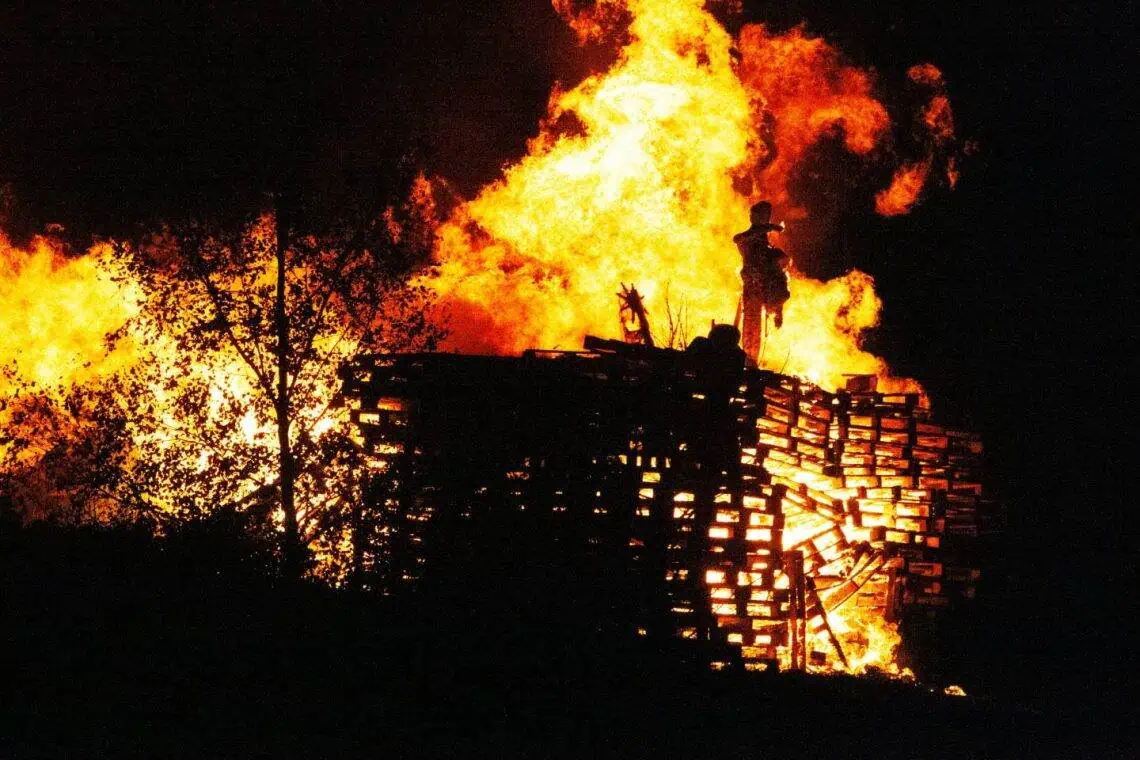

In the heart of Dhaka, Bangladesh’s bustling capital, a catastrophic fire erupted on November 25, 2025, engulfing the sprawling Korail slum in flames that raged for over 16 hours. This devastating blaze destroyed or damaged 1,500 shanties, displacing thousands of families and leaving an estimated 10,000 people homeless in one of the world’s most densely populated urban areas. As smoke still lingers over the charred remains, the tragedy draws stark parallels to South Africa’s own urban housing nightmares—hijacked buildings in Johannesburg and fire-prone townships like Alexandra. Amid the rubble, urgent calls for aid are emerging, spotlighting the African diaspora’s potential role in bridging global humanitarian gaps. The incident not only highlights the immediate suffering but also underscores the broader challenges of climate-induced migration and inadequate urban planning in developing nations.
The Korail Catastrophe: A Firestorm in Dhaka’s Shadow
Korail, one of Dhaka’s largest slums, spans over 160 acres and houses around 60,000 families—many of them climate refugees fleeing floods and cyclones from rural Bangladesh. Wedged between affluent neighborhoods like Gulshan and Banani, the slum’s tin-roofed shanties and narrow alleys form a precarious mosaic of survival. The fire, which broke out shortly after sunset, spread rapidly through highly flammable structures packed with cooking stoves and electrical wiring strained by illegal connections. Eyewitnesses described the scene as chaotic, with flames leaping from roof to roof in the dense labyrinth, turning the evening sky into a terrifying orange glow.
Firefighters from the Department of Fire Service and Civil Defence battled the inferno with 19 engines, but narrow pathways and overcrowding hampered access, prolonging the blaze until early Wednesday morning. Miraculously, no fatalities were reported, thanks to swift evacuations by residents and the Bangladesh Red Crescent Society. However, the human toll is immense: families sifted through ashes for salvaged belongings, while children huddled in open fields like Ershad Math, now makeshift shelters. Official data from the Fire Service director, Lt. Col. Mohammad Tajul Islam Chowdhury, confirms thousands remain displaced, with immediate needs for food, water, and temporary housing overwhelming local resources. Stories of resilience emerged, such as that of 45-year-old Bokul Begum, a wheelchair-bound resident rescued by a teenager amid the panic, highlighting the community’s tight-knit bonds even in crisis.
Dhaka’s slums, home to migrants escaping rural poverty and climate disasters, epitomize Bangladesh’s urbanization crisis. With a city population exceeding 10.2 million as of 2024, lax regulations and poor enforcement have fueled recurrent fires, claiming hundreds of lives in recent years. The Korail inferno underscores the fragility of informal settlements, where over 87,000 people cram into a single square kilometer, according to a 2022 BUET policy brief. This extreme density—87,606 people per square kilometer—exacerbates risks, as flammable materials and limited escape routes turn minor sparks into major disasters. Moreover, the slum’s location near water bodies and industrial zones adds layers of vulnerability, with flooding and pollution compounding daily hardships for residents who pay exorbitant rents for substandard living conditions.
The fire’s aftermath has strained local NGOs and government agencies, with the Bangladesh Red Crescent distributing emergency kits but struggling against the scale of need. Volunteers from nearby affluent areas have stepped in, providing clothes and meals, yet experts warn that without systemic reforms, such tragedies will recur. Dhaka’s rapid growth, driven by an influx of 400,000 rural migrants annually, demands innovative solutions like vertical slum upgrading and community-led fire safety programs to prevent future infernos.
Echoes Across Continents: South Africa’s Urban Fire Traps
Half a world away, the Dhaka blaze resonates deeply with South Africa’s protracted urban housing crisis. In Johannesburg, “hijacked buildings”—abandoned structures illegally occupied by desperate tenants and controlled by criminal syndicates—mirror Korail’s vulnerabilities. These derelict towers, remnants of post-apartheid urban flight, house thousands in squalid conditions without basic services like water or electricity, making them tinderboxes for disaster. The issue stems from the 1990s, when white-owned businesses fled the city center, leaving hundreds of empty buildings that syndicates quickly seized, charging illegal rents to vulnerable migrants.
The 2023 Marshalltown fire in a hijacked Joburg building killed 77 people, including children, when a blaze—possibly sparked by a cooking fire—ripped through the five-story block. Owned by the city yet neglected, the structure was crammed with informal shacks, echoing Korail’s layout. Experts note that such buildings, numbering over 57 in the Central Business District alone, are prone to hijacking due to poor management and corruption. Tenants, often undocumented migrants or low-wage workers, pay “rent” to gangs, perpetuating a cycle of exploitation amid South Africa’s 33% unemployment rate. This rate, one of the world’s highest, traps families in poverty, forcing them into these hazardous dwellings where basic safety is a luxury.
Joburg’s townships, like fire-ravaged Alexandra, compound the crisis. Over the past five years, hundreds of homes in this impoverished enclave have burned, displacing families reliant on paraffin lamps and overcrowded wiring. The apartheid legacy lingers: racial segregation pushed Black South Africans to peripheral townships, and post-1994 influxes overwhelmed housing supply. Today, 1.2 million in Gauteng province are homeless, with government efforts stalled by political instability—six mayors in two years—and graft allegations. The Gauteng Human Settlements Department has flagged 23 hijacked buildings for redevelopment, but progress is glacial, leaving residents in perpetual peril. Recent initiatives, like the Re-blocking program, aim to reorganize informal settlements for better access, but funding shortfalls hinder implementation, mirroring Dhaka’s challenges.
In Alexandra, residents face similar daily battles: evictions, service cutoffs, and fires that wipe out savings in seconds. Community leaders advocate for land audits and tenant protections, yet corruption siphons resources meant for upgrades. The parallels to Korail are uncanny—both areas teem with informal economies where street vendors and day laborers eke out livings, only to lose everything to unchecked hazards. These stories of loss humanize the statistics, revealing a shared struggle against neglect in the Global South.
Shared Roots of Vulnerability: Climate, Migration, and Neglect
What binds Dhaka’s slums to Joburg’s hijacked towers? A toxic brew of rapid urbanization, climate migration, and systemic neglect. In Bangladesh, rising sea levels and cyclones drive rural exodus, swelling Dhaka’s informal settlements. Similarly, South Africa’s droughts and floods exacerbate township overcrowding, while economic migrants from across Africa seek refuge in cities ill-equipped to house them. The World Bank estimates around 52% of Dhaka’s urban population lives in slums, while Johannesburg’s inner-city decay affects over a million. These figures paint a picture of cities bursting at the seams, where the urban poor bear the brunt of environmental and economic shifts.
Both regions grapple with flammable informal housing: tin roofs in Korail ignite like matchsticks, just as paraffin stoves in Alexandra spark deadly infernos. Narrow access routes delay responders, and absent regulations allow hazards to fester. These aren’t isolated incidents but symptoms of global south urbanism, where poverty and policy failures collide. Climate change amplifies this, with Bangladesh losing 1% of its land to erosion yearly and South Africa facing erratic weather that displaces thousands. Migration patterns reveal deeper inequities: in Dhaka, 34% of slum dwellers hail from rural flood zones, while in Joburg, cross-border Africans flee instability, only to encounter new perils.
Neglect compounds these issues. In both cities, corruption diverts housing funds, leaving the poor to improvise with dangerous materials. International reports urge integrated approaches, blending disaster risk reduction with inclusive planning, yet implementation lags. Community voices—from Korail’s women’s groups pushing for fire drills to Alexandra’s youth demanding electrification—offer hope, emphasizing grassroots solutions over top-down fixes.
From Ashes to Action: Lessons and Global Solidarity
The Korail fire offers grim lessons for South Africa: invest in fire-resistant materials, widen access lanes, and enforce building codes in informal areas. Johannesburg could adopt Dhaka’s Red Crescent model for rapid response training, while Bangladesh might learn from SA’s push for expropriation of hijacked properties to reclaim and redevelop them. Both nations need integrated urban planning—blending affordable housing with climate resilience—to break the cycle. Pilot projects, like Dhaka’s solar-powered slum grids or Joburg’s community land trusts, show promise but require scaling through public-private partnerships.
Yet, immediate relief demands innovation. As traditional aid wanes—Bangladesh’s 2025 Rohingya appeal has secured only about a third of its $934.5 million target—eyes turn to unconventional allies. The African diaspora, numbering millions in Europe, North America, and the Gulf, remits billions annually—$4.6 billion to Ghana alone in 2023, outpacing official aid. At the 2025 World Social Summit in Doha, African leaders urged formalizing these flows for targeted development, from emergency shelters to community funds. Diaspora bonds and fintech platforms could channel funds directly to fire victims, bypassing bureaucratic delays.
Calls are growing for the diaspora to extend support beyond the continent. South African expats in the UK and US, with ties to humanitarian networks, could channel remittances to Bangladesh via platforms like the IOM’s Crisis Response Plan. Initiatives pairing African philanthropists with Asian NGOs could fund fire-safety kits or modular housing, fostering South-South solidarity. Muhammad Yunus, Bangladesh’s interim leader, recently warned at the UNGA of a “catastrophic” aid shortfall, imploring global partners—including diasporas—to act. His plea resonates, as underfunded camps lead to ration cuts, heightening desperation.
Beyond remittances, diaspora expertise in urban design and advocacy could drive policy change. Virtual town halls connecting Korail survivors with Joburg activists might birth cross-continental campaigns for slum rights, amplifying marginalized voices on global stages like the UN-Habitat Assembly.
Building Back Better: A Blueprint for Resilience
As Korail residents rebuild amid uncertainty, the fire’s echoes urge bolder action. Governments must prioritize slum upgrading—retrofitting with non-combustible materials and solar-powered grids. International bodies like UN-Habitat can facilitate knowledge exchange: South Africa’s Re-blocking program in townships could inspire Dhaka’s shanty reinforcements. Such exchanges might include training locals in resilient construction, using affordable alternatives like compressed earth blocks that withstand fires and floods.
For the African diaspora, this is a clarion call. By leveraging digital remittances and advocacy, they can amplify voices from Dhaka to Joburg, turning tragedy into transnational ties. Imagine diaspora-funded innovation hubs in slums, teaching youth coding or sustainable farming, breaking poverty cycles. In a world of interconnected crises, solidarity isn’t charity—it’s survival. The flames may fade, but the imperative to act burns brighter than ever.
Looking ahead, collaborative frameworks like the African Union’s diaspora strategy could extend to Asian partners, creating funds for urban resilience. Success stories, such as Kenya’s diaspora bonds financing infrastructure, prove the model works. By 2030, with climate threats intensifying, these bonds of solidarity will be lifelines, ensuring no community burns alone. The Korail fire, though devastating, sparks a global conversation: resilience through unity, from the slums of Dhaka to the streets of Johannesburg.