

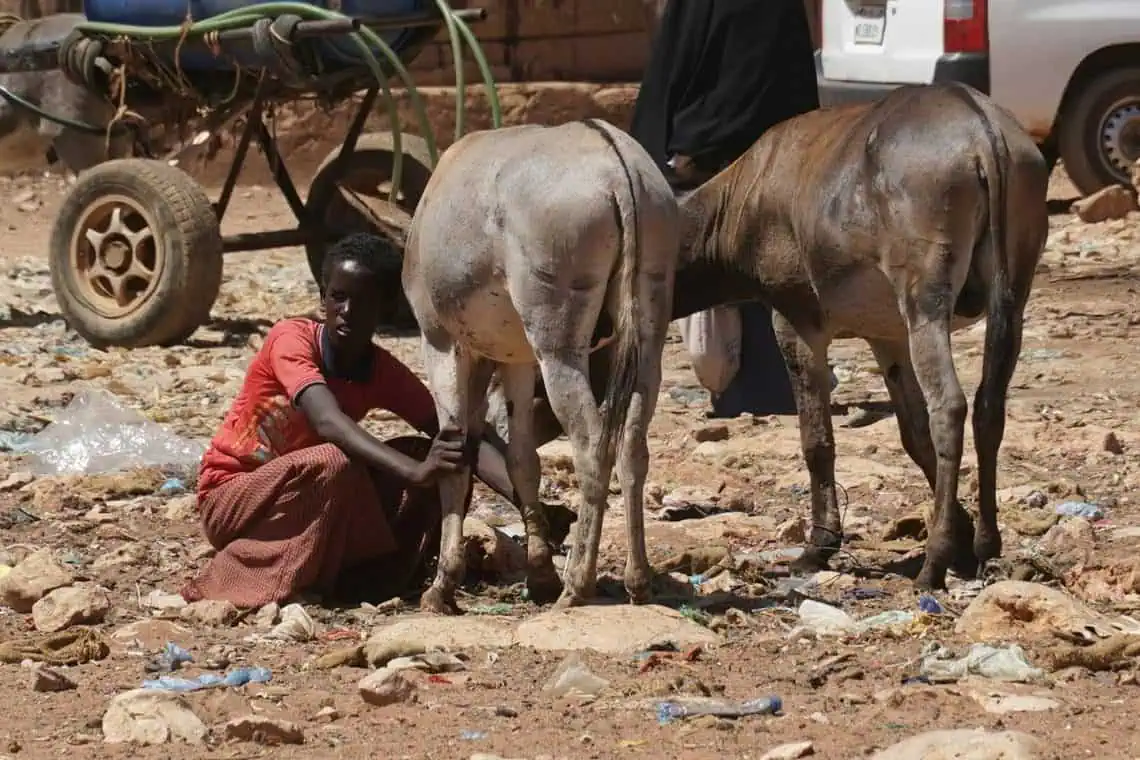

In the parched landscapes of Somalia, where drought and conflict collide in a devastating storm, famine threatens to engulf millions. As of late 2025, this Horn of Africa nation confronts its most severe hunger crisis in decades. According to the latest Integrated Food Security Phase Classification (IPC) analysis, 3.4 million people—about 18% of the population—are already facing crisis-level food insecurity or worse. Projections paint an even grimmer picture: up to 4.4 million individuals, nearly a quarter of Somalis, could plunge into acute hunger between April and June 2026, driven by below-average Gu rains and escalating environmental pressures. This catastrophe, fueled by failed rainy seasons, skyrocketing food prices, and persistent instability, cries out for immediate international intervention. Stepping into the breach is Gift of the Givers, South Africa’s leading disaster response NGO, which has deployed its second specialized team to the hardest-hit areas, extending a legacy of compassionate aid that spans over a decade.
This bold deployment highlights the organization’s steadfast dedication to easing suffering in Somalia, a land it first aided during the 2011 famine that stole tens of thousands of lives, mostly children. For South African contributors, the moment is ripe: donations before December 31, 2025, unlock Section 18A tax rebates, doubling the power of your kindness—nurturing lives overseas while lightening your domestic tax load. In this in-depth exploration, we delve into the deepening crisis, Gift of the Givers’ valiant efforts, and practical ways you can make a difference today.
Somalia’s Mounting Famine: Insights from 2025
The hunger emergency in Somalia isn’t a sudden strike; it’s the grim harvest of entangled ecological, fiscal, and geopolitical woes. The February 2025 IPC report reveals that 3.4 million Somalis are mired in acute hunger, with forecasts surging to 4.4 million by mid-2026—a staggering 27% jump from earlier estimates. Southern and central regions like Bay, Bakool, and Lower Shabelle teeter on the edge of famine, where vulnerable groups face the harshest blows. Climate change stands as the chief antagonist: the 2024 Deyr rains offered meager solace after a punishing drought, and the looming La Niña could stretch arid conditions into 2026, crippling agriculture and pastoral livelihoods.
Layered atop this are man-made scourges. Clashes with Al-Shabaab and other armed factions barricade aid routes, forcing over 3.8 million into internal displacement and driving urban food costs up by 30% or more. The World Food Programme (WFP) sounds the alarm: funding droughts threaten to halve aid recipients from 1.1 million to 350,000 by December 2025, abandoning multitudes to nutritional voids. In displacement camps scattered across Baidoa and beyond, makeshift shelters huddle under relentless sun, where families ration meager portions amid dust-choked winds.
Children, the most fragile sentinels of this tragedy, suffer disproportionately. An estimated 1.7 million under-fives grapple with acute malnutrition through December 2025, including 466,000 severe cases—a 9% escalation from 2024 levels. Global acute malnutrition rates in Baidoa camps have spiked to 11.8%, skirting emergency thresholds and evoking memories of the 2022 near-famine that felled thousands, half young lives snuffed out prematurely. On the ground, tales pierce the heart: mothers cradling skeletal infants, fathers foraging barren scrub for wild roots, siblings sharing sips from dwindling water skins. In Bossaso’s teeming IDP settlements, GAM rates hit 24.2%, with SAM at 5.8%, as disease shadows every weakened frame—measles, cholera, and diarrhea claiming the malnourished with ruthless efficiency. Without a surge in aid, experts warn of irreversible scars: stunted growth, cognitive delays, and a generation robbed of potential, perpetuating cycles of poverty and vulnerability.
Yet amid this desolation, glimmers of resilience emerge. Somali pastoralists, long attuned to the rhythms of the land, adapt with ingenuity—herding camels across vast emptiness, bartering milk for grain in shadow markets. Women-led cooperatives in Lower Shabelle weave drought-resistant baskets from invasive thorns, turning peril into profit. But such sparks demand fuel: seeds for resilient crops, veterinary kits for beleaguered herds, and fortified foods to bridge the nutritional chasm. The 2025 UN Humanitarian Needs and Response Plan, seeking $1.42 billion, languishes at just 12.4% funded, underscoring how private philanthropy must fill the void left by faltering state and global commitments.
Gift of the Givers: Illuminating Crisis with Compassion
Born in 1992 from Dr. Imtiaz Sooliman’s profound spiritual epiphany to serve all humanity, Gift of the Givers has blossomed into Africa’s foremost disaster-response force, channeling over R6 billion in aid to 47 nations. Its creed—”The best among people are those who benefit mankind”—fuels a doctrine of velocity, impartiality, and autonomy, often outpacing lumbering international bureaucracies to stricken sites. In Somalia, roots trace to 2011’s apocalyptic famine, when the NGO airlifted 180 tons of sustenance and sea-shipped 2,000 tons more, mobilizing 94 souls—including 57 medical wizards—to staunch the hemorrhage of lives in Mogadishu and beyond. Boreholes drilled then quenched the thirst of 30,000 refugees across 11 camps, a lifeline in a realm where clean water rivals gold.
By 2025, with outposts in nine countries—including a foothold in Somalia—the NGO commands over 600 dedicated staff and volunteers, pioneering marvels like the globe’s inaugural containerized mobile hospital, honed in Bosnia’s ashes and tailored for Africa’s unforgiving terrains. Their arsenal tackles famine’s facets: hunger quenching via high-energy rations, medical caravans piercing remote enclaves, azure boreholes piercing arid earth, and fodder for faltering flocks. Lately, antenatal sanctuaries in Banadir and Shabelle have birthed hope, where midwives administer vaccines, impart hygiene hymns, and cradle newborns amid scarcity’s siege.
The late-2025 dispatch of a second team marks a pivotal intensification. This 20-strong cadre—doctors, supply chain sorcerers, nutrition alchemists—zeros in on southern IDP bastions, famine’s epicenters. Laden with bespoke high-energy protein blends and therapeutic milks, they follow an early-2025 vanguard that doled hygiene havens and sustenance sacks to 15,000 kin amid El Niño’s deluges that ravaged fields and thoroughfares. “Survival alone isn’t our creed; we forge dignity and rebirth,” proclaims Dr. Sooliman, envisioning enduring boreholes and village clinics as bulwarks against tomorrow’s tempests. In Baidoa’s sprawl, teams triage the tiniest victims, blending rehydration salts with storytelling circles to mend not just bodies but spirits frayed by loss.
Beyond the immediate, Gift of the Givers sows seeds of self-reliance. Solar pumps draw water from depths unseen, empowering women to irrigate kitchen gardens that yield tomatoes and greens where dust once reigned. Youth apprenticeships in veterinary arts revive herds, weaving economic threads into the social fabric. These interventions, scaled across Gedo and Jubba, don’t merely palliate; they empower Somalis to author their own narratives of endurance.
The Power of Your Gift: Fueling Somalia’s Fight
Each rand entrusted to Gift of the Givers ignites tangible salvation: R100 conjures a week’s therapeutic feast for a famished child, R500 summons a hygiene arsenal warding cholera’s specter from crowded camps. Their 100% cost-recovery ethos—zero donor shekels siphoned to overheads—guarantees every cent cascades to the frontlines. With Somalia’s aid blueprint a mere 12.4% financed, your private pledge plugs chasms where public coffers falter.
As a SARS-sanctioned Public Benefit Organisation, Gift of the Givers bestows Section 18A certificates, supercharging your benevolence. This fiscal flourish, etched in South Africa’s Income Tax Act, permits deductions up to 10% of taxable income, slashing liabilities while swelling relief rivers. In 2025’s economic headwinds, it’s a savvy symphony of heart and ledger, beckoning individuals and enterprises to amplify echoes of empathy.
Consider Aisha, a Baidoa mother whose toddler teetered on malnutrition’s brink. A Gift of the Givers parcel—fortified porridge, deworming tabs, a mosquito net—reclaimed her sparkle. Or farmer Osman in Lower Shabelle, whose borehole-irrigated plot now feeds eight, bartering surplus for school fees. These vignettes aren’t anomalies; they’re the ripple of resolute giving, transforming despair into dawns of possibility.
Secure Ways to Support Gift of the Givers
Channeling aid to this crusade is seamless and fortified. Gift of the Givers safeguards benefactors, cautioning against rogue solicitations—stick to verified conduits.
- Online: Head to giftofthegivers.org/online-payment/ for swift card infusions. Tag “Somalia” in your note.
- Bank Transfer: Standard Bank, Pietermaritzburg Branch, Account: 052137228, Code: 057525. Note: “Somalia”.
- Toll-Free: Dial 0800 786 911 for counsel or vows.
- Global Gateways: Via BackaBuddy or GlobalGiving for overseas allies.
Corporate duets and recurring vows through TeamGift forge enduring tides. Queries? Dispatch to donations@giftofthegivers.org.
Claiming Your Section 18A Rebate: A Simple Path
Harvesting your tax boon is effortless and enriching. Section 18A deems donations to vetted PBOs deductible, sans strings, upon certificate possession. Navigate the year-end sprint thus:
- Give and Seek Receipt: Post-gift, wire donations@giftofthegivers.org your payment proof, name, ID, tax ref (optional), contacts, and donor class (solo/firm).
- Await Affirmation: A bespoke Section 18A scroll arrives swiftly, brimming with SARS-mandated minutiae like docket and enterprise moniker.
- Lodge with SARS: In your 2025 return (provisional due June 2026, others October), upload via eFiling. Reclaim up to 10% of taxable haul—SARS cross-checks seamlessly.
- Optimize Gains: Log excesses for rollover. Enlist a fiscal sage for bespoke blueprints.
Since March 2023’s reporting refinements, clarity reigns, yet the dance stays donor-delightful. Note: Solely SARS-blessed recipients qualify—affirm Gift of the Givers at sars.gov.za.
Charting Tomorrow: Enduring Hope Post-Famine
As Gift of the Givers’ reinforcements tread Somali soil, their mandate transcends triage. Blueprints brim with drought-defying seeds, empowering women through tailoring guilds, and sun-harnessed aqueducts to armor against recurrent ravages. Yet triumph teeters on unity: the UN’s $1.42 billion 2025 clarion call idles underfunded, spotlighting grassroots gravitas.
Envision resilient riverines in Shabelle, tilling hybrid maize that laughs at lean seasons, or nomadic clans in Sanaag, their goats plump on supplemented forage, traversing trails of renewal. Education outposts, fortified by donor dollars, etch literacy into young minds, breaking famine’s generational chains. These aren’t reveries; they’re blueprints, awaiting your brushstroke.
In this maelstrom of misery, your bequest transcends alms—it’s an artery pulsing life. By bolstering Gift of the Givers ere the calendar flips, you stoke famine’s foes while reaping rebates that salute your soul. Somalia’s indomitable souls, scarred yet soaring, merit this and more. Heed the call now; rebuild honor, gift by gift.