

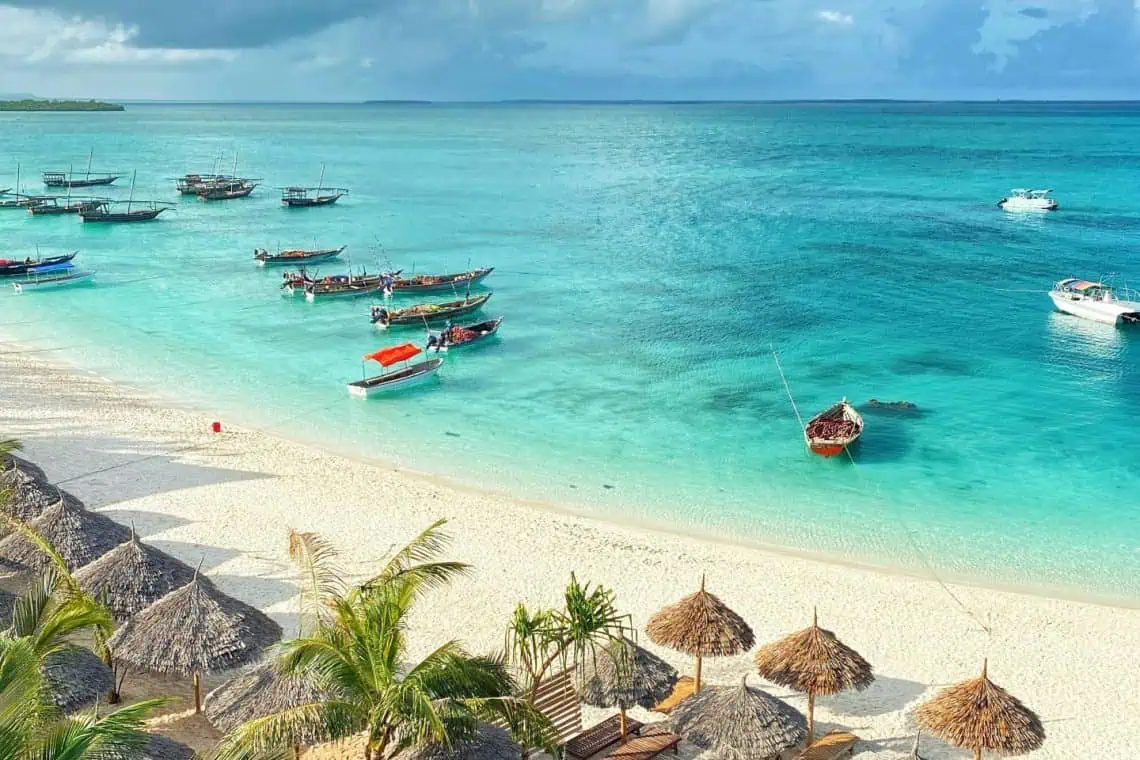

In the heart of the Indian Ocean, where turquoise waves kiss powdery white sands, Zanzibar emerges as Africa’s crown jewel for eco-conscious travelers. According to recent insights from global tourism analyses, including U.S. News & World Report’s 2025 rankings, Tanzania’s Zanzibar archipelago secures a top spot among the continent’s must-visit destinations, blending pristine beaches with sustainable safaris that echo the rugged allure of South Africa’s Cape coast. For South African globetrotters craving a seamless fusion of adventure and relaxation, this Spice Island offers an irresistible escape—visa-free entry for up to 90 days, direct flights from Johannesburg taking about four hours with carriers like Airlink, and eco-adventures that prioritize the planet. Dive into why Zanzibar tops lifetime travel lists and how it delivers that perfect Cape vibe with a tropical twist. As eco-tourism surges across Africa—projected to contribute significantly to the continent’s economy by 2030, per World Bank forecasts—Zanzibar’s commitment to green practices positions it as a leader, drawing savvy travelers who seek experiences that give back to nature and communities.
Zanzibar’s Eco-Crown: Topping Africa’s Sustainable Travel Charts
Zanzibar isn’t just a destination; it’s a movement. In 2025, the island stands out for its dedication to environmental stewardship amid a booming tourism sector. U.S. News & World Report places Zanzibar at #7 in its Best Places to Visit in Africa list, praising its tranquil archipelago vibes and unforgettable adventures. Meanwhile, Tanzania as a whole claims the #1 spot, thanks to its wildlife wonders like the Serengeti, which pair effortlessly with Zanzibar’s coastal serenity.
What sets Zanzibar apart? It’s the harmony of nature and nurture. Approximately 38% of Tanzania’s land is protected for conservation, including Zanzibar’s Jozani Chwaka Bay National Park, home to the endangered red colobus monkey. Initiatives like the Chumbe Island Coral Park, a pioneer in private marine protection since 1994, boast 100% renewable energy and zero waste, boosting coral cover through dedicated restoration efforts over the past decade. For South Africans, familiar with Cape Town’s fynbos conservation efforts, this mirrors the ethos of treading lightly while exploring deeply. Travel And Tour World highlights Zanzibar’s 24% tourism surge in October 2025, with over 86,000 visitors, underscoring its rise as a global hotspot driven by sustainable innovation. This growth isn’t accidental; it’s fueled by policies that integrate local communities into conservation, ensuring that every visitor’s footprint supports long-term ecological health. From solar-powered eco-lodges to community-led reef monitoring, Zanzibar exemplifies how tourism can heal rather than harm, offering South African travelers a model of responsible adventure that resonates with the continent’s shared commitment to preservation.
White-Sand Bliss Meets Safari Thrills: Zanzibar’s Beach-Safari Symphony
Imagine trading Table Mountain’s vistas for Zanzibar’s endless horizons, where white-sand beaches like Matemwe and Kiwengwa stretch like nature’s canvas. These shores, lapped by the Indian Ocean, offer the ultimate unwind after a Serengeti safari—much like extending a Cape Town trip to the Garden Route, but with coral reefs instead of vineyards. Snorkel at Mnemba Atoll, a protected marine area teeming with vibrant fish and turtles, or kayak through mangroves in eco-tours that emphasize low-impact exploration. These activities aren’t just recreational; they’re designed to educate participants on marine biodiversity, fostering a deeper appreciation for the fragile ecosystems that sustain Zanzibar’s allure.
For the safari soul in every SA traveler, Zanzibar complements mainland Tanzania’s Big Five pursuits. Combine a Serengeti game drive—witnessing the Great Migration of 2 million wildebeest—with island downtime. G Adventures’ 12-day Serengeti Safari and Zanzibar trip integrates community projects like the Masai Clean Cookstoves initiative, replacing hazardous stoves in 60 villages to cut emissions and empower women engineers. It’s eco-travel with heart, akin to South Africa’s rhino conservation drives, but infused with Swahili spice. This seamless blend allows travelers to transition from heart-pounding wildlife encounters to serene beach retreats without compromising on sustainability, as many tours offset carbon emissions through reforestation efforts. The result? A holistic journey that nourishes both the spirit and the environment, making Zanzibar a beacon for those seeking meaningful, multi-faceted escapes.
Spice Island Secrets: Cultural Immersion with a Sustainable Spin
Zanzibar’s nickname, the Spice Islands, isn’t hype—it’s heritage. Once a hub for Arab, Indian, and European traders, the archipelago’s plantations yield cloves, cinnamon, and nutmeg that perfume the air. For South African foodies versed in Cape Malay flavors, a spice tour feels like coming home: Wander organic farms, taste fresh harvests, and learn sustainable harvesting techniques that support local farmers. These tours, often community-led, ensure 100% of fees bolster Zanzibari livelihoods, much like fair-trade initiatives in the Western Cape. Beyond the sensory delight, these experiences highlight regenerative agriculture practices that combat soil degradation, offering a tangible way for visitors to contribute to food security and biodiversity preservation.
Stone Town, a UNESCO World Heritage Site, pulses with Swahili soul. Narrow alleys house carved doors, bustling markets, and the House of Wonders museum, echoing the multicultural tapestry of Durban’s ports. Ethical tours here promote cultural exchange—think Swahili cooking classes or dhow sunset cruises on traditional wooden boats powered by wind, not fuel. Respect local customs by dressing modestly in town (shoulders and knees covered), a nod to the island’s Muslim majority, blending seamlessly with SA’s diverse cultural etiquette. These immersions go deeper than surface-level sightseeing; they include workshops on traditional crafts, where artisans share techniques passed down through generations, ensuring cultural continuity while providing economic empowerment. For the culturally curious South African, Zanzibar offers a living mosaic of history and hospitality that feels both exotic and intimately familiar.
Green Stays and Eco-Escapes: Where Luxury Meets Legacy
Sustainable luxury defines Zanzibar’s accommodations. Eco-resorts like Zuri Zanzibar on Kendwa Beach run on solar power, feature infinity pools fed by rainwater, and maintain spice gardens that supply farm-to-table meals. The Nest, a nature-inspired boutique, minimizes plastic and supports reef education. For budget-savvy SA packs, Pongwe Beach Hotel offers tranquil eco-retreats with zero-waste policies. These properties aren’t mere hotels; they’re sanctuaries that integrate seamlessly with their surroundings, using local materials and employing community members to create authentic, low-impact stays that rival the eco-luxury of South Africa’s boutique lodges.
Adventure calls with the Kizimkazi Hiking Loop, a 10km trail launched in 2025 by UNDP and Zanzibar’s Ministry of Tourism. This eco-path through southern forests integrates apps like Komoot for global reach, featuring educational signage on biodiversity. Pair it with ethical dolphin swims in Menai Bay Conservation Area, where operators limit groups to protect pods— a responsible thrill rivaling shark cage dives off Gansbaai. These experiences underscore Zanzibar’s forward-thinking approach to adventure, where technology and tradition converge to minimize environmental impact while maximizing visitor engagement. Hikers learn about endemic species along the trail, and dolphin encounters include post-swim briefings on marine conservation, turning every outing into an opportunity for informed advocacy.
SA Globetrotter’s Roadmap: Seamless Zanzibar Journeys
Getting there is a breeze for South Africans: Direct flights from Johannesburg to Abeid Amani Karume International Airport (ZNZ) take about 4 hours, with carriers like Airlink offering seamless connections. Visa-free for up to 90 days, but snag mandatory travel insurance upon arrival (around $35). Best time? June to October for dry-season safaris and beach bliss, dodging November’s short rains. This accessibility makes Zanzibar an effortless extension to any South African itinerary, whether tacked onto a Kruger safari or a solo coastal hop, allowing more time for immersion and less for logistics.
Navigate via dala-dala minibuses for authentic vibes or rent scooters for freedom—helmets mandatory, roads winding but scenic. Currency: Tanzanian Shillings (TZS), but USD accepted; ATMs abound in Stone Town. Health-wise, malaria prophylaxis is key; pack reef-safe sunscreen to safeguard corals. For the well-prepared traveler, these practicalities fade into the background, leaving space to savor the island’s rhythms—from haggling in markets to stargazing on remote beaches—without the hassles that plague less accessible destinations.
| Quick Zanzibar Tips for SA Travelers | |
| Best Beaches | Matemwe (north), Paje (southeast) |
| Must-Do Eco-Activity | Jozani Forest monkey trek |
| Signature Dish | Pweza wa nazi (octopus coconut curry) |
| Transport Hack | Dala-dala for budget; scooter for couples |
| Sustainable Souvenir | Fair-trade spices from local farms |
Cape Vibes in the Tropics: Why Zanzibar Feels Like Home
For South Africans, Zanzibar whispers familiarity amid the exotic. Its dramatic coastlines evoke the Wild Coast’s raw beauty, while Stone Town’s markets buzz like Greenmarket Square on steroids. Sustainable projects, from mangrove restoration—safeguarding vital coastal ecosystems—to community cookstove programs mirroring rural upliftment in the Eastern Cape, resonate deeply. Here, eco-travel isn’t a trend—it’s a lifeline, with tourism generating jobs and revenue while protecting Zanzibar’s precious mangroves and biodiversity hotspots.
As 2025 unfolds, Zanzibar’s ascent in global eco-rankings cements its status as Africa’s lifetime must-do. It’s where white sands meet wild hearts, spices scent safari dreams, and every step treads lightly. For the discerning SA wanderer, this island isn’t just a trip—it’s a transformative chapter in your global story, blending Cape spirit with oceanic serenity. Whether you’re a family seeking gentle adventures, a couple chasing sunsets, or a solo explorer craving connection, Zanzibar delivers with unmatched grace. Book your flight, pack your reef-safe essentials, and let the Spice Island weave its magic—your eco-odyssey awaits, promising memories as enduring as its timeless shores.