


- Landscaping for Defense: Plant native grasses and shrubs on slopes to reduce erosion—mudslides wrecked homes in Howick during this storm. Avoid planting near foundations, and install French drains to redirect runoff in low-lying Pietermaritzburg yards. These natural barriers not only stabilize soil but also enhance biodiversity, creating permeable surfaces that absorb excess water more effectively than concrete alternatives.
- Emergency Kits and Plans: Stock non-perishables, flashlights, batteries, and a first-aid kit for 72 hours. Designate a family evacuation route avoiding bridges, and sign up for SAWS SMS alerts. In flood zones, never drive through submerged roads—even 15cm of water can float a car. Practice drills annually to ensure everyone knows their role, and include pet evacuation in your strategy.
For informal dwellings, community networks are key: collaborate with neighbors for shared barriers and early evacuations, as seen in successful Quarry Road West rescues. Long-term, advocate for municipal upgrades like permeable pavements to mitigate urban runoff in Durban’s CBD. Engaging with local ward committees can amplify these efforts, pushing for resilient infrastructure that benefits entire neighborhoods rather than isolated properties.
Looking Ahead: Resilience in a Changing Climate
As cleanup crews sweep hail from streets and engineers assess bridge integrity, KZN’s storms serve as a stark reminder of vulnerability. With climate models predicting wetter summers, investing in resilient infrastructure—from elevated settlements to advanced forecasting—becomes imperative. SAWS forecasts scattered thundershowers persisting through December 5, so vigilance is non-negotiable. For now, communities rally: neighbors sharing generators, volunteers distributing blankets, and officials pledging swift aid. Initiatives like community weather stations and subsidized home retrofits are gaining traction, empowering residents to adapt rather than merely react. Educational campaigns in schools are also underway, teaching the next generation about storm safety and environmental stewardship. In the face of nature’s thunderbolts, unity and preparation are KZN’s strongest shields, turning potential tragedy into a catalyst for sustainable progress. As the province rebuilds, there’s hope that these lessons will forge a more weather-ready future, where the beauty of its landscapes endures alongside the strength of its people.
- Elevate Essentials: Move furniture, electronics, and documents to upper floors or watertight containers. For ground-level homes in Durban’s Reservoir Hills, use sandbags at doorways and seal windows with plastic sheeting. Aim for at least 30cm above the highest known flood line. Consider raised flooring or modular storage units for quick relocation during alerts.
- Landscaping for Defense: Plant native grasses and shrubs on slopes to reduce erosion—mudslides wrecked homes in Howick during this storm. Avoid planting near foundations, and install French drains to redirect runoff in low-lying Pietermaritzburg yards. These natural barriers not only stabilize soil but also enhance biodiversity, creating permeable surfaces that absorb excess water more effectively than concrete alternatives.
- Emergency Kits and Plans: Stock non-perishables, flashlights, batteries, and a first-aid kit for 72 hours. Designate a family evacuation route avoiding bridges, and sign up for SAWS SMS alerts. In flood zones, never drive through submerged roads—even 15cm of water can float a car. Practice drills annually to ensure everyone knows their role, and include pet evacuation in your strategy.
For informal dwellings, community networks are key: collaborate with neighbors for shared barriers and early evacuations, as seen in successful Quarry Road West rescues. Long-term, advocate for municipal upgrades like permeable pavements to mitigate urban runoff in Durban’s CBD. Engaging with local ward committees can amplify these efforts, pushing for resilient infrastructure that benefits entire neighborhoods rather than isolated properties.
Looking Ahead: Resilience in a Changing Climate
As cleanup crews sweep hail from streets and engineers assess bridge integrity, KZN’s storms serve as a stark reminder of vulnerability. With climate models predicting wetter summers, investing in resilient infrastructure—from elevated settlements to advanced forecasting—becomes imperative. SAWS forecasts scattered thundershowers persisting through December 5, so vigilance is non-negotiable. For now, communities rally: neighbors sharing generators, volunteers distributing blankets, and officials pledging swift aid. Initiatives like community weather stations and subsidized home retrofits are gaining traction, empowering residents to adapt rather than merely react. Educational campaigns in schools are also underway, teaching the next generation about storm safety and environmental stewardship. In the face of nature’s thunderbolts, unity and preparation are KZN’s strongest shields, turning potential tragedy into a catalyst for sustainable progress. As the province rebuilds, there’s hope that these lessons will forge a more weather-ready future, where the beauty of its landscapes endures alongside the strength of its people.
- Clear Drainage Systems: Before storms hit, inspect gutters, downspouts, and storm drains around your property. Remove leaves, debris, and sediment to ensure water flows freely—clogged systems caused 40% of 2022 Durban flood damages. In Pietermaritzburg’s suburbs like Blackridge, elevate sump pumps and install backflow valves on sewers. Regular maintenance, ideally quarterly, can prevent backups that turn minor rains into major inundations.
- Elevate Essentials: Move furniture, electronics, and documents to upper floors or watertight containers. For ground-level homes in Durban’s Reservoir Hills, use sandbags at doorways and seal windows with plastic sheeting. Aim for at least 30cm above the highest known flood line. Consider raised flooring or modular storage units for quick relocation during alerts.
- Landscaping for Defense: Plant native grasses and shrubs on slopes to reduce erosion—mudslides wrecked homes in Howick during this storm. Avoid planting near foundations, and install French drains to redirect runoff in low-lying Pietermaritzburg yards. These natural barriers not only stabilize soil but also enhance biodiversity, creating permeable surfaces that absorb excess water more effectively than concrete alternatives.
- Emergency Kits and Plans: Stock non-perishables, flashlights, batteries, and a first-aid kit for 72 hours. Designate a family evacuation route avoiding bridges, and sign up for SAWS SMS alerts. In flood zones, never drive through submerged roads—even 15cm of water can float a car. Practice drills annually to ensure everyone knows their role, and include pet evacuation in your strategy.
For informal dwellings, community networks are key: collaborate with neighbors for shared barriers and early evacuations, as seen in successful Quarry Road West rescues. Long-term, advocate for municipal upgrades like permeable pavements to mitigate urban runoff in Durban’s CBD. Engaging with local ward committees can amplify these efforts, pushing for resilient infrastructure that benefits entire neighborhoods rather than isolated properties.
Looking Ahead: Resilience in a Changing Climate
As cleanup crews sweep hail from streets and engineers assess bridge integrity, KZN’s storms serve as a stark reminder of vulnerability. With climate models predicting wetter summers, investing in resilient infrastructure—from elevated settlements to advanced forecasting—becomes imperative. SAWS forecasts scattered thundershowers persisting through December 5, so vigilance is non-negotiable. For now, communities rally: neighbors sharing generators, volunteers distributing blankets, and officials pledging swift aid. Initiatives like community weather stations and subsidized home retrofits are gaining traction, empowering residents to adapt rather than merely react. Educational campaigns in schools are also underway, teaching the next generation about storm safety and environmental stewardship. In the face of nature’s thunderbolts, unity and preparation are KZN’s strongest shields, turning potential tragedy into a catalyst for sustainable progress. As the province rebuilds, there’s hope that these lessons will forge a more weather-ready future, where the beauty of its landscapes endures alongside the strength of its people.
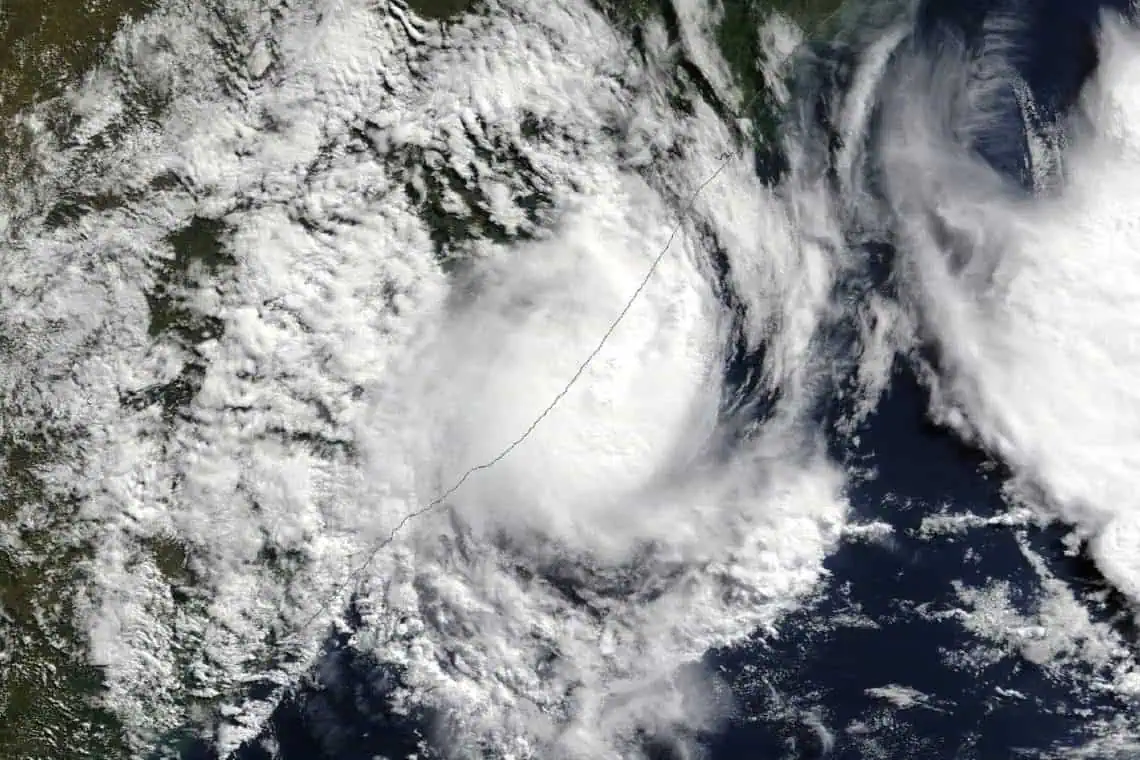
In the heart of KwaZulu-Natal, where the lush landscapes of Durban and Pietermaritzburg usually draw crowds for their vibrant beaches and rolling hills, a different scene unfolded on December 2, 2025. Torrential rains, golf-ball-sized hail, and ferocious winds tore through the province like an uninvited fury, leaving a trail of flooded streets, shattered roofs, and uprooted lives. The South African Weather Service (SAWS) had sounded the alarm with Level 4 and Level 5 warnings, but even those couldn’t fully prepare residents for the devastation. As emergency services scramble to restore order, this article dives into the storm’s wrath, the official alerts, and essential tips to safeguard flood-prone homes in the hardest-hit areas. The impacts were widespread, affecting everything from major highways to informal settlements, and highlighting the growing threat of intensified weather patterns in the region.
The Storm Strikes: A Timeline of Terror in KZN
The chaos began innocuously enough with scattered clouds building over the Midlands in the early afternoon. By 2 PM, the skies darkened over Pietermaritzburg, unleashing a barrage of hail that pelted homes in Hilton and Howick like machine-gun fire. Videos circulating on social media captured the eerie spectacle: white blankets of ice blanketing lawns, cars dented like crushed cans, and residents scrambling for cover. In Durban, the coastal hub, the assault was no less brutal. Heavy downpours swelled the Umgeni River, turning low-lying neighborhoods into impromptu lakes and forcing motorists on the N3 highway at Town Hill to abandon vehicles amid waist-deep waters. The flooding was so severe that sections of the N3 were closed in both directions, stranding hundreds and causing major traffic disruptions that lasted well into the evening.
As the evening wore on, the storm’s fury extended northward. Newcastle and Dannhauser reported severe hail damage to informal settlements, where mud-built structures crumbled under the onslaught, displacing dozens of families. A viral clip from near Van Reenen’s Pass showed a rare landspout tornado twisting through farmlands, a harbinger of the extreme weather gripping the province. This unusual event, formed from converging moisture and supercell conditions, added to the sense of unpredictability, with farmers in the area reporting crop losses and livestock injuries. By midnight, the toll was clear: over 100 homes damaged or destroyed, roads impassable, and power outages affecting thousands. The KwaZulu-Natal Department of Cooperative Governance and Traditional Affairs (COGTA) confirmed that municipal disaster teams were deployed province-wide, working through the night to rescue stranded residents and clear debris. These teams, equipped with generators and swift-water gear, conducted aerial surveys using South African National Defence Force (SANDF) helicopters to identify isolated hotspots, ensuring no one was left behind in remote rural areas.
SAWS Warnings: Heeding the Call Before the Deluge
The South African Weather Service (SAWS) had been unequivocal in its alerts. On December 1, a Yellow Level 2 warning flagged potential severe thunderstorms across north-western KZN, including Ladysmith and Vryheid. But it was the escalation on December 2 that raised the stakes: a Level 4 warning for most of the province, predicting heavy downpours exceeding 50mm in hours, damaging winds up to 80 km/h, excessive lightning, and hail capable of smashing vehicle windscreens and puncturing roofs. Coastal areas like eThekwini (Durban) fell under Level 4, while northern districts such as Abaqulusi, Hluhluwe, and uPhongolo faced the direst Level 5 classification, signaling “disruptive” impacts including flash floods and mudslides. These levels indicate the potential for significant disruptions, with Level 5 being the highest for expected widespread damage and life-threatening conditions.
SAWS urged immediate action: stay indoors, avoid swollen streams, and elevate valuables. “Do not attempt to cross rivers where water is above your ankles,” the agency cautioned, emphasizing the hidden dangers of fast-flowing floodwaters that can sweep away vehicles and people alike. These warnings echoed across platforms, with Newzroom Afrika and eNCA broadcasting urgent updates, reminding residents that the system would linger until December 5. Yet, in a province still recovering from November’s floods that claimed lives in uMshwathi, the alerts underscored a grim reality: climate patterns are intensifying these events, turning seasonal rains into seasonal catastrophes. Experts note that warmer ocean temperatures and changing atmospheric circulation are fueling more frequent supercells, leading to heavier precipitation loads in shorter bursts. This storm’s rapid intensification, from scattered showers to severe thunderstorms within hours, exemplifies how quickly conditions can escalate, making real-time monitoring essential for vulnerable communities.
Damage Reports: A Province Counting the Costs
The morning after brought a sobering assessment. In Pietermaritzburg, the N3 closure at Town Hill stranded hundreds, with recovery teams towing submerged cars and clearing hail-strewn highways. Durban’s informal settlements along the Palmiet River saw the worst: over 50 structures collapsed, forcing evacuations to community halls. COGTA’s Reverend Thulasizwe Buthelezi reported structural damage to schools in Pinetown and livestock losses in rural Zululand, estimating initial costs in the millions of rands. Preliminary assessments from affected municipalities pegged the damage at over R50 million, covering repairs to roads, bridges, and public buildings alone, not accounting for private losses or agricultural impacts.
Human impact hit hardest in vulnerable communities. Two bodies were recovered on December 3 from November’s lingering floods in the Midlands, a tragic reminder of the storms’ cumulative toll, though no new fatalities were directly linked to this event. In Dannhauser, hail ripped through tin roofs, leaving families exposed as aftershocks of lightning strikes sparked minor fires. Emergency services, including the Reaction Unit South Africa (RUSA), conducted over 200 rescues, but officials warn that unaccounted individuals could push the displacement figure past 500. Power restoration lagged in eThekwini, with Eskom crews battling wind-felled lines, while the eThekwini Municipality activated its disaster management center for round-the-clock monitoring. The economic ripple effects are already evident: local businesses in flood-hit areas like Quarry Road reported inventory losses and temporary closures, straining an economy still rebuilding from prior weather events. Environmental damage was also notable, with mudslides eroding riverbanks and contaminating water sources, posing long-term health risks to downstream communities.
Emergency Services: Heroes in the Downpour
As the storms raged, KwaZulu-Natal’s emergency apparatus kicked into overdrive. COGTA placed all 54 municipalities on high alert, deploying joint operations centers stocked with sandbags, generators, and swift-water rescue gear. Traffic authorities closed flood-risk routes like the R103 and warned against travel on the N2 coastal stretch, where rockfalls threatened. In Pietermaritzburg, uMgungundlovu District teams coordinated with SANDF units for aerial surveys, spotting isolated hotspots in Impendle and Estcourt. These surveys proved crucial in locating elderly residents trapped in rising waters, preventing potential drownings in hard-to-reach valleys.
Durban’s metro police and fire services shone brightest, evacuating over 150 people from Quarry Road West before the Palmiet burst its banks—a nod to community-based early warning systems piloted post-2022 floods. “Our teams are on the frontlines, but public compliance saves lives,” said Senzelwe Mzila, COGTA spokesperson. Hotline 112 buzzed with calls, underscoring the strain, yet response times averaged under 15 minutes in urban zones. As of December 5, services remain vigilant, with forecasts hinting at lingering showers that could reignite flash flood risks. The integration of drone technology in these operations has been a game-changer, allowing for quicker assessments of debris-blocked culverts and at-risk bridges, while volunteer networks provided hot meals and temporary shelter, fostering a spirit of communal resilience amid the chaos.
Protecting Flood-Prone Homes: Actionable Tips for Durban and Pietermaritzburg Residents
Durban and Pietermaritzburg, nestled in river valleys and coastal plains, are perennial flood magnets. With the Tongaat and Msunduzi rivers prone to overflow, proactive measures can mean the difference between damage and disaster. Drawing from SAWS and government guidelines, here’s how to fortify your home against future assaults:
- Clear Drainage Systems: Before storms hit, inspect gutters, downspouts, and storm drains around your property. Remove leaves, debris, and sediment to ensure water flows freely—clogged systems caused 40% of 2022 Durban flood damages. In Pietermaritzburg’s suburbs like Blackridge, elevate sump pumps and install backflow valves on sewers. Regular maintenance, ideally quarterly, can prevent backups that turn minor rains into major inundations.
- Elevate Essentials: Move furniture, electronics, and documents to upper floors or watertight containers. For ground-level homes in Durban’s Reservoir Hills, use sandbags at doorways and seal windows with plastic sheeting. Aim for at least 30cm above the highest known flood line. Consider raised flooring or modular storage units for quick relocation during alerts.
- Landscaping for Defense: Plant native grasses and shrubs on slopes to reduce erosion—mudslides wrecked homes in Howick during this storm. Avoid planting near foundations, and install French drains to redirect runoff in low-lying Pietermaritzburg yards. These natural barriers not only stabilize soil but also enhance biodiversity, creating permeable surfaces that absorb excess water more effectively than concrete alternatives.
- Emergency Kits and Plans: Stock non-perishables, flashlights, batteries, and a first-aid kit for 72 hours. Designate a family evacuation route avoiding bridges, and sign up for SAWS SMS alerts. In flood zones, never drive through submerged roads—even 15cm of water can float a car. Practice drills annually to ensure everyone knows their role, and include pet evacuation in your strategy.
For informal dwellings, community networks are key: collaborate with neighbors for shared barriers and early evacuations, as seen in successful Quarry Road West rescues. Long-term, advocate for municipal upgrades like permeable pavements to mitigate urban runoff in Durban’s CBD. Engaging with local ward committees can amplify these efforts, pushing for resilient infrastructure that benefits entire neighborhoods rather than isolated properties.
Looking Ahead: Resilience in a Changing Climate
As cleanup crews sweep hail from streets and engineers assess bridge integrity, KZN’s storms serve as a stark reminder of vulnerability. With climate models predicting wetter summers, investing in resilient infrastructure—from elevated settlements to advanced forecasting—becomes imperative. SAWS forecasts scattered thundershowers persisting through December 5, so vigilance is non-negotiable. For now, communities rally: neighbors sharing generators, volunteers distributing blankets, and officials pledging swift aid. Initiatives like community weather stations and subsidized home retrofits are gaining traction, empowering residents to adapt rather than merely react. Educational campaigns in schools are also underway, teaching the next generation about storm safety and environmental stewardship. In the face of nature’s thunderbolts, unity and preparation are KZN’s strongest shields, turning potential tragedy into a catalyst for sustainable progress. As the province rebuilds, there’s hope that these lessons will forge a more weather-ready future, where the beauty of its landscapes endures alongside the strength of its people.
- Elevate Essentials: Move furniture, electronics, and documents to upper floors or watertight containers. For ground-level homes in Durban’s Reservoir Hills, use sandbags at doorways and seal windows with plastic sheeting. Aim for at least 30cm above the highest known flood line. Consider raised flooring or modular storage units for quick relocation during alerts.
- Landscaping for Defense: Plant native grasses and shrubs on slopes to reduce erosion—mudslides wrecked homes in Howick during this storm. Avoid planting near foundations, and install French drains to redirect runoff in low-lying Pietermaritzburg yards. These natural barriers not only stabilize soil but also enhance biodiversity, creating permeable surfaces that absorb excess water more effectively than concrete alternatives.
- Emergency Kits and Plans: Stock non-perishables, flashlights, batteries, and a first-aid kit for 72 hours. Designate a family evacuation route avoiding bridges, and sign up for SAWS SMS alerts. In flood zones, never drive through submerged roads—even 15cm of water can float a car. Practice drills annually to ensure everyone knows their role, and include pet evacuation in your strategy.
For informal dwellings, community networks are key: collaborate with neighbors for shared barriers and early evacuations, as seen in successful Quarry Road West rescues. Long-term, advocate for municipal upgrades like permeable pavements to mitigate urban runoff in Durban’s CBD. Engaging with local ward committees can amplify these efforts, pushing for resilient infrastructure that benefits entire neighborhoods rather than isolated properties.
Looking Ahead: Resilience in a Changing Climate
As cleanup crews sweep hail from streets and engineers assess bridge integrity, KZN’s storms serve as a stark reminder of vulnerability. With climate models predicting wetter summers, investing in resilient infrastructure—from elevated settlements to advanced forecasting—becomes imperative. SAWS forecasts scattered thundershowers persisting through December 5, so vigilance is non-negotiable. For now, communities rally: neighbors sharing generators, volunteers distributing blankets, and officials pledging swift aid. Initiatives like community weather stations and subsidized home retrofits are gaining traction, empowering residents to adapt rather than merely react. Educational campaigns in schools are also underway, teaching the next generation about storm safety and environmental stewardship. In the face of nature’s thunderbolts, unity and preparation are KZN’s strongest shields, turning potential tragedy into a catalyst for sustainable progress. As the province rebuilds, there’s hope that these lessons will forge a more weather-ready future, where the beauty of its landscapes endures alongside the strength of its people.
In the heart of KwaZulu-Natal, where the lush landscapes of Durban and Pietermaritzburg usually draw crowds for their vibrant beaches and rolling hills, a different scene unfolded on December 2, 2025. Torrential rains, golf-ball-sized hail, and ferocious winds tore through the province like an uninvited fury, leaving a trail of flooded streets, shattered roofs, and uprooted lives. The South African Weather Service (SAWS) had sounded the alarm with Level 4 and Level 5 warnings, but even those couldn’t fully prepare residents for the devastation. As emergency services scramble to restore order, this article dives into the storm’s wrath, the official alerts, and essential tips to safeguard flood-prone homes in the hardest-hit areas. The impacts were widespread, affecting everything from major highways to informal settlements, and highlighting the growing threat of intensified weather patterns in the region.
The Storm Strikes: A Timeline of Terror in KZN
The chaos began innocuously enough with scattered clouds building over the Midlands in the early afternoon. By 2 PM, the skies darkened over Pietermaritzburg, unleashing a barrage of hail that pelted homes in Hilton and Howick like machine-gun fire. Videos circulating on social media captured the eerie spectacle: white blankets of ice blanketing lawns, cars dented like crushed cans, and residents scrambling for cover. In Durban, the coastal hub, the assault was no less brutal. Heavy downpours swelled the Umgeni River, turning low-lying neighborhoods into impromptu lakes and forcing motorists on the N3 highway at Town Hill to abandon vehicles amid waist-deep waters. The flooding was so severe that sections of the N3 were closed in both directions, stranding hundreds and causing major traffic disruptions that lasted well into the evening.
As the evening wore on, the storm’s fury extended northward. Newcastle and Dannhauser reported severe hail damage to informal settlements, where mud-built structures crumbled under the onslaught, displacing dozens of families. A viral clip from near Van Reenen’s Pass showed a rare landspout tornado twisting through farmlands, a harbinger of the extreme weather gripping the province. This unusual event, formed from converging moisture and supercell conditions, added to the sense of unpredictability, with farmers in the area reporting crop losses and livestock injuries. By midnight, the toll was clear: over 100 homes damaged or destroyed, roads impassable, and power outages affecting thousands. The KwaZulu-Natal Department of Cooperative Governance and Traditional Affairs (COGTA) confirmed that municipal disaster teams were deployed province-wide, working through the night to rescue stranded residents and clear debris. These teams, equipped with generators and swift-water gear, conducted aerial surveys using South African National Defence Force (SANDF) helicopters to identify isolated hotspots, ensuring no one was left behind in remote rural areas.
SAWS Warnings: Heeding the Call Before the Deluge
The South African Weather Service (SAWS) had been unequivocal in its alerts. On December 1, a Yellow Level 2 warning flagged potential severe thunderstorms across north-western KZN, including Ladysmith and Vryheid. But it was the escalation on December 2 that raised the stakes: a Level 4 warning for most of the province, predicting heavy downpours exceeding 50mm in hours, damaging winds up to 80 km/h, excessive lightning, and hail capable of smashing vehicle windscreens and puncturing roofs. Coastal areas like eThekwini (Durban) fell under Level 4, while northern districts such as Abaqulusi, Hluhluwe, and uPhongolo faced the direst Level 5 classification, signaling “disruptive” impacts including flash floods and mudslides. These levels indicate the potential for significant disruptions, with Level 5 being the highest for expected widespread damage and life-threatening conditions.
SAWS urged immediate action: stay indoors, avoid swollen streams, and elevate valuables. “Do not attempt to cross rivers where water is above your ankles,” the agency cautioned, emphasizing the hidden dangers of fast-flowing floodwaters that can sweep away vehicles and people alike. These warnings echoed across platforms, with Newzroom Afrika and eNCA broadcasting urgent updates, reminding residents that the system would linger until December 5. Yet, in a province still recovering from November’s floods that claimed lives in uMshwathi, the alerts underscored a grim reality: climate patterns are intensifying these events, turning seasonal rains into seasonal catastrophes. Experts note that warmer ocean temperatures and changing atmospheric circulation are fueling more frequent supercells, leading to heavier precipitation loads in shorter bursts. This storm’s rapid intensification, from scattered showers to severe thunderstorms within hours, exemplifies how quickly conditions can escalate, making real-time monitoring essential for vulnerable communities.
Damage Reports: A Province Counting the Costs
The morning after brought a sobering assessment. In Pietermaritzburg, the N3 closure at Town Hill stranded hundreds, with recovery teams towing submerged cars and clearing hail-strewn highways. Durban’s informal settlements along the Palmiet River saw the worst: over 50 structures collapsed, forcing evacuations to community halls. COGTA’s Reverend Thulasizwe Buthelezi reported structural damage to schools in Pinetown and livestock losses in rural Zululand, estimating initial costs in the millions of rands. Preliminary assessments from affected municipalities pegged the damage at over R50 million, covering repairs to roads, bridges, and public buildings alone, not accounting for private losses or agricultural impacts.
Human impact hit hardest in vulnerable communities. Two bodies were recovered on December 3 from November’s lingering floods in the Midlands, a tragic reminder of the storms’ cumulative toll, though no new fatalities were directly linked to this event. In Dannhauser, hail ripped through tin roofs, leaving families exposed as aftershocks of lightning strikes sparked minor fires. Emergency services, including the Reaction Unit South Africa (RUSA), conducted over 200 rescues, but officials warn that unaccounted individuals could push the displacement figure past 500. Power restoration lagged in eThekwini, with Eskom crews battling wind-felled lines, while the eThekwini Municipality activated its disaster management center for round-the-clock monitoring. The economic ripple effects are already evident: local businesses in flood-hit areas like Quarry Road reported inventory losses and temporary closures, straining an economy still rebuilding from prior weather events. Environmental damage was also notable, with mudslides eroding riverbanks and contaminating water sources, posing long-term health risks to downstream communities.
Emergency Services: Heroes in the Downpour
As the storms raged, KwaZulu-Natal’s emergency apparatus kicked into overdrive. COGTA placed all 54 municipalities on high alert, deploying joint operations centers stocked with sandbags, generators, and swift-water rescue gear. Traffic authorities closed flood-risk routes like the R103 and warned against travel on the N2 coastal stretch, where rockfalls threatened. In Pietermaritzburg, uMgungundlovu District teams coordinated with SANDF units for aerial surveys, spotting isolated hotspots in Impendle and Estcourt. These surveys proved crucial in locating elderly residents trapped in rising waters, preventing potential drownings in hard-to-reach valleys.
Durban’s metro police and fire services shone brightest, evacuating over 150 people from Quarry Road West before the Palmiet burst its banks—a nod to community-based early warning systems piloted post-2022 floods. “Our teams are on the frontlines, but public compliance saves lives,” said Senzelwe Mzila, COGTA spokesperson. Hotline 112 buzzed with calls, underscoring the strain, yet response times averaged under 15 minutes in urban zones. As of December 5, services remain vigilant, with forecasts hinting at lingering showers that could reignite flash flood risks. The integration of drone technology in these operations has been a game-changer, allowing for quicker assessments of debris-blocked culverts and at-risk bridges, while volunteer networks provided hot meals and temporary shelter, fostering a spirit of communal resilience amid the chaos.
Protecting Flood-Prone Homes: Actionable Tips for Durban and Pietermaritzburg Residents
Durban and Pietermaritzburg, nestled in river valleys and coastal plains, are perennial flood magnets. With the Tongaat and Msunduzi rivers prone to overflow, proactive measures can mean the difference between damage and disaster. Drawing from SAWS and government guidelines, here’s how to fortify your home against future assaults:
- Clear Drainage Systems: Before storms hit, inspect gutters, downspouts, and storm drains around your property. Remove leaves, debris, and sediment to ensure water flows freely—clogged systems caused 40% of 2022 Durban flood damages. In Pietermaritzburg’s suburbs like Blackridge, elevate sump pumps and install backflow valves on sewers. Regular maintenance, ideally quarterly, can prevent backups that turn minor rains into major inundations.
- Elevate Essentials: Move furniture, electronics, and documents to upper floors or watertight containers. For ground-level homes in Durban’s Reservoir Hills, use sandbags at doorways and seal windows with plastic sheeting. Aim for at least 30cm above the highest known flood line. Consider raised flooring or modular storage units for quick relocation during alerts.
- Landscaping for Defense: Plant native grasses and shrubs on slopes to reduce erosion—mudslides wrecked homes in Howick during this storm. Avoid planting near foundations, and install French drains to redirect runoff in low-lying Pietermaritzburg yards. These natural barriers not only stabilize soil but also enhance biodiversity, creating permeable surfaces that absorb excess water more effectively than concrete alternatives.
- Emergency Kits and Plans: Stock non-perishables, flashlights, batteries, and a first-aid kit for 72 hours. Designate a family evacuation route avoiding bridges, and sign up for SAWS SMS alerts. In flood zones, never drive through submerged roads—even 15cm of water can float a car. Practice drills annually to ensure everyone knows their role, and include pet evacuation in your strategy.
For informal dwellings, community networks are key: collaborate with neighbors for shared barriers and early evacuations, as seen in successful Quarry Road West rescues. Long-term, advocate for municipal upgrades like permeable pavements to mitigate urban runoff in Durban’s CBD. Engaging with local ward committees can amplify these efforts, pushing for resilient infrastructure that benefits entire neighborhoods rather than isolated properties.
Looking Ahead: Resilience in a Changing Climate
As cleanup crews sweep hail from streets and engineers assess bridge integrity, KZN’s storms serve as a stark reminder of vulnerability. With climate models predicting wetter summers, investing in resilient infrastructure—from elevated settlements to advanced forecasting—becomes imperative. SAWS forecasts scattered thundershowers persisting through December 5, so vigilance is non-negotiable. For now, communities rally: neighbors sharing generators, volunteers distributing blankets, and officials pledging swift aid. Initiatives like community weather stations and subsidized home retrofits are gaining traction, empowering residents to adapt rather than merely react. Educational campaigns in schools are also underway, teaching the next generation about storm safety and environmental stewardship. In the face of nature’s thunderbolts, unity and preparation are KZN’s strongest shields, turning potential tragedy into a catalyst for sustainable progress. As the province rebuilds, there’s hope that these lessons will forge a more weather-ready future, where the beauty of its landscapes endures alongside the strength of its people.
- Clear Drainage Systems: Before storms hit, inspect gutters, downspouts, and storm drains around your property. Remove leaves, debris, and sediment to ensure water flows freely—clogged systems caused 40% of 2022 Durban flood damages. In Pietermaritzburg’s suburbs like Blackridge, elevate sump pumps and install backflow valves on sewers. Regular maintenance, ideally quarterly, can prevent backups that turn minor rains into major inundations.
- Elevate Essentials: Move furniture, electronics, and documents to upper floors or watertight containers. For ground-level homes in Durban’s Reservoir Hills, use sandbags at doorways and seal windows with plastic sheeting. Aim for at least 30cm above the highest known flood line. Consider raised flooring or modular storage units for quick relocation during alerts.
- Landscaping for Defense: Plant native grasses and shrubs on slopes to reduce erosion—mudslides wrecked homes in Howick during this storm. Avoid planting near foundations, and install French drains to redirect runoff in low-lying Pietermaritzburg yards. These natural barriers not only stabilize soil but also enhance biodiversity, creating permeable surfaces that absorb excess water more effectively than concrete alternatives.
- Emergency Kits and Plans: Stock non-perishables, flashlights, batteries, and a first-aid kit for 72 hours. Designate a family evacuation route avoiding bridges, and sign up for SAWS SMS alerts. In flood zones, never drive through submerged roads—even 15cm of water can float a car. Practice drills annually to ensure everyone knows their role, and include pet evacuation in your strategy.
For informal dwellings, community networks are key: collaborate with neighbors for shared barriers and early evacuations, as seen in successful Quarry Road West rescues. Long-term, advocate for municipal upgrades like permeable pavements to mitigate urban runoff in Durban’s CBD. Engaging with local ward committees can amplify these efforts, pushing for resilient infrastructure that benefits entire neighborhoods rather than isolated properties.
Looking Ahead: Resilience in a Changing Climate
As cleanup crews sweep hail from streets and engineers assess bridge integrity, KZN’s storms serve as a stark reminder of vulnerability. With climate models predicting wetter summers, investing in resilient infrastructure—from elevated settlements to advanced forecasting—becomes imperative. SAWS forecasts scattered thundershowers persisting through December 5, so vigilance is non-negotiable. For now, communities rally: neighbors sharing generators, volunteers distributing blankets, and officials pledging swift aid. Initiatives like community weather stations and subsidized home retrofits are gaining traction, empowering residents to adapt rather than merely react. Educational campaigns in schools are also underway, teaching the next generation about storm safety and environmental stewardship. In the face of nature’s thunderbolts, unity and preparation are KZN’s strongest shields, turning potential tragedy into a catalyst for sustainable progress. As the province rebuilds, there’s hope that these lessons will forge a more weather-ready future, where the beauty of its landscapes endures alongside the strength of its people.
In the heart of KwaZulu-Natal, where the lush landscapes of Durban and Pietermaritzburg usually draw crowds for their vibrant beaches and rolling hills, a different scene unfolded on December 2, 2025. Torrential rains, golf-ball-sized hail, and ferocious winds tore through the province like an uninvited fury, leaving a trail of flooded streets, shattered roofs, and uprooted lives. The South African Weather Service (SAWS) had sounded the alarm with Level 4 and Level 5 warnings, but even those couldn’t fully prepare residents for the devastation. As emergency services scramble to restore order, this article dives into the storm’s wrath, the official alerts, and essential tips to safeguard flood-prone homes in the hardest-hit areas. The impacts were widespread, affecting everything from major highways to informal settlements, and highlighting the growing threat of intensified weather patterns in the region.
The Storm Strikes: A Timeline of Terror in KZN
The chaos began innocuously enough with scattered clouds building over the Midlands in the early afternoon. By 2 PM, the skies darkened over Pietermaritzburg, unleashing a barrage of hail that pelted homes in Hilton and Howick like machine-gun fire. Videos circulating on social media captured the eerie spectacle: white blankets of ice blanketing lawns, cars dented like crushed cans, and residents scrambling for cover. In Durban, the coastal hub, the assault was no less brutal. Heavy downpours swelled the Umgeni River, turning low-lying neighborhoods into impromptu lakes and forcing motorists on the N3 highway at Town Hill to abandon vehicles amid waist-deep waters. The flooding was so severe that sections of the N3 were closed in both directions, stranding hundreds and causing major traffic disruptions that lasted well into the evening.
As the evening wore on, the storm’s fury extended northward. Newcastle and Dannhauser reported severe hail damage to informal settlements, where mud-built structures crumbled under the onslaught, displacing dozens of families. A viral clip from near Van Reenen’s Pass showed a rare landspout tornado twisting through farmlands, a harbinger of the extreme weather gripping the province. This unusual event, formed from converging moisture and supercell conditions, added to the sense of unpredictability, with farmers in the area reporting crop losses and livestock injuries. By midnight, the toll was clear: over 100 homes damaged or destroyed, roads impassable, and power outages affecting thousands. The KwaZulu-Natal Department of Cooperative Governance and Traditional Affairs (COGTA) confirmed that municipal disaster teams were deployed province-wide, working through the night to rescue stranded residents and clear debris. These teams, equipped with generators and swift-water gear, conducted aerial surveys using South African National Defence Force (SANDF) helicopters to identify isolated hotspots, ensuring no one was left behind in remote rural areas.
SAWS Warnings: Heeding the Call Before the Deluge
The South African Weather Service (SAWS) had been unequivocal in its alerts. On December 1, a Yellow Level 2 warning flagged potential severe thunderstorms across north-western KZN, including Ladysmith and Vryheid. But it was the escalation on December 2 that raised the stakes: a Level 4 warning for most of the province, predicting heavy downpours exceeding 50mm in hours, damaging winds up to 80 km/h, excessive lightning, and hail capable of smashing vehicle windscreens and puncturing roofs. Coastal areas like eThekwini (Durban) fell under Level 4, while northern districts such as Abaqulusi, Hluhluwe, and uPhongolo faced the direst Level 5 classification, signaling “disruptive” impacts including flash floods and mudslides. These levels indicate the potential for significant disruptions, with Level 5 being the highest for expected widespread damage and life-threatening conditions.
SAWS urged immediate action: stay indoors, avoid swollen streams, and elevate valuables. “Do not attempt to cross rivers where water is above your ankles,” the agency cautioned, emphasizing the hidden dangers of fast-flowing floodwaters that can sweep away vehicles and people alike. These warnings echoed across platforms, with Newzroom Afrika and eNCA broadcasting urgent updates, reminding residents that the system would linger until December 5. Yet, in a province still recovering from November’s floods that claimed lives in uMshwathi, the alerts underscored a grim reality: climate patterns are intensifying these events, turning seasonal rains into seasonal catastrophes. Experts note that warmer ocean temperatures and changing atmospheric circulation are fueling more frequent supercells, leading to heavier precipitation loads in shorter bursts. This storm’s rapid intensification, from scattered showers to severe thunderstorms within hours, exemplifies how quickly conditions can escalate, making real-time monitoring essential for vulnerable communities.
Damage Reports: A Province Counting the Costs
The morning after brought a sobering assessment. In Pietermaritzburg, the N3 closure at Town Hill stranded hundreds, with recovery teams towing submerged cars and clearing hail-strewn highways. Durban’s informal settlements along the Palmiet River saw the worst: over 50 structures collapsed, forcing evacuations to community halls. COGTA’s Reverend Thulasizwe Buthelezi reported structural damage to schools in Pinetown and livestock losses in rural Zululand, estimating initial costs in the millions of rands. Preliminary assessments from affected municipalities pegged the damage at over R50 million, covering repairs to roads, bridges, and public buildings alone, not accounting for private losses or agricultural impacts.
Human impact hit hardest in vulnerable communities. Two bodies were recovered on December 3 from November’s lingering floods in the Midlands, a tragic reminder of the storms’ cumulative toll, though no new fatalities were directly linked to this event. In Dannhauser, hail ripped through tin roofs, leaving families exposed as aftershocks of lightning strikes sparked minor fires. Emergency services, including the Reaction Unit South Africa (RUSA), conducted over 200 rescues, but officials warn that unaccounted individuals could push the displacement figure past 500. Power restoration lagged in eThekwini, with Eskom crews battling wind-felled lines, while the eThekwini Municipality activated its disaster management center for round-the-clock monitoring. The economic ripple effects are already evident: local businesses in flood-hit areas like Quarry Road reported inventory losses and temporary closures, straining an economy still rebuilding from prior weather events. Environmental damage was also notable, with mudslides eroding riverbanks and contaminating water sources, posing long-term health risks to downstream communities.
Emergency Services: Heroes in the Downpour
As the storms raged, KwaZulu-Natal’s emergency apparatus kicked into overdrive. COGTA placed all 54 municipalities on high alert, deploying joint operations centers stocked with sandbags, generators, and swift-water rescue gear. Traffic authorities closed flood-risk routes like the R103 and warned against travel on the N2 coastal stretch, where rockfalls threatened. In Pietermaritzburg, uMgungundlovu District teams coordinated with SANDF units for aerial surveys, spotting isolated hotspots in Impendle and Estcourt. These surveys proved crucial in locating elderly residents trapped in rising waters, preventing potential drownings in hard-to-reach valleys.
Durban’s metro police and fire services shone brightest, evacuating over 150 people from Quarry Road West before the Palmiet burst its banks—a nod to community-based early warning systems piloted post-2022 floods. “Our teams are on the frontlines, but public compliance saves lives,” said Senzelwe Mzila, COGTA spokesperson. Hotline 112 buzzed with calls, underscoring the strain, yet response times averaged under 15 minutes in urban zones. As of December 5, services remain vigilant, with forecasts hinting at lingering showers that could reignite flash flood risks. The integration of drone technology in these operations has been a game-changer, allowing for quicker assessments of debris-blocked culverts and at-risk bridges, while volunteer networks provided hot meals and temporary shelter, fostering a spirit of communal resilience amid the chaos.
Protecting Flood-Prone Homes: Actionable Tips for Durban and Pietermaritzburg Residents
Durban and Pietermaritzburg, nestled in river valleys and coastal plains, are perennial flood magnets. With the Tongaat and Msunduzi rivers prone to overflow, proactive measures can mean the difference between damage and disaster. Drawing from SAWS and government guidelines, here’s how to fortify your home against future assaults:
- Clear Drainage Systems: Before storms hit, inspect gutters, downspouts, and storm drains around your property. Remove leaves, debris, and sediment to ensure water flows freely—clogged systems caused 40% of 2022 Durban flood damages. In Pietermaritzburg’s suburbs like Blackridge, elevate sump pumps and install backflow valves on sewers. Regular maintenance, ideally quarterly, can prevent backups that turn minor rains into major inundations.
- Elevate Essentials: Move furniture, electronics, and documents to upper floors or watertight containers. For ground-level homes in Durban’s Reservoir Hills, use sandbags at doorways and seal windows with plastic sheeting. Aim for at least 30cm above the highest known flood line. Consider raised flooring or modular storage units for quick relocation during alerts.
- Landscaping for Defense: Plant native grasses and shrubs on slopes to reduce erosion—mudslides wrecked homes in Howick during this storm. Avoid planting near foundations, and install French drains to redirect runoff in low-lying Pietermaritzburg yards. These natural barriers not only stabilize soil but also enhance biodiversity, creating permeable surfaces that absorb excess water more effectively than concrete alternatives.
- Emergency Kits and Plans: Stock non-perishables, flashlights, batteries, and a first-aid kit for 72 hours. Designate a family evacuation route avoiding bridges, and sign up for SAWS SMS alerts. In flood zones, never drive through submerged roads—even 15cm of water can float a car. Practice drills annually to ensure everyone knows their role, and include pet evacuation in your strategy.
For informal dwellings, community networks are key: collaborate with neighbors for shared barriers and early evacuations, as seen in successful Quarry Road West rescues. Long-term, advocate for municipal upgrades like permeable pavements to mitigate urban runoff in Durban’s CBD. Engaging with local ward committees can amplify these efforts, pushing for resilient infrastructure that benefits entire neighborhoods rather than isolated properties.
Looking Ahead: Resilience in a Changing Climate
As cleanup crews sweep hail from streets and engineers assess bridge integrity, KZN’s storms serve as a stark reminder of vulnerability. With climate models predicting wetter summers, investing in resilient infrastructure—from elevated settlements to advanced forecasting—becomes imperative. SAWS forecasts scattered thundershowers persisting through December 5, so vigilance is non-negotiable. For now, communities rally: neighbors sharing generators, volunteers distributing blankets, and officials pledging swift aid. Initiatives like community weather stations and subsidized home retrofits are gaining traction, empowering residents to adapt rather than merely react. Educational campaigns in schools are also underway, teaching the next generation about storm safety and environmental stewardship. In the face of nature’s thunderbolts, unity and preparation are KZN’s strongest shields, turning potential tragedy into a catalyst for sustainable progress. As the province rebuilds, there’s hope that these lessons will forge a more weather-ready future, where the beauty of its landscapes endures alongside the strength of its people.
- Elevate Essentials: Move furniture, electronics, and documents to upper floors or watertight containers. For ground-level homes in Durban’s Reservoir Hills, use sandbags at doorways and seal windows with plastic sheeting. Aim for at least 30cm above the highest known flood line. Consider raised flooring or modular storage units for quick relocation during alerts.
- Landscaping for Defense: Plant native grasses and shrubs on slopes to reduce erosion—mudslides wrecked homes in Howick during this storm. Avoid planting near foundations, and install French drains to redirect runoff in low-lying Pietermaritzburg yards. These natural barriers not only stabilize soil but also enhance biodiversity, creating permeable surfaces that absorb excess water more effectively than concrete alternatives.
- Emergency Kits and Plans: Stock non-perishables, flashlights, batteries, and a first-aid kit for 72 hours. Designate a family evacuation route avoiding bridges, and sign up for SAWS SMS alerts. In flood zones, never drive through submerged roads—even 15cm of water can float a car. Practice drills annually to ensure everyone knows their role, and include pet evacuation in your strategy.
For informal dwellings, community networks are key: collaborate with neighbors for shared barriers and early evacuations, as seen in successful Quarry Road West rescues. Long-term, advocate for municipal upgrades like permeable pavements to mitigate urban runoff in Durban’s CBD. Engaging with local ward committees can amplify these efforts, pushing for resilient infrastructure that benefits entire neighborhoods rather than isolated properties.
Looking Ahead: Resilience in a Changing Climate
As cleanup crews sweep hail from streets and engineers assess bridge integrity, KZN’s storms serve as a stark reminder of vulnerability. With climate models predicting wetter summers, investing in resilient infrastructure—from elevated settlements to advanced forecasting—becomes imperative. SAWS forecasts scattered thundershowers persisting through December 5, so vigilance is non-negotiable. For now, communities rally: neighbors sharing generators, volunteers distributing blankets, and officials pledging swift aid. Initiatives like community weather stations and subsidized home retrofits are gaining traction, empowering residents to adapt rather than merely react. Educational campaigns in schools are also underway, teaching the next generation about storm safety and environmental stewardship. In the face of nature’s thunderbolts, unity and preparation are KZN’s strongest shields, turning potential tragedy into a catalyst for sustainable progress. As the province rebuilds, there’s hope that these lessons will forge a more weather-ready future, where the beauty of its landscapes endures alongside the strength of its people.
- Clear Drainage Systems: Before storms hit, inspect gutters, downspouts, and storm drains around your property. Remove leaves, debris, and sediment to ensure water flows freely—clogged systems caused 40% of 2022 Durban flood damages. In Pietermaritzburg’s suburbs like Blackridge, elevate sump pumps and install backflow valves on sewers. Regular maintenance, ideally quarterly, can prevent backups that turn minor rains into major inundations.
- Elevate Essentials: Move furniture, electronics, and documents to upper floors or watertight containers. For ground-level homes in Durban’s Reservoir Hills, use sandbags at doorways and seal windows with plastic sheeting. Aim for at least 30cm above the highest known flood line. Consider raised flooring or modular storage units for quick relocation during alerts.
- Landscaping for Defense: Plant native grasses and shrubs on slopes to reduce erosion—mudslides wrecked homes in Howick during this storm. Avoid planting near foundations, and install French drains to redirect runoff in low-lying Pietermaritzburg yards. These natural barriers not only stabilize soil but also enhance biodiversity, creating permeable surfaces that absorb excess water more effectively than concrete alternatives.
- Emergency Kits and Plans: Stock non-perishables, flashlights, batteries, and a first-aid kit for 72 hours. Designate a family evacuation route avoiding bridges, and sign up for SAWS SMS alerts. In flood zones, never drive through submerged roads—even 15cm of water can float a car. Practice drills annually to ensure everyone knows their role, and include pet evacuation in your strategy.
For informal dwellings, community networks are key: collaborate with neighbors for shared barriers and early evacuations, as seen in successful Quarry Road West rescues. Long-term, advocate for municipal upgrades like permeable pavements to mitigate urban runoff in Durban’s CBD. Engaging with local ward committees can amplify these efforts, pushing for resilient infrastructure that benefits entire neighborhoods rather than isolated properties.
Looking Ahead: Resilience in a Changing Climate
As cleanup crews sweep hail from streets and engineers assess bridge integrity, KZN’s storms serve as a stark reminder of vulnerability. With climate models predicting wetter summers, investing in resilient infrastructure—from elevated settlements to advanced forecasting—becomes imperative. SAWS forecasts scattered thundershowers persisting through December 5, so vigilance is non-negotiable. For now, communities rally: neighbors sharing generators, volunteers distributing blankets, and officials pledging swift aid. Initiatives like community weather stations and subsidized home retrofits are gaining traction, empowering residents to adapt rather than merely react. Educational campaigns in schools are also underway, teaching the next generation about storm safety and environmental stewardship. In the face of nature’s thunderbolts, unity and preparation are KZN’s strongest shields, turning potential tragedy into a catalyst for sustainable progress. As the province rebuilds, there’s hope that these lessons will forge a more weather-ready future, where the beauty of its landscapes endures alongside the strength of its people.
In the heart of KwaZulu-Natal, where the lush landscapes of Durban and Pietermaritzburg usually draw crowds for their vibrant beaches and rolling hills, a different scene unfolded on December 2, 2025. Torrential rains, golf-ball-sized hail, and ferocious winds tore through the province like an uninvited fury, leaving a trail of flooded streets, shattered roofs, and uprooted lives. The South African Weather Service (SAWS) had sounded the alarm with Level 4 and Level 5 warnings, but even those couldn’t fully prepare residents for the devastation. As emergency services scramble to restore order, this article dives into the storm’s wrath, the official alerts, and essential tips to safeguard flood-prone homes in the hardest-hit areas. The impacts were widespread, affecting everything from major highways to informal settlements, and highlighting the growing threat of intensified weather patterns in the region.
The Storm Strikes: A Timeline of Terror in KZN
The chaos began innocuously enough with scattered clouds building over the Midlands in the early afternoon. By 2 PM, the skies darkened over Pietermaritzburg, unleashing a barrage of hail that pelted homes in Hilton and Howick like machine-gun fire. Videos circulating on social media captured the eerie spectacle: white blankets of ice blanketing lawns, cars dented like crushed cans, and residents scrambling for cover. In Durban, the coastal hub, the assault was no less brutal. Heavy downpours swelled the Umgeni River, turning low-lying neighborhoods into impromptu lakes and forcing motorists on the N3 highway at Town Hill to abandon vehicles amid waist-deep waters. The flooding was so severe that sections of the N3 were closed in both directions, stranding hundreds and causing major traffic disruptions that lasted well into the evening.
As the evening wore on, the storm’s fury extended northward. Newcastle and Dannhauser reported severe hail damage to informal settlements, where mud-built structures crumbled under the onslaught, displacing dozens of families. A viral clip from near Van Reenen’s Pass showed a rare landspout tornado twisting through farmlands, a harbinger of the extreme weather gripping the province. This unusual event, formed from converging moisture and supercell conditions, added to the sense of unpredictability, with farmers in the area reporting crop losses and livestock injuries. By midnight, the toll was clear: over 100 homes damaged or destroyed, roads impassable, and power outages affecting thousands. The KwaZulu-Natal Department of Cooperative Governance and Traditional Affairs (COGTA) confirmed that municipal disaster teams were deployed province-wide, working through the night to rescue stranded residents and clear debris. These teams, equipped with generators and swift-water gear, conducted aerial surveys using South African National Defence Force (SANDF) helicopters to identify isolated hotspots, ensuring no one was left behind in remote rural areas.
SAWS Warnings: Heeding the Call Before the Deluge
The South African Weather Service (SAWS) had been unequivocal in its alerts. On December 1, a Yellow Level 2 warning flagged potential severe thunderstorms across north-western KZN, including Ladysmith and Vryheid. But it was the escalation on December 2 that raised the stakes: a Level 4 warning for most of the province, predicting heavy downpours exceeding 50mm in hours, damaging winds up to 80 km/h, excessive lightning, and hail capable of smashing vehicle windscreens and puncturing roofs. Coastal areas like eThekwini (Durban) fell under Level 4, while northern districts such as Abaqulusi, Hluhluwe, and uPhongolo faced the direst Level 5 classification, signaling “disruptive” impacts including flash floods and mudslides. These levels indicate the potential for significant disruptions, with Level 5 being the highest for expected widespread damage and life-threatening conditions.
SAWS urged immediate action: stay indoors, avoid swollen streams, and elevate valuables. “Do not attempt to cross rivers where water is above your ankles,” the agency cautioned, emphasizing the hidden dangers of fast-flowing floodwaters that can sweep away vehicles and people alike. These warnings echoed across platforms, with Newzroom Afrika and eNCA broadcasting urgent updates, reminding residents that the system would linger until December 5. Yet, in a province still recovering from November’s floods that claimed lives in uMshwathi, the alerts underscored a grim reality: climate patterns are intensifying these events, turning seasonal rains into seasonal catastrophes. Experts note that warmer ocean temperatures and changing atmospheric circulation are fueling more frequent supercells, leading to heavier precipitation loads in shorter bursts. This storm’s rapid intensification, from scattered showers to severe thunderstorms within hours, exemplifies how quickly conditions can escalate, making real-time monitoring essential for vulnerable communities.
Damage Reports: A Province Counting the Costs
The morning after brought a sobering assessment. In Pietermaritzburg, the N3 closure at Town Hill stranded hundreds, with recovery teams towing submerged cars and clearing hail-strewn highways. Durban’s informal settlements along the Palmiet River saw the worst: over 50 structures collapsed, forcing evacuations to community halls. COGTA’s Reverend Thulasizwe Buthelezi reported structural damage to schools in Pinetown and livestock losses in rural Zululand, estimating initial costs in the millions of rands. Preliminary assessments from affected municipalities pegged the damage at over R50 million, covering repairs to roads, bridges, and public buildings alone, not accounting for private losses or agricultural impacts.
Human impact hit hardest in vulnerable communities. Two bodies were recovered on December 3 from November’s lingering floods in the Midlands, a tragic reminder of the storms’ cumulative toll, though no new fatalities were directly linked to this event. In Dannhauser, hail ripped through tin roofs, leaving families exposed as aftershocks of lightning strikes sparked minor fires. Emergency services, including the Reaction Unit South Africa (RUSA), conducted over 200 rescues, but officials warn that unaccounted individuals could push the displacement figure past 500. Power restoration lagged in eThekwini, with Eskom crews battling wind-felled lines, while the eThekwini Municipality activated its disaster management center for round-the-clock monitoring. The economic ripple effects are already evident: local businesses in flood-hit areas like Quarry Road reported inventory losses and temporary closures, straining an economy still rebuilding from prior weather events. Environmental damage was also notable, with mudslides eroding riverbanks and contaminating water sources, posing long-term health risks to downstream communities.
Emergency Services: Heroes in the Downpour
As the storms raged, KwaZulu-Natal’s emergency apparatus kicked into overdrive. COGTA placed all 54 municipalities on high alert, deploying joint operations centers stocked with sandbags, generators, and swift-water rescue gear. Traffic authorities closed flood-risk routes like the R103 and warned against travel on the N2 coastal stretch, where rockfalls threatened. In Pietermaritzburg, uMgungundlovu District teams coordinated with SANDF units for aerial surveys, spotting isolated hotspots in Impendle and Estcourt. These surveys proved crucial in locating elderly residents trapped in rising waters, preventing potential drownings in hard-to-reach valleys.
Durban’s metro police and fire services shone brightest, evacuating over 150 people from Quarry Road West before the Palmiet burst its banks—a nod to community-based early warning systems piloted post-2022 floods. “Our teams are on the frontlines, but public compliance saves lives,” said Senzelwe Mzila, COGTA spokesperson. Hotline 112 buzzed with calls, underscoring the strain, yet response times averaged under 15 minutes in urban zones. As of December 5, services remain vigilant, with forecasts hinting at lingering showers that could reignite flash flood risks. The integration of drone technology in these operations has been a game-changer, allowing for quicker assessments of debris-blocked culverts and at-risk bridges, while volunteer networks provided hot meals and temporary shelter, fostering a spirit of communal resilience amid the chaos.
Protecting Flood-Prone Homes: Actionable Tips for Durban and Pietermaritzburg Residents
Durban and Pietermaritzburg, nestled in river valleys and coastal plains, are perennial flood magnets. With the Tongaat and Msunduzi rivers prone to overflow, proactive measures can mean the difference between damage and disaster. Drawing from SAWS and government guidelines, here’s how to fortify your home against future assaults:
- Clear Drainage Systems: Before storms hit, inspect gutters, downspouts, and storm drains around your property. Remove leaves, debris, and sediment to ensure water flows freely—clogged systems caused 40% of 2022 Durban flood damages. In Pietermaritzburg’s suburbs like Blackridge, elevate sump pumps and install backflow valves on sewers. Regular maintenance, ideally quarterly, can prevent backups that turn minor rains into major inundations.
- Elevate Essentials: Move furniture, electronics, and documents to upper floors or watertight containers. For ground-level homes in Durban’s Reservoir Hills, use sandbags at doorways and seal windows with plastic sheeting. Aim for at least 30cm above the highest known flood line. Consider raised flooring or modular storage units for quick relocation during alerts.
- Landscaping for Defense: Plant native grasses and shrubs on slopes to reduce erosion—mudslides wrecked homes in Howick during this storm. Avoid planting near foundations, and install French drains to redirect runoff in low-lying Pietermaritzburg yards. These natural barriers not only stabilize soil but also enhance biodiversity, creating permeable surfaces that absorb excess water more effectively than concrete alternatives.
- Emergency Kits and Plans: Stock non-perishables, flashlights, batteries, and a first-aid kit for 72 hours. Designate a family evacuation route avoiding bridges, and sign up for SAWS SMS alerts. In flood zones, never drive through submerged roads—even 15cm of water can float a car. Practice drills annually to ensure everyone knows their role, and include pet evacuation in your strategy.
For informal dwellings, community networks are key: collaborate with neighbors for shared barriers and early evacuations, as seen in successful Quarry Road West rescues. Long-term, advocate for municipal upgrades like permeable pavements to mitigate urban runoff in Durban’s CBD. Engaging with local ward committees can amplify these efforts, pushing for resilient infrastructure that benefits entire neighborhoods rather than isolated properties.
Looking Ahead: Resilience in a Changing Climate
As cleanup crews sweep hail from streets and engineers assess bridge integrity, KZN’s storms serve as a stark reminder of vulnerability. With climate models predicting wetter summers, investing in resilient infrastructure—from elevated settlements to advanced forecasting—becomes imperative. SAWS forecasts scattered thundershowers persisting through December 5, so vigilance is non-negotiable. For now, communities rally: neighbors sharing generators, volunteers distributing blankets, and officials pledging swift aid. Initiatives like community weather stations and subsidized home retrofits are gaining traction, empowering residents to adapt rather than merely react. Educational campaigns in schools are also underway, teaching the next generation about storm safety and environmental stewardship. In the face of nature’s thunderbolts, unity and preparation are KZN’s strongest shields, turning potential tragedy into a catalyst for sustainable progress. As the province rebuilds, there’s hope that these lessons will forge a more weather-ready future, where the beauty of its landscapes endures alongside the strength of its people.