

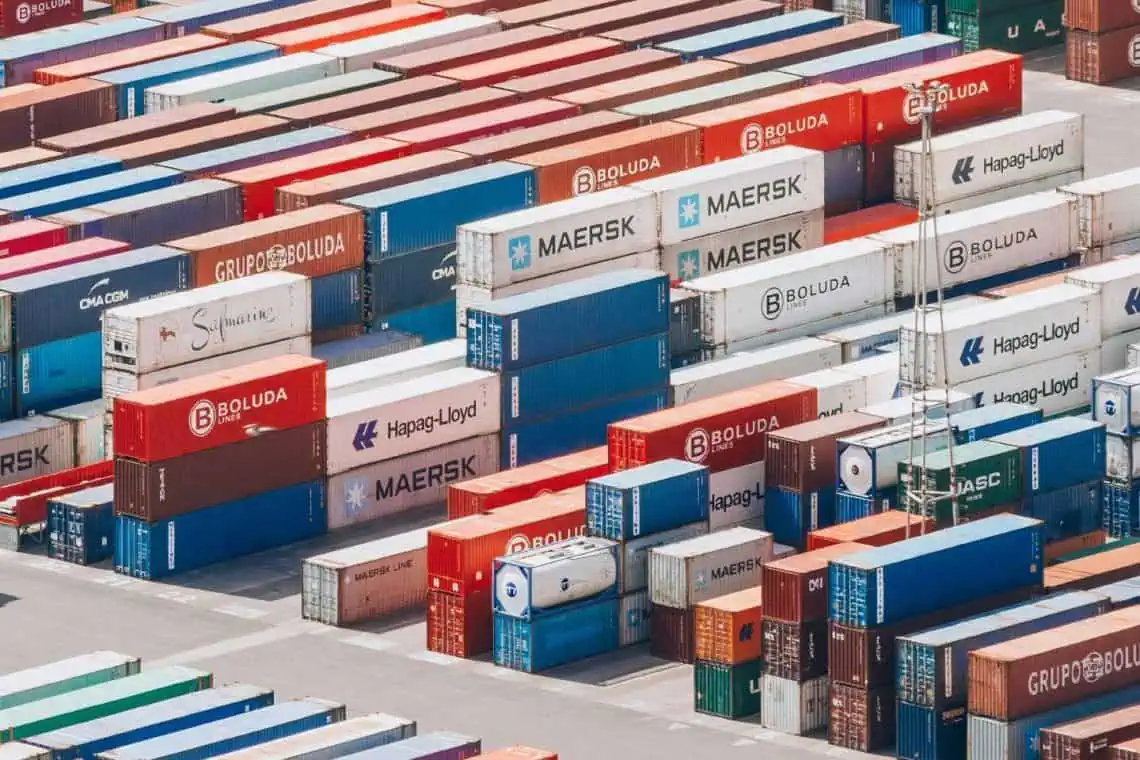

Estcourt Terminal: Rural Rail Revolution Ignites SA Growth
In the verdant heart of KwaZulu-Natal’s Midlands, where the N3 highway carves through lush farmlands long overlooked by urban sprawl, a transformative shift is gaining momentum. The Estcourt Intermodal Terminal (EIT) emerges not merely as a logistics node, but as a vital artery revitalizing rural South Africa. While metropolitan hubs like Johannesburg and Durban dominate freight flows, EIT is poised to redistribute opportunities, injecting efficiency, employment, and economic vitality into peripheral communities. This initiative challenges the entrenched urban logistics dominance that has marginalized rural regions for decades. Fully operational since March 2024, EIT’s intermodal framework is already delivering substantial cost reductions and fostering optimism across KZN’s inland expanse.
Why Estcourt Intermodal Terminal Redefines Freight Efficiency
Strategically positioned at the intersection of the N3 highway and the vital Durban-Johannesburg rail line, the Estcourt Intermodal Terminal represents South Africa’s inaugural fully functional intermodal freight village. Repurposed from the defunct Masonite board manufacturing site, EIT fills a longstanding void in the supply chain: it lies 567 km by rail from Gauteng’s dynamic City Deep container terminal and a mere 176 km from Durban’s bustling Bayhead rail hub. This meticulously chosen locale maximizes operational synergies, optimizing flows in the nation’s premier freight corridor.
EIT’s intermodal prowess lies in its fluid integration of road and rail modalities, countering South Africa’s skewed freight paradigm where roads shoulder over 85% of volumes compared to rail’s scant 14% share. Daily, approximately 7,000 trucks navigate the N3, ferrying 27.5 million tons of cargo yearly—a volatile mix breeding gridlock, heightened accident risks, and escalating expenses. EIT mitigates these pressures by enabling seamless cargo handoffs: inbound loads from Gauteng trucks transfer to rail for the demanding descent to Durban, circumventing gradients that inflate fuel consumption by up to 50% of total haulage outlays. Consequently, logistics expenditures to the port could plummet by half, cementing EIT’s role in resurrecting rural economic vitality.
This efficiency stems from EIT’s core design: a secure, expansive facility tailored for multimodal transfers. Trucks laden with containers arrive, unload onto waiting rail wagons, and depart with backhauls sourced on-site—curtailing empty miles that plague the industry. Rail’s inherent advantages—bulk capacity, lower emissions, and resilience against road perils—amplify these gains, potentially reclaiming market share from overburdened highways. As South Africa’s export ambitions intensify amid global trade volatilities, EIT’s model offers a scalable blueprint for sustainable freight evolution.
Milestones: From Pilot Runs to Operational Excellence
EIT’s ascent commenced with a pivotal test train in November 2023, culminating in its formal inauguration in March 2024. Presently, it commands three weekly rail slots via Transnet Freight Rail to Durban, with concrete pathways to escalate to three daily services—emblematic of thriving public-private synergies. “We’ve yet to miss a single vessel at the port,” affirms EIT Group CEO Wessel Jacobs, highlighting the terminal’s unwavering dependability.
Phase one, encompassing a 60,000 m² expanse, is now fully realized and calibrated for pristine commodities such as consumer packaged goods and temperature-sensitive perishables. Future blueprints brim with ambition: augmenting the primary site while inaugurating a secondary terminal on an adjacent 500-hectare tract dedicated to bulk minerals and “dirty” cargoes. This bifurcated approach averts contamination hazards, elevates throughput capacities, and vaults EIT toward multi-billion-rand stature in regional logistics.
Complementing its physical infrastructure, EIT’s gated precinct dispenses premium ancillary offerings: warehousing at rates dwarfing urban premiums, refrigerated vaults safeguarding KZN’s agrarian yields, and real-time digital traceability minimizing unproductive truck voyages. Inbound haulers frequently secure outbound assignments immediately, cultivating symbiotic networks that permeate local supply ecosystems. These innovations not only streamline operations but also cultivate ancillary industries, from repair depots to fuel services, weaving EIT into the fabric of everyday commerce.
Catalyzing Rural Renewal: Employment and Broader Ripples
For Estcourt, a locale battered by closures of icons like Masonite, Estcourt Meats, Nestlé, and Clover amid recessions and the COVID-19 scourge, EIT materializes as a panacea. Its socio-economic charter champions community resurgence through targeted upskilling programs and nurturing satellite enterprises—trucking outfits, dining venues, and service workshops. Forecasts predict thousands of direct and spillover positions, dovetailing seamlessly with national rejuvenation agendas.
On a macro scale, facilities like EIT equalize logistics access, dismantling barriers that have ensnared rural producers. Elevated tariffs and deficient connectivity historically condemn farm outputs to spoilage and nascent factories to irrelevance. EIT rebuts these inequities by forging hinterland conduits, invigorating dormant rail spurs for inclusive proliferation. The uThukela District’s bountiful orchards, pastoral expanses, and nascent eco-tourism veins are primed for amplification, interlinking logistics with value-added agro-industries and heritage circuits.
CFO Manka Sebastian illuminates the cascading dynamics: “A 30-50% logistics uplift could neutralize global tariffs, turbocharging outflows from hinterland bastions.” In a landscape where conveyance devours 45% of import bills—eclipsing Europe’s 10% benchmark—such optimizations could galvanize rural South Africa’s dormant vigor. By slashing these burdens, EIT empowers smallholders to access premium markets, bolstering food security and curbing urban migration. Moreover, its emphasis on green modalities—rail’s lower carbon profile—aligns with national sustainability mandates, positioning rural KZN as a vanguard in eco-conscious trade.
The terminal’s ripple effects extend to skill ecosystems, where vocational academies could sprout to train youth in crane operations, inventory tech, and supply chain analytics. This human capital infusion not only sustains EIT but seeds entrepreneurship, from bespoke packaging firms to drone surveillance startups. In essence, EIT transcends logistics; it architects resilient communities, where economic nodes flourish symbiotically with natural endowments.
Dismantling Urban Freight Hegemony
South Africa’s logistics saga has disproportionately anointed urban titans, consigning rural KZN enclaves like Estcourt to periphery. Overloaded harbors, fraying tracks, and road-centric paradigms exacerbate disparities, with countryside denizens enduring premium pricing and employment voids. EIT shatters this monopoly by dispersing logistics prowess, evidencing that agrarian outposts can eclipse metros in velocity and affordability.
Inspired by Eastern Europe’s triumphs, EIT’s holistic paradigm fuses roadways, railways, and storage silos into a cohesive ecosystem, curtailing emissions and pavement degradation. It furnishes a template for policy metamorphosis: rehabilitate feeder lines, nurture public-private consortia, and seed interior depots to harmonize urban-rural fluxes. As Transnet liberalizes rail access, EIT spotlights private acumen’s capacity to salvage communal assets, heralding a democratized freight epoch.
This decentralization fosters regional equity, channeling investments into underserved districts and mitigating urban congestion’s societal toll. By empowering locales to process and dispatch goods proximally, EIT curtails dependency on distant hubs, enhancing supply chain resilience against disruptions like pandemics or strikes. Ultimately, it reimagines freight as a unifier, bridging divides to forge a cohesive national tapestry.
Navigating Hurdles: EIT’s Resilient Trajectory
Yet, no paradigm shift evades obstacles. Transnet’s rail rehabilitation—demanding R80 billion and a decade-long odyssey—looms as a specter, though EIT’s pacts for exclusive slots and fortified safeguards temper vulnerabilities. Vigilance against KZN’s security flux is non-negotiable, with round-the-clock patrols safeguarding assets and personnel.
Prospectively, EIT aspires to embed within pan-African conduits, syncing with the African Union’s Programme for Infrastructure Development in Africa (PIDA) to tether KZN to continental commerce. Technological infusions—AI-driven monitoring, blockchain-secured clearances—will hone EIT’s edge, magnetizing multinational stakeholders to this pastoral powerhouse.
Regulatory alignments and cross-border protocols will further amplify EIT’s scope, potentially spawning satellite hubs in neighboring realms. Collaborative ventures with tech innovators could yield predictive analytics, preempting bottlenecks and refining routing. Amidst these evolutions, EIT’s commitment to inclusivity endures, reserving quotas for women-led enterprises and youth cooperatives in its vendor rosters.
EIT: Beacon for Equitable South African Prosperity
The Estcourt Intermodal Terminal transcends bricks and rails; it embodies a clarion for balanced advancement. By eroding urban freight prejudices, kindling livelihoods, and fortifying rural sinews, EIT recasts logistics as an equalizer in KZN and afar. As its horizons broaden, this Midlands nexus may catalyze a pan-national pivot—affirming that genuine strides burgeon not in metropolitan gloam, but in heartland rhythms. In the throes of trade skirmishes and endogenous resurgence, EIT’s precision isn’t peripheral; it’s indispensable, charting a trajectory where every locale thrives in interconnected splendor.