


SA’s Tourism Boom Ignites 14-Year High Confidence
In a landscape long shadowed by economic headwinds, South Africa’s business confidence has erupted into a dazzling surge, reaching a 14-year peak of 132.3 in November 2025. This dramatic leap from October’s 123.8 marks the highest point since 2011, propelled primarily by an unprecedented tourism boom 2025 that’s injecting vitality into the nation’s veins. As the festive season approaches, whispers of an economic optimism ripple through boardrooms and markets alike. But is this SA business confidence November spike a genuine harbinger of rebound, or merely a seasonal sparkle destined to dim? Let’s unpack the data, drivers, and dilemmas behind this buoyant moment, exploring how structural reforms and global shifts are shaping the path ahead.
Unpacking the Surge: What the Numbers Reveal
The South African Chamber of Commerce and Industry (SACCI) Business Confidence Index (BCI) doesn’t mince words—November’s reading of 132.3 signals a robust shift in sentiment. Compiled biennially, this composite gauge draws from critical indicators like turnover, new orders, merchandise exports, import volumes, and the rand-dollar exchange rate. The 8.5-point jump underscores a palpable uptick in business optimism, with tourism emerging as the undisputed star.
Yet, this isn’t isolated euphoria. Complementary surveys echo the positivity: the RMB/BER Business Confidence Index climbed to 44 in Q4 2025, three points above its long-term average, with 44% of respondents—spanning manufacturers, retailers, and wholesalers—expressing satisfaction with prevailing conditions. Retail sentiment, in particular, rebounded sharply by 11 points to 43, buoyed by resilient festive sales volumes. Wholesalers, too, notched a four-point gain to 42, fueled by brisk demand for industrial supplies. Manufacturers saw the most dramatic lift, surging 16 points to 39, their highest since 2022, reflecting cautious hope amid easing costs and stable supply chains.
Against a backdrop of Q3 GDP growth slowing to 0.5% from 0.9%, these figures paint a picture of sentiment outpacing hard metrics—a classic precursor to broader recovery, if sustained. The National Treasury’s forecast of 1.2% annual growth for 2025 tempers expectations, but the momentum hints at untapped potential. This divergence highlights a key tension: while confidence soars, translating it into tangible output requires addressing bottlenecks like logistics and energy reliability. Recent data from Statistics South Africa shows nine out of ten industries expanded in Q3, with mining up 2.3% and agriculture recovering 1.1%, yet utilities contracted 2.5%, underscoring persistent vulnerabilities.
The Tourism Tsunami: Fueling SA’s Economic Optimism
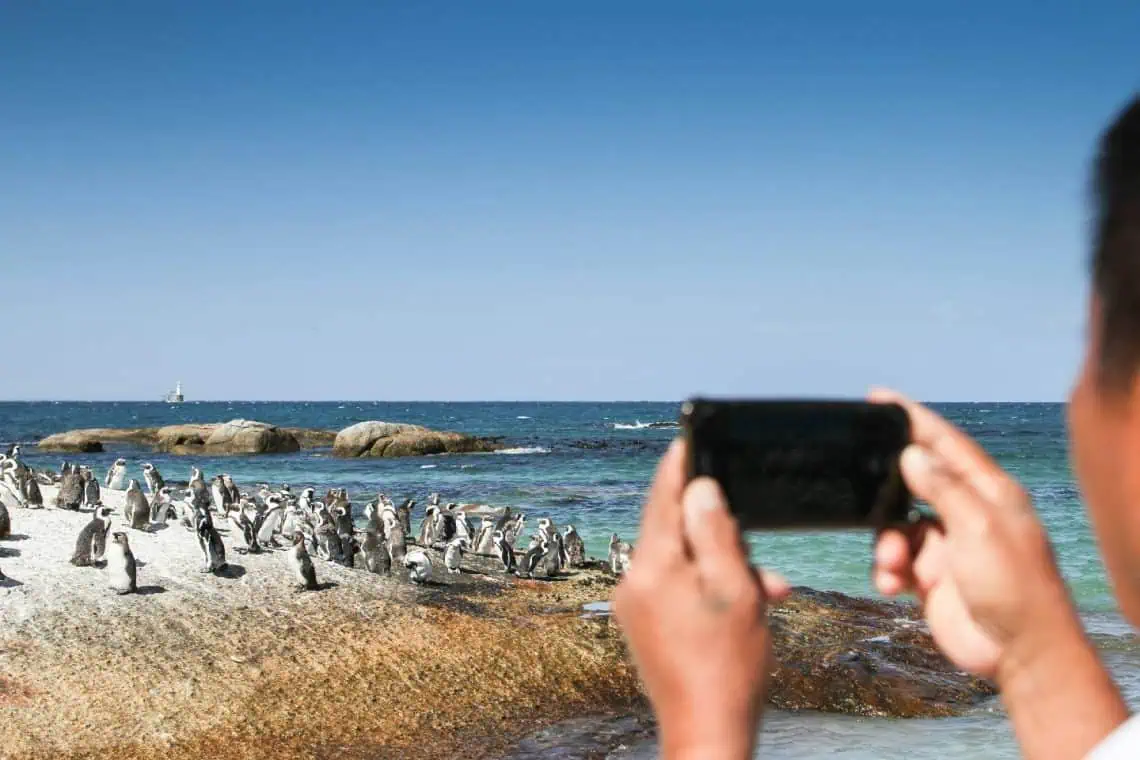
At the heart of this tourism boom 2025 lies a tidal wave of international arrivals, shattering records and reshaping economic narratives. From January to September, South Africa welcomed 7.63 million visitors—a staggering 1.1 million more than the prior year, capping a 17% surge that positions the Rainbow Nation as Africa’s tourism frontrunner. September alone drew 846,367 tourists, up 26.9% year-on-year, with projections for full-year totals eclipsing 10 million.
Cape Town and Gauteng spearhead the charge. The Mother City’s bookings for the 2025 season are overflowing, driven by its iconic Table Mountain vistas and burgeoning eco-adventures. Gauteng, meanwhile, anticipates record foreign spending, leveraging events like music festivals and cultural expos to lure crowds. The UK’s 8% visitor spike—reaching 90% of pre-pandemic levels—exemplifies European enthusiasm, while Asia’s rebound, with Japan’s arrivals up 31.8% to 17,370, adds global flair. African markets, too, contribute significantly, with intra-continental travel up 12%, bolstered by improved air links and visa facilitations.
This influx isn’t mere footfall; it’s economic alchemy. Tourism now anchors 8.8% of GDP and sustains 1.68 million jobs, per World Travel & Tourism Council estimates. Spillover effects ripple through hospitality, retail, and transport, with overseas numbers directly boosting SACCI’s index. Enhanced air connectivity—new routes from Delta, Air France, and United—coupled with visa waivers like the Ghana accord, has streamlined access. Add accolades like Kruger National Park’s Lonely Planet nod and South Africa’s gold for nature tourism at WTM London 2025, and the sector’s star is ascendant. Moreover, the tourism surge has indirect benefits, such as increased demand for local crafts and cuisine, supporting small businesses in rural areas and fostering community-led initiatives that promote sustainable practices.
Ripples of Rebound: Broader Economic Optimism Takes Root
The economic rebound 2025 narrative extends beyond beaches and safaris. SACCI attributes secondary lifts to global financial assessments, including a stabilizing rand and commodity price resilience. The SARB’s 25-basis-point November cut, alongside 150 basis points trimmed since September 2024, has eased borrowing costs, bolstering consumer spending power amid 3.6% October inflation.
Structural tailwinds amplify the vibe: S&P’s credit upgrade post-FATF grey list exit slashed perceived risks, narrowing bond yield spreads. Private sector inroads in ports and rail promise logistics efficiencies, while the two-pot retirement system’s R40 billion household withdrawals sparked early-year consumption. OECD projections eye moderate 1.3-1.4% growth in 2025-26, accelerating to 1.8% by decade’s end via investment surges. Even the IMF nods to resilience amid global tariffs, forecasting 1.3% expansion driven by private consumption. These forecasts, while modest, reflect a consensus on gradual improvement, with the IMF highlighting South Africa’s potential to leverage renewable energy transitions for export diversification.
Sectoral snapshots reveal breadth: agriculture’s Q4 recovery propelled 0.6% GDP gains, while mining and manufacturing eye export booms from firm commodity prices. Unemployment dipped to 31.9% in Q3, hinting at job creation’s trickle-down from tourism’s 17% arrivals growth. This employment uptick, the first meaningful decline in over a year, adds 248,000 jobs quarter-on-quarter, particularly in services and trade, signaling that confidence is beginning to manifest in hiring intentions.
Caution in the Currents: Is This Surge Sustainable?
For all its glitter, SACCI urges restraint: “Real economic activity must align with financial expediency for sustainable confidence.” Q3’s 0.5% growth lag underscores the gap—only four of ten sectors expanded in Q1, with mining and manufacturing drags persisting. Persistent hurdles loom large: 31.9% unemployment, infrastructure deficits, labor rigidities, and spatial inequalities stifle potential. Elevated public debt and governance woes, per IMF insights, curb shock absorption. Despite progress, youth unemployment lingers at 58.5%, demanding targeted skills programs to bridge the gap between education and employability.
External tempests add peril. US tariffs at 10%—despite mineral exemptions—cloud exports, while rand volatility and geopolitical flux (e.g., AGOA risks under new US policies) breed uncertainty. Consensus polls peg 2025 GDP at a modest 1%, with Deloitte warning of suboptimal trajectories sans infrastructure leaps. The BER advocates doubling down on reforms: credible NPA/SARS leadership, anti-corruption bulwarks, and Zondo Commission implementations to cement gains. Without these, the fragile recovery risks stalling, as evidenced by subdued fixed investment, which contracted 1.7% in Q3 despite overall growth.
Inflation’s creep to 3.6% in October, alongside food price spikes, tests the SARB’s 3% target. Without bridging sentiment-reality chasms, this boom risks fizzling, per BER’s call to seize momentum. Food inflation, at 3.9%, remains a household pain point, exacerbated by drought risks and supply chain disruptions, necessitating agricultural resilience investments.
Charting the Path Forward: From Festive Spark to Enduring Flame
As December’s festivities dawn, South Africa’s economic optimism feels like a well-earned reprieve. The tourism-fueled BCI peak isn’t just numbers—it’s a clarion for stakeholders. Policymakers must prioritize electricity/water fixes, export diversification (mining forefront), and inclusive growth to match sentiment with substance. The Operation Vulindlela reforms, focusing on energy unbundling and rail open-access, could unlock R200 billion in investments over five years, transforming logistics from a drag to a driver.
Businesses, eyeing the 44-point RMB/BER lift, should invest in skills for green transitions and MICE infrastructure, capitalizing on G20’s spotlight. For consumers, lower rates and steady arrivals promise pocket-friendly holidays, but vigilance against inflation’s bite is key. Emerging trends like digital tourism platforms and sustainable eco-lodges offer niches for innovation, potentially adding 500,000 jobs by 2030 if scaled effectively.
Ultimately, this 14-year high beckons a pivotal choice: nurture the boom into a bedrock rebound, or let it lapse into lore. With Africa’s 10% tourism surge leading global recovery—Egypt, Morocco, and peers in tow—South Africa stands poised. The festive season may save the quarter, but only bold, sustained action will secure the decade. In this dance of data and dreams, the rhythm of SA business confidence November pulses with promise—now, to make it last. As the BER aptly notes, seizing this momentum through leadership in anti-corruption and infrastructure could propel growth toward 2%, ensuring the spark ignites a lasting flame for generations to come.