

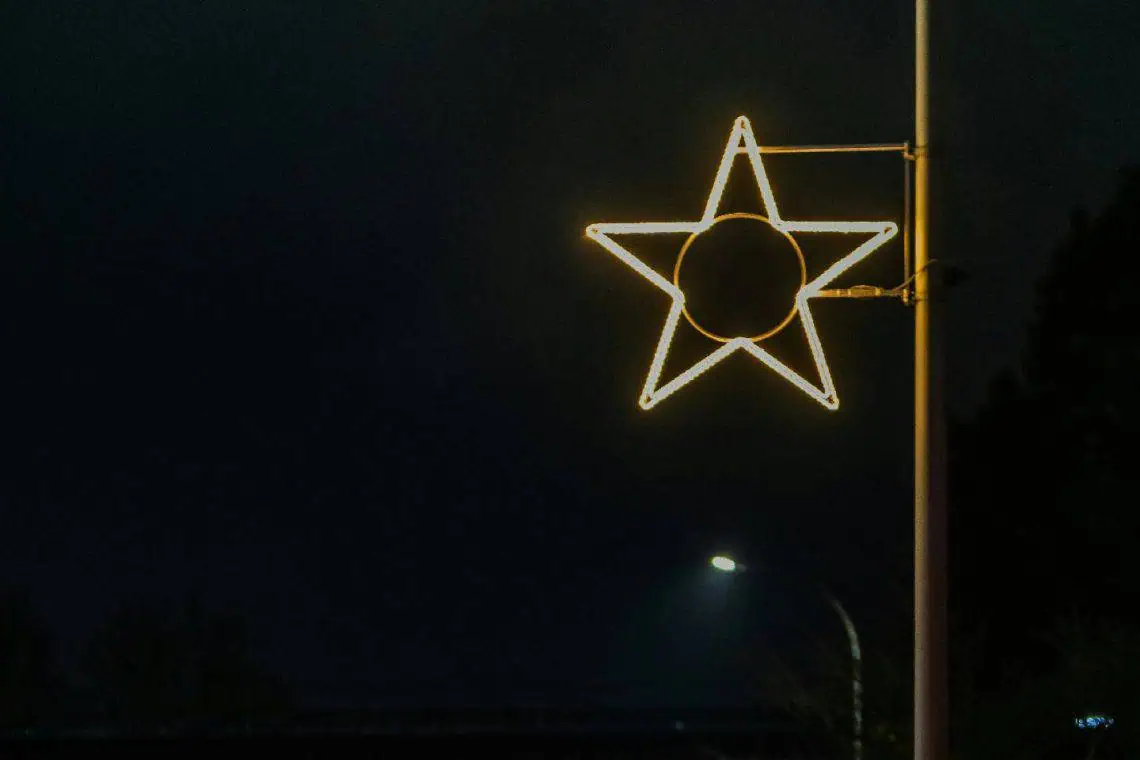

Cape Town’s iconic Adderley Street festive lights remain a beloved highlight of the holiday season, attracting thousands to the annual switch-on event. In 2025, however, the tradition sparked significant controversy, with accusations that the City of Cape Town had removed traditional Christian symbols from the display. This led to outrage from political parties, religious leaders, and parts of the public, igniting debates about cultural heritage, religious representation, and inclusivity in a multicultural society.
The debate intensified in mid-December 2025, following the Festive Lights Switch-On on November 30. The African Christian Democratic Party (ACDP) spearheaded the criticism, condemning the City for allegedly excluding key Christian icons such as the baby Jesus, Mary, and angels from the Adderley Street decorations.
In a formal statement, the ACDP expressed “deep outrage and profound disappointment,” arguing that the decision undermined the religious and cultural significance of Christmas for South Africa’s Christian majority, which constitutes approximately 85% of the population. The party demanded an immediate apology from the City and the reinstatement of the symbols, describing the move as “an affront to the majority of citizens.”
ACDP representatives, including Councillor Mongezi Mabungane, reinforced this stance, stressing that Christmas celebrations traditionally center on the birth of Christ. They viewed the absence of these symbols as an unacceptable erasure of deeply held heritage and faith traditions.
The City’s Defense and Design Choices
The City of Cape Town quickly refuted the claims, insisting that no deliberate decision had been made to remove Christian or religious symbolism. Officials stated explicitly that elements like angels, Mary, and the baby Jesus were incorporated into the 2025 display.
According to the City, this year’s design incorporated a variety of icons representing Cape Town’s unique identity, including Table Mountain, penguins, Kaapse Klopse performers, bells, and wings. The heavy emphasis on Kaapse Klopse—a vibrant minstrel carnival tradition tied to the January 2 Tweede Nuwe Jaar celebrations—contributed to perceptions that Christian nativity elements were deprioritized or less prominent than in previous years.
The event has been branded as “Festive Lights” rather than “Christmas Lights” for several years to embrace Cape Town’s diverse population and faiths. The 2025 theme, “United in Hope,” aimed to foster inclusivity by blending local cultural motifs with broader festive elements, reflecting the city’s cosmopolitan character.
Critics, however, interpreted the shift as a form of secularization that diluted the Christian essence of the holiday. Some compared the 2025 display to earlier versions that featured more prominent nativity scenes, fueling the narrative of intentional exclusion despite the City’s assurances.
Public Reaction and Divided Views
The issue rapidly gained momentum on social media and in local media outlets, with many residents voicing frustration. Phrases like “You can’t take the Christ out of Christmas” captured widespread sentiment among those who felt the display should prioritize Christian traditions.
Public opinion was notably split. Supporters of the City’s approach praised its inclusivity, pointing out that the lights have historically brought together people from all backgrounds—Christian, Muslim, Jewish, Hindu, and others. One social media user noted that the display “has always united all of us, no matter where you are from,” emphasizing its role in bridging communities.
This polarization reflects ongoing tensions in diverse societies: how to honor majority traditions while ensuring minority groups feel included. In South Africa, where Christianity predominates but religious and cultural diversity is increasing, public celebrations often become flashpoints for these discussions.
The controversy also highlighted differing interpretations of the display itself. While complainants perceived a lack of traditional Christian imagery, the City maintained that religious elements were present, suggesting that varying expectations and visibility played a role in the backlash.
Historical Context of the Tradition
Cape Town’s festive lights tradition spans over five decades, evolving from a primarily Christmas-oriented event into a broader celebration of the summer festive season. The switch-on features live performances, parades, and illuminations that draw massive crowds, enhancing tourism and fostering community bonds.
Over time, the display has adapted to incorporate more elements of local culture, such as the Kaapse Klopse, which celebrates Cape Town’s rich minstrel heritage rooted in the coloured community. This evolution mirrors the city’s efforts to represent its multifaceted identity in public spaces.
Despite the 2025 debate, the lights continued to illuminate Adderley Street, delighting visitors and residents alike. The City underscored the event’s unifying purpose, promoting hope and togetherness amid diversity.
Whether this episode prompts adjustments in future designs is uncertain, but it has undoubtedly sparked vital conversations about symbolism in shared public celebrations. In a city renowned for its cultural vibrancy and complexity, navigating tradition and inclusivity remains an ongoing challenge.
The 2025 festive lights controversy serves as a poignant example of how symbols—whether present, prominent, or perceived as absent—can illuminate deeper societal values and divisions, sparking dialogue long after the lights dim.
As Cape Town continues to grow and diversify, events like the Festive Lights Switch-On will likely keep evolving, balancing heritage with the realities of a pluralistic society. This incident reminds us that public festivities are more than decorations; they reflect collective identity and aspirations.