

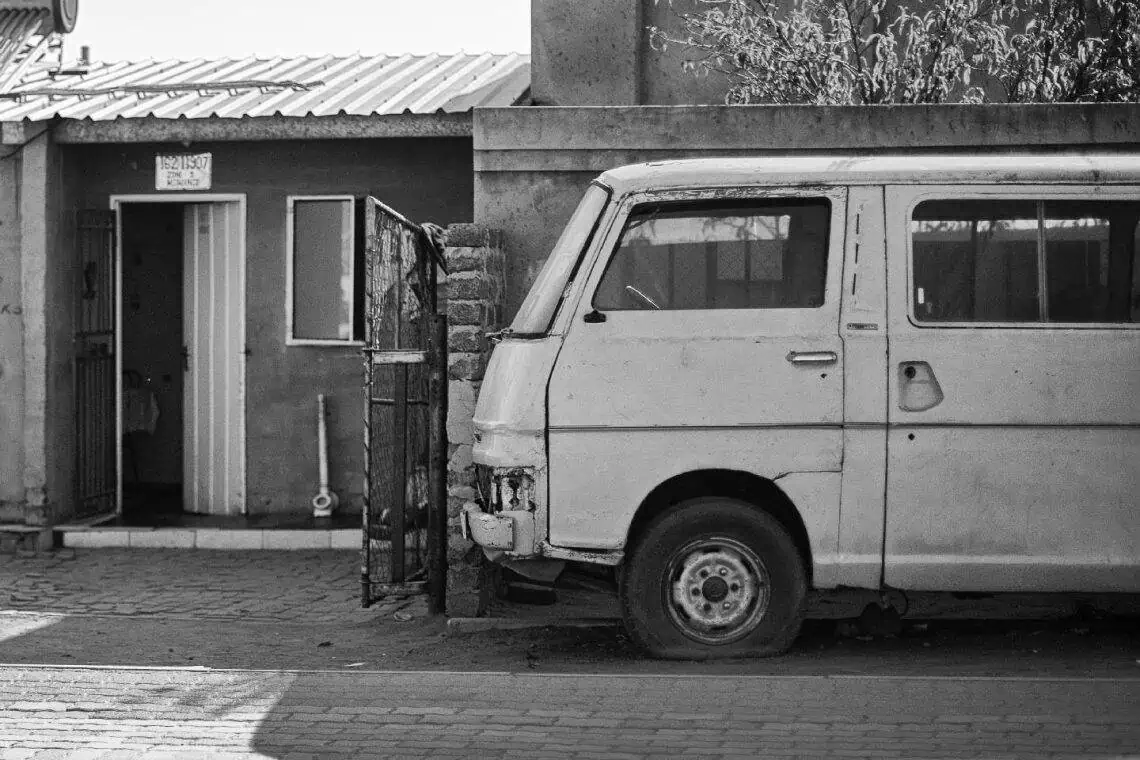

In the early hours of December 21, 2025, tragedy struck the KwaNoxolo tavern in Bekkersdal township, west of Johannesburg. Around 12 gunmen arrived in a white minibus and a silver sedan, storming the licensed establishment and opening fire on patrons. They continued shooting indiscriminately as they fled, killing nine people and injuring at least ten others, including victims gunned down on the street and a passing e-hailing driver.
Police described a chaotic and horrific scene, with bodies scattered inside the tavern, outside on the road, and further away. A massive manhunt, led by Gauteng’s Serious and Violent Crimes unit, is underway, though no suspects have been arrested and the motive remains unclear. Authorities suspect possible ties to organized crime, a recurring factor in such attacks.
This incident marks the second mass shooting at a drinking venue in South Africa this month. On December 6, 2025, gunmen attacked an illegal shebeen in a hostel in Saulsville, near Pretoria, killing 12 people—including three children aged 3, 12, and 16—and injuring 13 others. That attack also appeared to involve targeted violence escalating into random shootings.
Together, these December tragedies have claimed 21 lives, highlighting a persistent and deadly pattern of violence centered on taverns and shebeens—informal or unlicensed drinking spots that serve as community social hubs but frequently become targets for gang-related conflicts, protection rackets, and disputes in the illicit liquor trade.
South Africa’s Enduring Gun Violence Crisis
South Africa continues to battle one of the highest homicide rates globally. In 2024, over 26,000 murders were recorded—averaging more than 70 per day—with firearms as the primary weapon in most cases. Despite strict gun control laws enacted in the early 2000s, illegal firearms proliferate through criminal networks, leaking from legal sources or smuggled across borders.
Experts like Chandré Gould from the Institute for Security Studies emphasize how gangs employ intimidation and lethal force to maintain control, often striking in crowded public venues like taverns to maximize impact or eliminate rivals.
The country has endured numerous high-profile mass shootings in recent years. In 2022, a tavern attack in Soweto claimed 16 lives, part of a night that saw multiple bar shootings across provinces. The 2024 Lusikisiki massacre, where 18 family members were killed in a rural homestead, further demonstrated the widespread reach of such violence beyond urban areas.
Law enforcement has intensified efforts against illegal drinking outlets. Nationwide operations have led to thousands of closures and arrests for unlicensed liquor sales, which often fuel associated crimes. Yet, these venues persist in underserved communities, drawing crowds and inadvertently attracting criminal elements.
Why Taverns Become Deadly Targets
In many townships, taverns and shebeens fill a vital role as affordable social spaces in areas with few recreational alternatives. They offer camaraderie, music, and escape, but the combination of alcohol, crowded environments, and readily available illegal guns creates a volatile environment.
Many incidents start as targeted assassinations—perhaps over gang turf or extortion demands—but devolve into indiscriminate firing, endangering innocent patrons and bystanders. Organizations like Gun Free South Africa have tracked an uptick in mass shootings (four or more victims) in recent years, with drinking establishments disproportionately affected.
Underlying socioeconomic challenges amplify the problem: soaring unemployment, deep inequality, and poverty create fertile ground for gangs to recruit and operate. Competition in the unregulated alcohol market sparks fierce rivalries, often settled with gunfire.
Communities in places like Bekkersdal and Saulsville live with the constant threat of such eruptions, where a night out can turn fatal without warning.
Ongoing Efforts to Stem the Tide
Responses from authorities include heightened policing, increased visible patrols in hotspot areas, and appeals for community tips to aid investigations. Political parties, including the Democratic Alliance, have pushed for dedicated task forces to probe recent Gauteng incidents.
Longer-term strategies focus on bolstering firearm registries, combating corruption in licensing processes, and supporting community-led violence prevention initiatives. Removing illegal guns from circulation and disrupting organized crime networks remain top priorities.
While some quarterly crime statistics have shown modest declines in murders and certain violent categories, rising kidnappings and adaptive criminal tactics indicate the battle is far from won.
The back-to-back December tavern shootings are a grim reminder of the urgent need for comprehensive action. As grieving families bury their loved ones, South Africa must confront the devastating human cost of unchecked gun violence in its most vulnerable communities, working toward safer spaces where people can gather without fear.
This crisis demands sustained commitment from government, law enforcement, civil society, and communities alike to dismantle the cycles of violence and build a more secure future.