

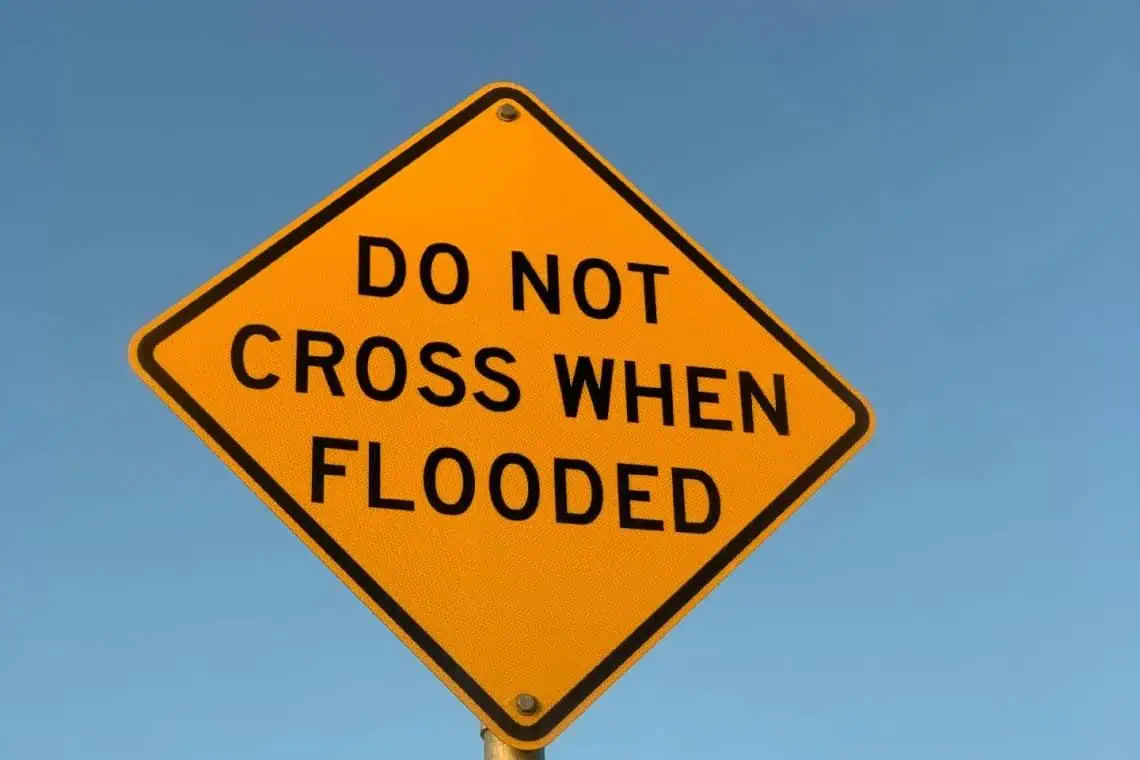

The Western Cape braces for a significant rainfall event as the South African Weather Service (SAWS) issues a Yellow Level 2 warning. From October 24 to 26, 2025, expect heavy showers, gusty winds, and potential localized flooding in low-lying neighborhoods and along the Atlantic coast. Influenced by emerging La Niña patterns, these storms could swell rivers, overwhelm stormwater systems, and challenge communities still recovering from past floods.
Cape Town’s October weather is usually mild, but a slow-moving cold front from the south will intensify conditions this weekend. Meteorologists predict scattered thunderstorms on Friday, escalating to widespread heavy rain over the weekend.
Friday, October 24: Expect clouds by midday, with a 60% chance of showers turning into steady rain by evening. Rainfall may reach 10-20mm in urban areas, with south-westerly winds gusting to 40km/h. Daytime highs around 19°C, dropping to 14°C overnight.
Saturday, October 25: Peak of the event, with up to 50mm of rain possible in 24 hours. Thunderstorms could produce isolated hail in elevated areas. Winds up to 50km/h may cause minor coastal erosion. Daytime highs near 17°C, lows around 12°C.
Sunday, October 26: Rain begins to ease but may still deliver 20-40mm, keeping the ground saturated. Winds decrease to 30km/h, but cumulative rainfall could exceed 80mm, increasing flash flood risk in areas like Philippi and Khayelitsha.
The alert aligns with SAWS’s seasonal forecast of above-normal rainfall for the Western Cape. Coastal hotspots face added risks from high tides and pounding surf, potentially leading to beach closures and king tide warnings.
Cape Town’s topography—nestled between mountains and the ocean—makes it prone to flooding. Historical events, such as the 2022 floods causing R1 billion in damages, highlight the stakes. Informal settlements near rivers routinely experience rapid inundation even with moderate rainfall.
Extreme rainfall events have increased 15% over the past decade, with urban sprawl and rising sea levels amplifying impacts. Early 2025 storms in other provinces have already required Level 4 evacuations, signaling potential hazards for the Western Cape this weekend.
Flood Safety Essentials
Before the Rain: Clear gutters and drains, elevate valuables, stock a 72-hour emergency kit with food, water, medications, and first-aid supplies. Identify evacuation routes, check vehicles, and secure boats or beach equipment.
During the Storm: Avoid floodwaters—just 15cm can sweep a car, 60cm a person. Tune into official broadcasts, heed evacuation orders, unplug electronics, stay off beaches, and move to higher floors if necessary. Keep phones charged and pets secured.
After the Rain: Return home only after official clearance. Inspect for structural damage, gas leaks, and water safety. Clean and document property for insurance claims. Engage community resources for recovery, and consider long-term measures like planting indigenous vegetation and advocating for improved drainage.
The City of Cape Town and Western Cape Government have disaster teams on standby with pumps, barricades, and monitoring systems. SAWS provides hour-by-hour updates through apps and SMS services. Vulnerable communities will receive door-to-door briefings, while environmental groups highlight coastal erosion risks and the need for infrastructure upgrades.
Knowledge and preparation are key. With vigilant planning and community solidarity, residents can navigate the storms safely. After the deluge, calmer days and blue skies will follow.