

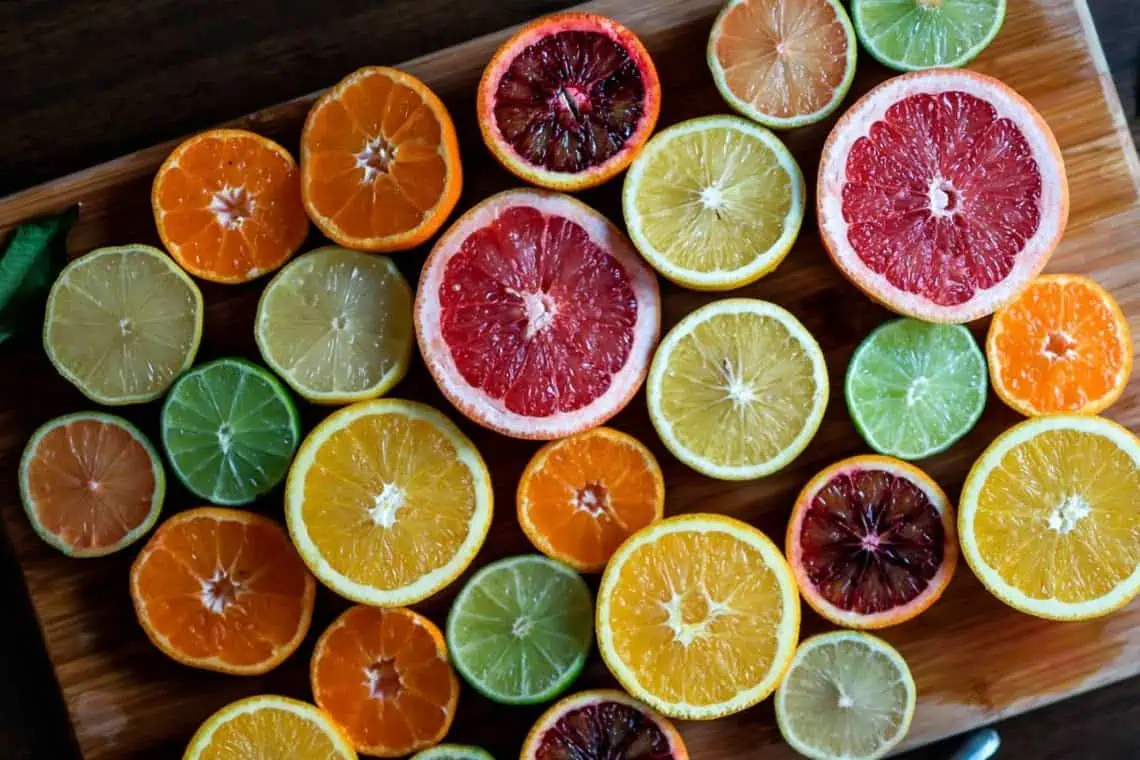

In the shadow of looming trade tariffs threatening South Africa’s citrus heartland, a beacon of opportunity emerged from last year’s BRICS Summit in Kazan. On October 24, 2025, South Africa signed landmark bilateral trade agreements unlocking vast markets for its oranges and cutting-edge tech innovations. These deals promise economic lifelines and a surge in jobs for Western Cape farmers and engineers alike. As global trade shifts, South Africa’s pivot to BRICS partners could redefine its export trajectory, turning potential peril into prosperity.
Kazan Foundation: Paving the Way for Deeper Ties
The 16th BRICS Summit in Kazan, Russia, from October 22–24, 2024, was a call for the Global South to forge resilient economic alliances amid geopolitical turbulence. Under the theme “Strengthening Multilateralism for Just Global Development and Security,” leaders from Brazil, Russia, India, China, South Africa, and new members emphasized trade in local currencies, reduced barriers, and expanded cooperation in agriculture and technology. For South Africa, the summit highlighted its strategic role as Africa’s gateway, with President Cyril Ramaphosa championing agro-processing and digital innovation as pillars of inclusive growth.
Fast-forward to October 24, 2025, and the fruits of Kazan are ripening. In a virtual signing ceremony hosted by the Department of Trade, Industry and Competition (DTIC), South Africa and Russia formalized two memoranda of understanding (MoUs). The first targets agricultural exports, slashing phytosanitary hurdles for South African citrus into Russia. The second accelerates tech transfers, focusing on software solutions and renewable energy technology. These agreements, valued at an initial R5 billion ($280 million) in projected first-year trade, stem from Kazan’s push for “BRICS+” integration, where partner countries were invited to deepen supply chain linkages.
Experts hail this as a strategic win. “Kazan set the stage for actionable bilateralism,” notes Dr. Wandile Sihlobo, chief economist at Agbiz. “While BRICS-wide tariffs remain a challenge, these targeted pacts bypass red tape, directly benefiting South African producers.” With Russia’s import needs increasing post-sanctions—citrus demand up 15% year-on-year—the timing couldn’t be sharper.
Citrus Surge: From Groves to Russian Tables
South Africa’s citrus industry, the nation’s second-largest agricultural earner at R33.9 billion ($1.8 billion) in 2023, has long been a Western Cape powerhouse. Oranges, lemons, and grapefruits support over 140,000 jobs nationwide, with the Western Cape alone hosting 70% of production. The October 24 pacts project a 25% export uplift to Russia by 2026.
Under the new MoU, Russia commits to fast-tracking approvals for South African citrus via dedicated ports in St. Petersburg, where bilateral fruit trade has already doubled since 2023. Historically, Russia accounted for just 2% of South Africa’s citrus within BRICS. Now, with quotas expanded to 100,000 tons annually—up from 40,000—farmers anticipate a windfall. “This isn’t just about volume; it’s quality access,” says Citrus Growers’ Association CEO Justin Chadwick. “Russian consumers crave our premium navels and valencias, free from stringent residue limits.”
The ripple effects include 5,000 new jobs in packing, logistics, and orchard expansion across the Western Cape. Smallholder farmers—many women-led cooperatives—stand to gain most, with government subsidies for cold-chain upgrades ensuring year-round supply. As one Paarl grower puts it, “We’ve weathered droughts and loadshedding; now, BRICS is our hedge against market uncertainty.”
Tech Exports: Connecting South Africa to New Digital Frontiers
Beyond the groves, the pacts energize South Africa’s tech sector. The second MoU establishes a “BRICS Tech Corridor,” facilitating exports of South African software-as-a-service (SaaS) platforms and AI-driven agritech to Russian firms. Valued at R2 billion initially, this corridor leverages Kazan’s emphasis on digital cooperation, where BRICS nations pledged to harmonize data standards.
South Africa’s tech exports, currently at R15 billion annually, are poised for rapid growth. Companies are piloting ERP solutions for Russian agribusinesses, integrating blockchain for supply chain transparency. “Russia’s pivot to non-Western tech creates a blue ocean,” observes Silicon Cape’s Robin Lee. The agreement includes joint R&D hubs in Cape Town, potentially creating 3,000 high-skill jobs in coding, cybersecurity, and data analytics.
AI tools for precision farming—exported via the corridor—will optimize Western Cape yields, completing a sustainable export loop. South Africa’s dual expertise positions it as a hub for innovation within BRICS.
Job Horizons: Western Cape’s Green and Digital Renaissance
For the Western Cape, these pacts herald a dual renaissance. Citrus job growth could add 5,000 roles in rural areas, injecting R1.2 billion into local economies. Tech infusions promise another 3,000 positions, from startups to industrial parks, fostering a skilled workforce via BRICS-supported apprenticeships.
Provincial Premier Alan Winde projects a 10% GDP boost for agriculture and ICT by 2027, prioritizing youth and black-owned enterprises. Challenges remain—logistics costs and currency volatility—but mitigation funds from the DTIC ensure resilience.
Trade Diversification: Smart Moves Amid Global Tariffs
U.S. trade tariffs threaten South Africa’s exports, with a proposed 31% levy on citrus potentially affecting 35,000 jobs. South Africa’s response is a calculated pivot toward BRICS. Bilateral trade with Russia, up 7% to $864 million in 2024, offers a tariff-proof market. By diversifying from traditional Western markets, SA mitigates risks and gains strategic autonomy. As one analyst notes, “Sanctions on Russia opened doors we didn’t know existed.”
BRICS Gateway: Expanding South Africa’s Reach
BRICS partners amplify these gains with direct market access. Recent protocols greenlight South African stone fruits into larger markets, complementing citrus pathways. Investments in technology hubs turbocharge tech exports, with partners collaborating on 5G and agritech. Intra-BRICS trade now funnels value-added goods back to South Africa via integrated supply chains, enhancing volume, technology, and stability for Western Cape exporters.
As the dust settles on October 24, 2025, South Africa’s BRICS strategy gleams. These agreements weave citrus and tech into a tapestry of shared prosperity. In a world of fractured trade, Western Cape orchards and innovation labs stand as testaments to bold, borderless ambition.