

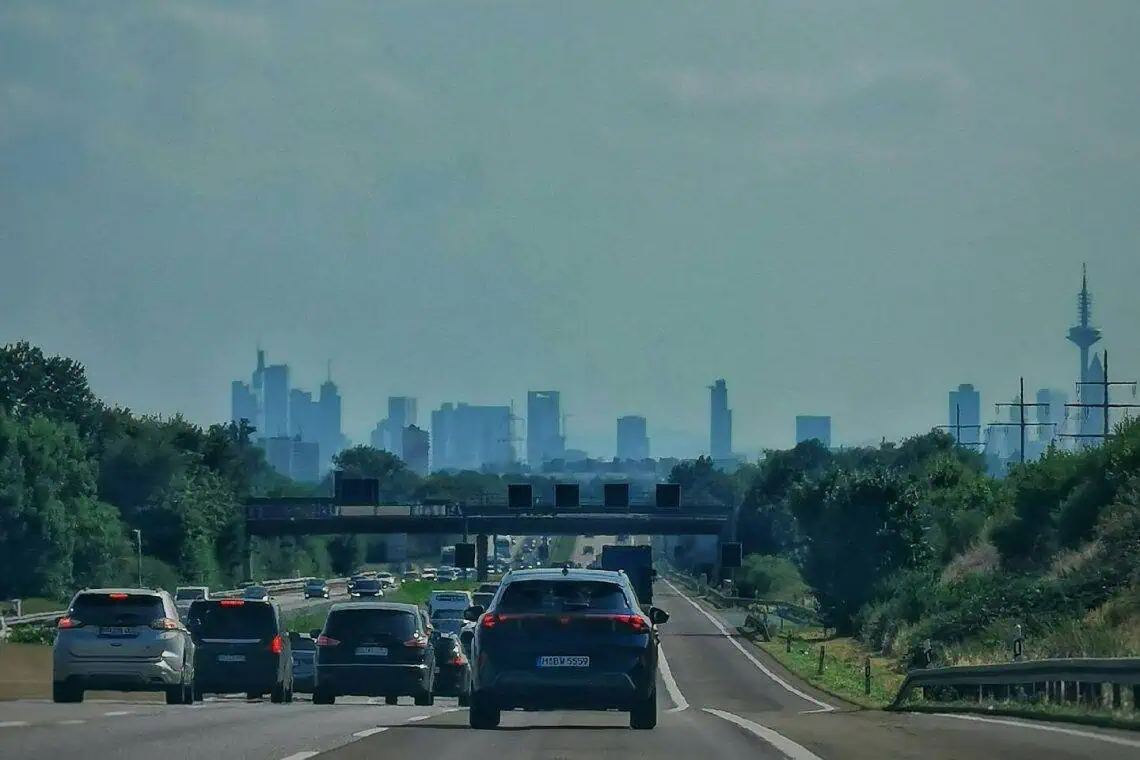

In Gauteng’s economic powerhouse, a routine G20 motorcade rehearsal spiraled into chaos. On October 24 and 25, 2025, Pretoria and nearby areas froze under simulated VIP convoys, trapping drivers in up to three-hour delays and raising urgent questions about readiness for the global spotlight.
The G20 Summit, scheduled for November 22-23, 2025, in Johannesburg, is a landmark for the continent—the first presidency by an African nation, representing 85% of global GDP. Under the banner “Solidarity, Equality and Sustainability,” leaders will tackle development, debt reform, and energy transitions. With delegates from 19 countries, the European Union, and guests like the African Union converging, the weekend’s disruptions fueled doubts: Can infrastructure handle the pressure, or will logistics overshadow the message?
The Rehearsal Breakdown: Roads Overwhelmed
Designed to test traffic control, security, and emergency response, the exercise closed key routes from 9:00 AM to 1:00 PM on Friday across the N1, N3, N12, M1, R21, R24, and R512 in Tshwane, Johannesburg, and Ekurhuleni. Links from OR Tambo International Airport to venues, including Rivonia Road, Grayston Drive, and the Golden Highway, were heavily affected. Saturday’s planned sessions (8:00 AM-10:00 AM and 1:00 PM-3:00 PM) were canceled after widespread backlash.
Reality exceeded simulations. Queues stretched kilometers; one motorist needed an hour for 500 meters in Woodmead, while the N1 South near Brakfontein shut completely. Overlap with the Ride Joburg cycling event closed more roads, creating choke points. Drivers resorted to U-turns on highways and risky maneuvers at high speeds. Beyers Naudé Drive and the N14 faced similar intermittent closures until 2:00 PM, overloading detours.
Social media captured standstill traffic and near-collisions. The Johannesburg Roads Agency and Gauteng Traffic Police issued advisories only Thursday evening, suggesting routes like the M57—far too late for most.
Public Outrage: Beyond “Hectic”
Frustration erupted online and in media. “Three hours for a 10-minute trip—preparing for leaders this way?” one commuter posted. Johannesburg Metro Police spokesperson Xolani Fihla noted the congestion backlash. Critics called it a “failure” that endangered thousands. Parents missed pickups, ambulances stalled, and businesses lost revenue. One observer saw officials idle while chaos unfolded.
Underlying issues—potholes, underinvestment, and service gaps—amplified the ordeal, highlighting priorities skewed toward optics over daily needs. With the summit approaching, fears grow of escalated disruptions.
Official Response: Progress or Excuses?
Authorities defended the exercise as essential. “It ensures heads of state travel without issues,” said Gauteng Traffic’s Obed Sibasa, citing early vulnerability detection and inter-agency coordination. Saturday’s cancellation allowed normal flow by evening.
Critics remain unconvinced, pointing to poor timing, communication, and routing. The R691 million G20 budget faces scrutiny amid local challenges. Over 100 preparatory events continue, but calls rise for AI traffic tools and better community engagement.
Stakes for the Spotlight: Resilience or Embarrassment?
This presidency offers a chance to reshape global perceptions of the continent. Hosting in Johannesburg underscores potential, yet the rehearsal exposed gaps that could deter investment or damage credibility.
Solutions include Gautrain expansion, real-time apps, and inclusive planning. With geopolitical tensions—like possible absences and currency debates—the pressure mounts to deliver seamless execution.
The chaos may prove a catalyst. Transforming gridlock into efficiency could define success, proving local fixes enable global impact.
Driver Survival Guide
Stay ahead: Track JRA and RTMC updates, travel off-peak, and use apps like Waze. Summit week will intensify measures—plan accordingly.