

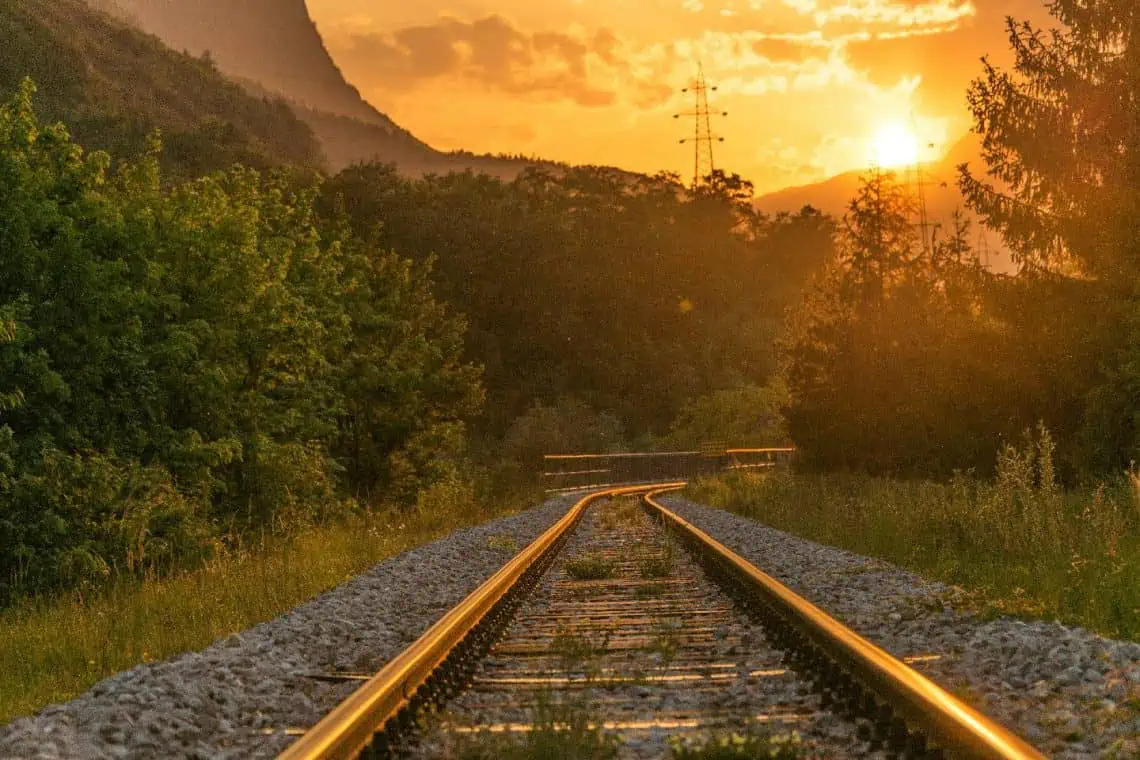

In a game-changing partnership set to overhaul South Africa’s logistics, SMH Rail and Transnet have signed an R8 billion deal to revive dormant freight lines across Gauteng. Led by entrepreneur Dipuo Mosana-Khumalo, this initiative promises 2,000 new jobs and a boost to the province’s trade and transport backbone.
Transnet’s Battle for Rail Efficiency
South Africa’s freight rail network has suffered from aging infrastructure, locomotive shortages, and operational delays, severely impacting industries like mining and manufacturing. In Gauteng, idle lines—some unused for over a decade—have contributed to billions in economic losses each year.
The turning point came in August 2025, when the government opened the sector to private operators, selecting 11 companies to compete with Transnet’s long-standing monopoly. Rail freight volumes had dropped 20% in recent years, prompting urgent reform. SMH Rail, a leading Malaysian rolling stock manufacturer, teamed up with Dipuo Mosana-Khumalo’s Leruo Star Holdings to lead the charge.
Dipuo Mosana-Khumalo: From Mining to Rail Pioneer
Dipuo Mosana-Khumalo’s shift from mining to rail innovation began a decade ago, driven by frustrations with unreliable transport for her operations. Her goal: build a black-owned leader in train manufacturing and operations, creating jobs through local production and remanufacturing.
By October 2025, following a key meeting with President Cyril Ramaphosa in Malaysia, she secured the R8 billion Transnet partnership. Combining SMH Rail’s advanced locomotives and maintenance technology—developed since its founding in 2000—with local expertise, the deal targets 500 kilometers of neglected tracks between Johannesburg and Pretoria.
Breaking Down the R8 Billion Deal
Over five years, the partnership will upgrade infrastructure, acquire 50 new locomotives, and deploy 1,000 specialized wagons. Upgrades include electrified lines, smart signaling to reduce delays by 40%, and alignment with Transnet’s R127 billion modernization program.
The deal will create 2,000 jobs in a province with 15% unemployment, supporting national goals for youth employment and infrastructure growth. Each direct rail job is expected to generate up to three additional roles in logistics, steel, and related industries.
Key Roles Powering the Revival
The project highlights three critical positions driving the rail comeback.
Welders: Rebuilding Tracks, Creating Opportunities
Welders will repair 200 kilometers of corroded tracks in the first phase, using advanced techniques like submerged arc welding. Many will be trained through partnership-funded programs at local TVET colleges, with 600 positions opening for new entrants.
Drivers: Steering Freight with Precision
Eight hundred drivers will operate upgraded trains equipped with AI routing and collision avoidance systems. Training prioritizes women and rural candidates, with starting salaries around R25,000 monthly plus performance bonuses.
Engineers: Innovating for the Future
Six hundred engineers will implement predictive maintenance, sustainable retrofits, and localized designs based on SMH Rail’s proven models. The partnership includes bursaries for 200 engineering students to build long-term expertise.
A Sustainable Rail Future
The initiative integrates green technology, including solar-powered signaling and biofuel-ready locomotives, targeting a 30% emissions reduction. Community trusts funded by 5% of profits will support skills development in underserved areas.
Challenges remain, including regulatory delays and workforce training gaps. While some unions express concerns over job security in private operations, evidence from similar projects in Africa shows improved efficiency and net job growth. Transnet has committed to strong labor oversight.
The deal positions Gauteng as a potential rail innovation hub, boosting exports and contributing up to 2% to provincial GDP growth within three years.
A New Era for Gauteng Rail
With refurbished trains set to roll in early 2026, this partnership marks a turning point. Reviving freight lines means more than moving goods—it means powering 2,000 careers and driving broader economic progress. In a region ready for momentum, these rails signal a stronger, more connected future.