

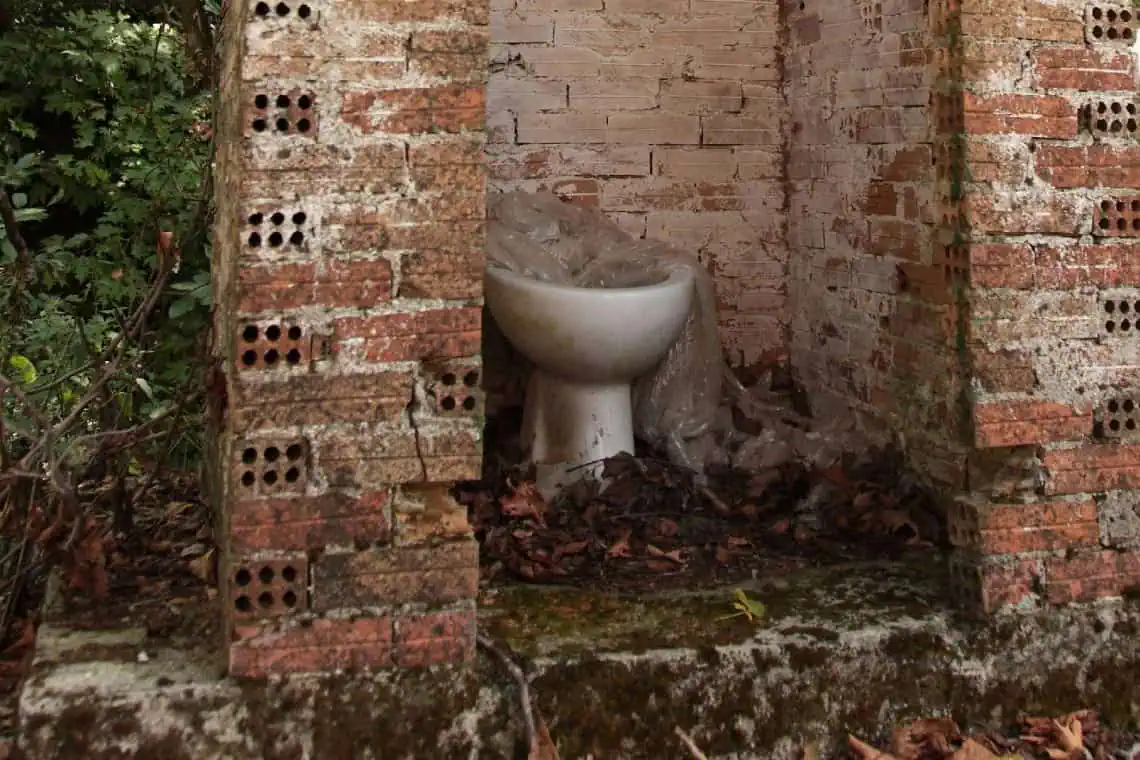

In the shadow of broken promises, three-year-old Unecebo Mboteni’s death haunts South Africa’s schools. On April 18, 2024, the energetic toddler from Mdantsane, Eastern Cape, fell into a pit toilet at Little Champions Day Care Centre and drowned the next day—a tragedy that was entirely preventable.12 Today, October 29, 2025, Amnesty International’s Write for Rights campaign puts his story front and center, galvanizing families, activists, and educators to demand swift change. Why do these deadly pits linger, and what proven solutions can end the nightmare?
A Preventable Heartbreak
Unecebo was the spark in every room. During playtime at the creche, he vanished. Staff found him trapped in a crude, uncovered pit latrine typical of underfunded facilities.3 Rescuers arrived too late. His father, Zwelakhe Mboteni, called it “a death trap for the poor,” exposing how location can determine a child’s fate.4
The South African Human Rights Commission opened an investigation, yet 18 months on, the family still awaits justice. The creche remains unchanged. This isn’t isolated: at least three Eastern Cape children, including Unecebo, have died in pit toilets since 2018.56
The National Crisis in Numbers
Plain pit latrines plague thousands of schools, mainly in rural and township areas. A 2018 audit by the Department of Basic Education counted 3,372 hazardous units. By April 2025, Minister Siviwe Gwarube announced 96% removal under the SAFE Initiative, leaving 141 schools at risk.78
Deadlines keep slipping—first 2022, then March 2025, both missed. The Eastern Cape trails at 93%, with 96 schools still dangerous. Equal Education slams “30 years of broken promises,” citing at least 21 child deaths since 2014.910 Beyond fatalities, poor sanitation spreads disease, drives absenteeism—especially among girls—and fuels dropouts.
Progress or PR?
The SAFE app has logged 166 public reports. Partnerships with Unilever, UNICEF, and GIZ expand hygiene programs. Minister Gwarube pledges full eradication by year-end, axing unreliable contractors and protecting budgets. Yet weather, extortion rackets, remote locations, and unverified schools demand a new national audit.11
Activists stay wary. Amnesty’s October 29 petition calls for fast-tracked probes into Unecebo’s death and a country-wide overhaul. “No child should die where they learn,” the campaign declares.12
Lessons from Across the Globe
In the United States, crumbling school bathrooms cost $1.9 billion annually in lost instruction, affecting 6.2 million students. Federal infrastructure funds aim to modernize K-12 facilities, mirroring calls for investment here. Research ties decent sanitation to better attendance and grades, especially for girls.1314
Innovative Aid Models
China’s Belt and Road Initiative has built eco-friendly WASH facilities in Liberia and plastic-brick classrooms in Côte d’Ivoire. With 53 African partners, the 2023 pledge for “high-quality cooperation” offers loans, expertise, and technology that could accelerate SAFE—installing ventilated pits or full-flush systems.1516
Success stories include heated, partitioned toilets in Tibetan schools. For South Africa, targeted international funding could save lives and lift learning outcomes.
October 29: A Call to Act
Write for Rights amplifies Unecebo’s voice. Parents petition, unions march, lawmakers grill the DBE.17 A modern toilet block costs about R30,000 and serves 20 children.18 Waterless systems like Enviro Loo, backed by global foundations, prove affordable and effective.19
Unecebo’s legacy must spark action: eliminate every pit, enforce upkeep, tap proven aid. Every child deserves a safe start—not a fatal fall.