

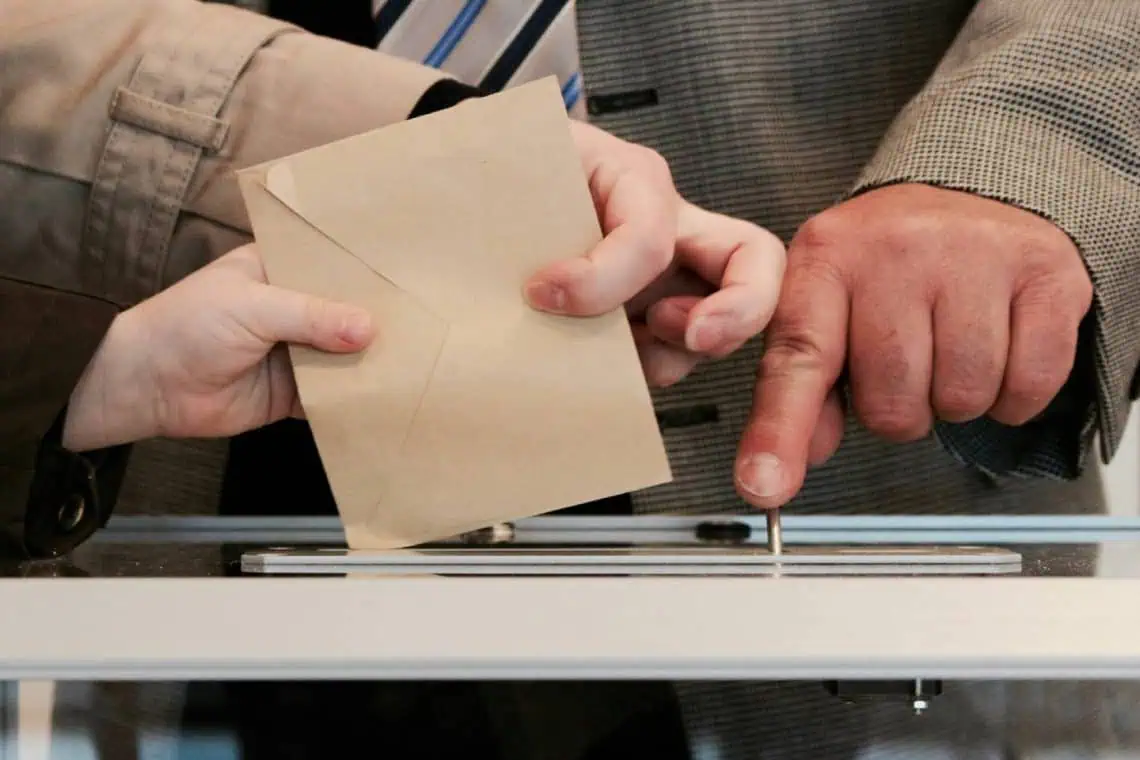

In a daring push to shield democracy, ActionSA introduced the Election Integrity Bill—formally the Electoral Laws Amendment Bill—on October 29, 2025. This private member’s initiative targets poll manipulation with tough rules on opinion polling, including up to two years in prison for violators, to guarantee transparency before elections.
Core Rules: What the Bill Demands
At its heart, the bill revamps how political opinion polls and exit polls are run, shared, and reported. South Africa has no specific laws on this now, opening the door to misuse.
- Full Disclosure: Every poll must clearly show its methodology, sample size, margin of error, and who paid for it. Secret funding ends here.
- Polling Oversight Body: An independent regulator will monitor pollsters, handle complaints, and enforce rules.
- Seven-Day Ban: Releasing polls in the week before voting is a crime, with fines or up to two years in jail to stop last-second sway.
- Exit Poll Standards: Same openness rules apply to avoid skewed turnout influence.
ActionSA says these steps will unmask deceptive polls meant to herd voters or sap morale. “End the tricks that mislead the public,” the party stated.
Why Now? Past Poll Doubts Fuel Push
The 2024 national elections spotlighted wild poll swings. Some inflated ANC strength; others foresaw today’s coalition landscape. Critics blame party-funded polls used to puff up images or dent rivals, threatening electoral trust.
ActionSA Chief Whip Lerata Ngobeni warned unchecked polls craft media spin and shift voter choices. Without curbs, shadowy sponsors can twist facts and weaken faith in the vote.
Reactions: Cheers, Silence, Backlash
Responses to the bill expose splits. Fans call it a democracy shield. “Polls turn into weapons when rigged,” posted advocate Maphanga Maseko, endorsing prison terms.
Free speech defenders blast it as a “silence decree.” The Free SA Foundation fears a state-picked overseer could stifle data under regulation cover. “This risks open debate and oversight,” they said, urging input by November 23.
Big players—DA, ANC, EFF—stay quiet officially, but parliamentary talks promise fire. News24 noted scrutiny on DA-tied polls, signaling tension ahead.
Global Echoes: Parallels in U.S. Reforms
The proposal strikes chords overseas, matching U.S. election trust drives. After 2020, claims of pollster errors—many overstated leads—sparked reforms. States like Georgia and Arizona added voter ID, audits, and observer rights.
The seven-day blackout mirrors ideas to curb late polls that nudge undecideds. “Truth over tricks” fits calls for fair counts. As coalitions steer the current government, such guards could dodge past turmoil.
BRICS Watch: Foreign Tech Risks
Within BRICS, South Africa explores voting tech from allies, including advanced digital systems and analytics shared at summits. Efficiency tempts, but risks of hidden access lurk, especially from tightly controlled environments.
The bill acts as a barrier: strict local polling rules demand clear checks against unclear external tools. “Protect the vote from bad actors,” ActionSA urges, aiming to set a transparency benchmark in the group.
Game-Changer for Future Votes?
ActionSA’s Election Integrity Bill wages battle on vote deceit. Mandates, watchdogs, and harsh penalties tackle poll fears directly. Passage is uncertain amid pushback, but it signals a demand for accountability.
As debate unfolds, the public tracks every move. Tired of scandals, this could rebuild confidence—or ignite speech clashes. October 29, 2025, stands as a defining step for ballot security.