

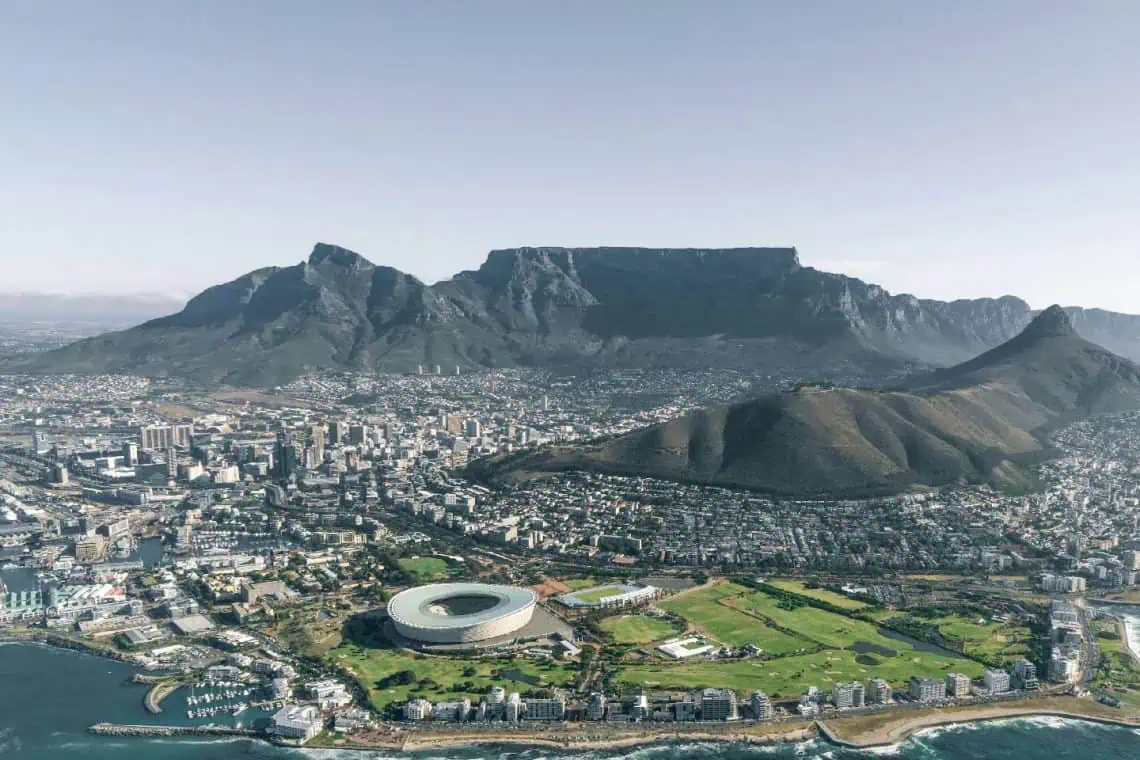

Cape Town’s dams are declining amid rising summer demand, echoing the near-disaster of 2018. Affordable rainwater solutions under R2,000 offer a smart way to conserve.
Cape Town, South Africa’s stunning coastal icon, faces a growing water challenge as summer heat builds and visitors flock to its shores. The city’s vital dams have dipped to around 83% capacity as of late November 2025, down sharply from 86.4% earlier in the month and nearly 10% lower than last year at this time. This isn’t the edge-of-the-abyss scare of 2018, when levels hit just 14%, but the faster-than-expected drop—driven by uneven winter rains, booming urban growth, and hotter temperatures—signals the need for immediate, everyday action. With daily use hovering near 750 million litres and experts urging a return to water-wise habits, proactive steps like installing budget-friendly rainwater tanks can turn rooftops into lifelines. This guide explores the unfolding situation, draws vital lessons from the past, and arms you with practical, low-cost strategies to protect your home and community.
Dam Levels in Decline: A Wake-Up Call
The numbers tell a clear story of strain. Cape Town’s six key dams—Theewaterskloof, Voëlvlei, Berg River, Wemmershoek, Steenbras Lower, and Steenbras Upper—hold about 747,000 megalitres total as of November 18, 2025, a slip of roughly 2,800 megalitres in a single day. That’s a collective 83.2% full, compared to over 98% this time last year, with individual reservoirs like Berg River falling from 94.7% to 91.2% in a week. The Western Cape Water Supply System, feeding not only the city but nearby areas in the Overberg, Boland, West Coast, and Swartland, plus vital agricultural irrigation, feels the pinch. Below-average winter precipitation has left reserves vulnerable, while urban expansion—adding tens of thousands of residents yearly—and agriculture’s heavy draw compound the issue.
Climate patterns play a starring role here. Lingering effects of El Niño have ushered in drier conditions, and rising temperatures accelerate evaporation from reservoirs and soils alike. Daily consumption has climbed to around 750 million litres, pushing past the ideal 650 million-litre mark for sustainability. The City of Cape Town’s latest dashboard flags an “Early Drought Caution,” a proactive alert rather than panic mode, but projections show potential for sub-70% levels by early 2026 if trends hold. This isn’t 2018’s freefall to 20-30%, but the pace—about 0.3% weekly loss—mirrors that era’s early warning signs, amplified by a population that’s grown by over 20% since then. For a city where water underpins everything from vibrant Table Mountain hikes to bustling V&A Waterfront eateries, this decline threatens the lifestyle that draws millions.
Yet, there’s optimism in the data: levels remain far from critical, giving time to build habits that stick. Community leaders emphasize education over enforcement, with apps and dashboards providing real-time insights to keep usage in check. Agriculture, accounting for up to 60% of regional water, is shifting to drip irrigation and crop rotation, freeing up shares for urban needs. Still, every household’s role counts—small changes now can prevent bigger headaches later.
Lessons from 2018: How Unity Averted Disaster
Flash back to 2017-2018, when Cape Town stared down the world’s first major “Day Zero”—the point where dams hit 13.5% and taps would shut off for most homes and businesses. A millennium-level drought, the worst in recorded history, drained reservoirs to 14% by early 2018, slashing three years of winter rains to half the norm. Level 6B restrictions clamped daily allowances to 50 litres per person—no outdoor hoses, mandatory low-flow fittings, and guilt-tripped flushes under the mantra “if it’s yellow, let it mellow.” Officials mapped 200 ration points, braced for unrest, and even consulted military logistics for distribution.
What turned the tide? Unprecedented community buy-in. Usage plunged 50%, from over 1 billion litres daily to under 500 million, through viral campaigns, neighborhood watch apps shaming over-users, and ingenious hacks like greywater recycling for gardens. Emergency measures kicked in too: groundwater pumps from aquifers added millions of litres, while pilot desalination plants tested seawater conversion. The decline rate then? About 0.3% weekly at similar mid-drought stages, slower than some feared but relentless without intervention. Climate forecasts from that time, warning of drier 2020s, now ring true, underscoring that preparation isn’t optional—it’s essential.
That crisis forged resilience. It spotlighted inequities, like townships relying on shared taps long before restrictions hit suburbs, and sparked innovations still in play today. Globally, cities from Tehran to Los Angeles study Cape Town’s playbook, proving one city’s grit can inspire worldwide. The takeaway? Early, collective action doesn’t just save water—it strengthens bonds and builds smarter systems for the future.
Stepping Up Conservation: Everyday Wins
While no new formal restrictions loom— the City confirms none expected soon—voluntary measures echo 2018’s success. Aim for under 100 litres per person daily via simple audits: hunt leaks (they waste 20% of supply) and swap to aerated showerheads (R50 each, slashing flow by 40%). Greywater from showers or sinks, collected in buckets, nourishes gardens without a fancy setup. Outdoors, mulch soil to lock in moisture and plant drought-tough fynbos natives, cutting irrigation needs by up to 70%.
- Shower savvy: Cap at 5 minutes with low-flow nozzles—pocket 100 litres daily per person.
- Kitchen clever: Wash veggies in a basin, then repurpose the water for pots or lawns.
- Laundry lean: Run full loads only; front-loaders use 50% less than top-loaders.
- Pool savvy: Solar covers slash evaporation by 90%; channel backwash into storage.
- Tech boost: The ThinkWater app tracks your meter and shares tailored tips.
Neighborhoods thrive on sharing: apps like WaterWise link folks for tool swaps or bulk buys on fittings. Schools weave in “Drip Drop” lessons for kids, fostering lifelong smarts. Track city-wide progress on the dam dashboard—your efforts ripple out, easing pressure on the whole system.
Rainwater Harvesting: Budget-Friendly Backup
When every drop matters, rainwater tanks shine as accessible allies, capturing winter bounty for dry spells. South Africa’s suppliers overflow with options under R2,000, transforming roofs into ready reserves. The JoJo 500L Slimline Tank, at around R1,499, fits snugly on balconies or patios, crafted from UV-resistant polyethylene for decades of service. Need more? Eco Tanks’ 750L version hits R1,799, with seamless gutter links and a solid 10-year guarantee.
For discreet yard setups, Atlas Plastics’ 1,000L Harvester at R1,950 includes leaf screens and auto-overflows, blending into landscapes effortlessly. DIY install takes a weekend with basic tools (pro help adds R500), and City Green Fund rebates trim R300 off. Expect 200-400 litres yield per 10mm rain from a standard roof—ideal for flushing toilets, irrigating veggies, or even initial potable use after filtering, trimming bills by 30% or more.
Enhance with a R200 first-flush diverter to bypass roof grime, ensuring cleaner catch. Stock up at Leroy Merlin or Builders Warehouse, or snag online warranties up to 12 years from Rainbow Reservoirs. In Cape Town’s variable climate, these investments under R2,000 deliver security, sustainability, and savings—proving smart prep pays off.
Beyond basics, consider scaling up: pair a 500L tank with barrel overflows for chain collection, or integrate pumps (R800) for indoor access. Maintenance is minimal—annual hose-downs keep algae at bay—and many models qualify for eco-grants. Homeowners report not just cost cuts but pride in self-reliance, turning potential scarcity into abundance.
Beyond Today: Forging a Thirst-Proof Future
Cape Town’s charting a bold path forward through the New Water Programme, eyeing 300 million extra litres daily by 2030. Key moves include aquifer recharges tapping ancient underground stores, the Faure reuse plant producing 70 million litres of treated wastewater for drinking (tenders launch March 2026), and aggressive clearing of invasive aliens—thirsty pines and gums guzzling 55 billion litres yearly. Desalination ramps up too, with plants like V&A Waterfront’s expanding output, while smart sensors in pipes cut leaks by 15%.
But tech alone won’t suffice; 2018 showed behavior drives 60% of savings. Ongoing education, incentives for efficient farms, and public-private pacts build layers of defense. As global hotspots like parched metropolises worldwide watch, Cape Town positions as a beacon—turning vulnerability into victory through innovation and unity.
With dams at 83% and trends urging vigilance, this moment calls for Cape Town’s signature spirit. Conserve with purpose: audit today, install tomorrow, inspire always. Your actions safeguard not just taps, but the beaches, vineyards, and sunsets that make this city unforgettable. Together, we ensure the Mother City’s flow endures—for generations to come.