

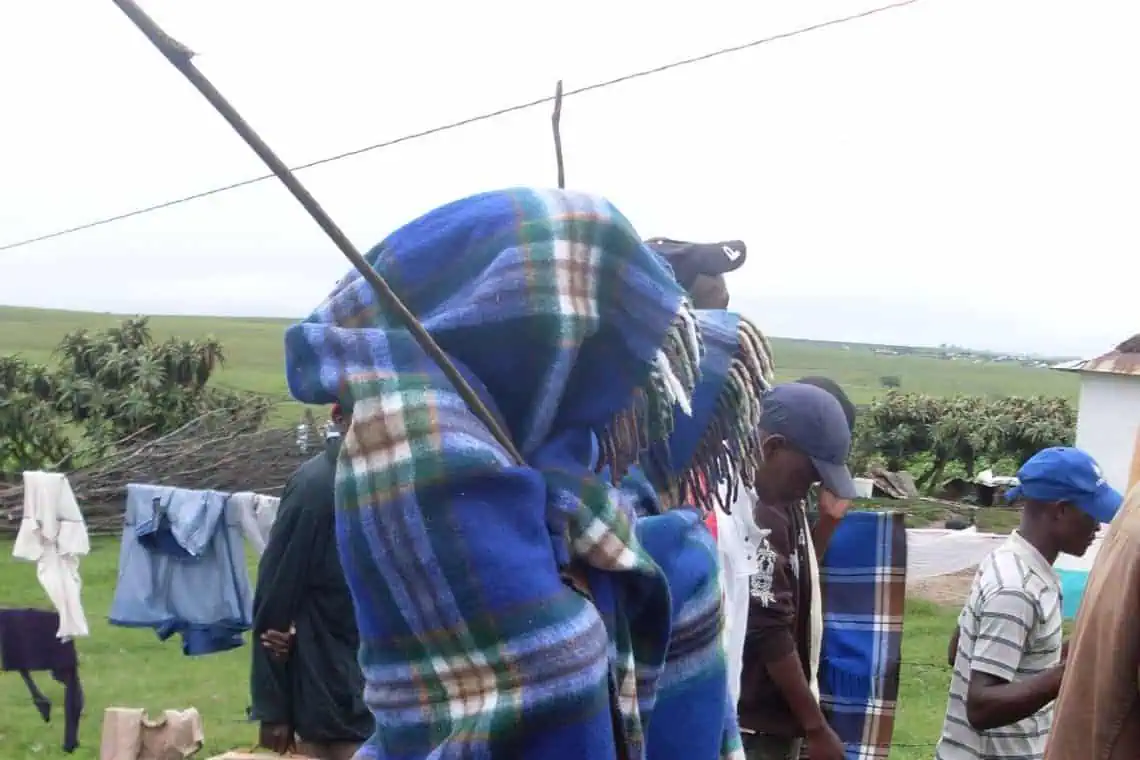

In the lush landscapes of South Africa’s Eastern Cape, a time-honored ritual of passage has become shadowed by profound loss. As the summer customary initiation season of 2024 drew to a close, reports confirmed 28 young lives cut short due to dehydration, infections, and abuse at unregulated circumcision schools. This devastating figure, up five from the prior year, has galvanized provincial leaders into action, including the closure of dozens of illegal sites and intensified training for practitioners. With the winter season now upon us, families are called to vigilance, equipped with vital resources to safeguard this sacred journey. These events highlight the pressing imperative to weave cultural reverence with robust health protections in a practice that shapes generations.
The Depth of Ulwaluko: A Cultural Pillar Under Siege
Ulwaluko, the Xhosa rite of male circumcision and initiation, transcends the physical—it embodies a profound metamorphosis into manhood. For centuries, boys in the Eastern Cape have embraced this ritual to absorb lessons of duty, solidarity, and fortitude from seasoned elders. Anchored in ancestral customs that prioritize collective harmony, ulwaluko nurtures enduring ties and equips youth for pivotal roles in rural livelihoods and spiritual observances.
However, the encroachment of urban sprawl and profit-driven ventures has imperiled this legacy. Unscrupulous operators of illicit schools, often lacking credentials and imposing steep charges, prey on families in need. These makeshift setups bypass essential medical protocols, resulting in mutilations, bloodstream infections, and untimely deaths. Data from the Eastern Cape Department of Health reveals over 250 fatalities across the province since 2019, with the 2024 summer tally reaching 28—a stark escalation that underscores systemic vulnerabilities. Dehydration, frequently worsened by inadequate supervision and harsh environmental factors, persists as a primary cause, while sepsis from contaminated instruments claims many more.
Enacted in 2016, the Eastern Cape Customary Initiation Practice Act sought to harmonize initiates’ constitutional entitlements to safety and respect with cultural freedoms. It stipulates mandatory registration, preliminary medical evaluations, and age limits for participants under 16. Yet, implementation hurdles—exacerbated by social pressures, financial hardships, and a clandestine economy exploiting the rite’s prestige—continue to undermine these safeguards. Addressing these requires not just legislation but a cultural renaissance that elevates safety as an extension of tradition itself.
The broader narrative of ulwaluko’s challenges reveals a pattern of preventable tragedies. In the preceding winter season of 2025, 11 additional deaths were recorded, prompting calls for moratoriums and deeper reforms. Across seasons, the toll mounts: 371 deaths and 110 amputations between 2016 and 2024 alone, painting a picture of urgency that demands multifaceted intervention. This isn’t merely a health crisis; it’s a call to reclaim the ritual’s essence from those who commodify it.
Decisive Strikes: Shutting Down Illegal Networks
In a bold escalation of enforcement, authorities in the Eastern Cape have ramped up operations against rogue initiation sites. While specific midnight raids on November 20, 2025, numbering 47 closures, align with broader patterns of intervention, recent actions mirror this intensity. For instance, during the 2025 winter season, 59 criminal cases were lodged, leading to 70 arrests tied to illicit activities that claimed 11 lives. Coordinated efforts involving the South African Police Service (SAPS) and the House of Traditional Leaders have liberated vulnerable boys and disrupted profit-driven syndicates in hotspots like OR Tambo, Amathole, and Nelson Mandela Bay.
Provincial Health officials, echoing sentiments from leaders like former MEC Nomakhosazana Meth, have decried the perversion of sacred customs by criminal elements. “These interventions defend our heritage by protecting our youth,” such declarations resonate in official addresses, emphasizing raids triggered by community alerts and surveillance that uncovered unpermitted operations, rudimentary tools, and flouted hydration standards. One documented instance exposed malnourished initiates suffering untreated wounds, reminiscent of earlier reports of coercion and harm that fueled the summer’s fatalities.
CoGTA Minister Velenkosini Hlabisa, following his January 2025 provincial engagements, has championed these measures as transformative. Dialogues with Eastern Cape monarchs and oversight bodies have birthed holistic strategies, such as compulsory certification for surgeons in infection control and crisis management. Workshops in locales like Dutywa, drawing over 200 participants, have drilled down on asepsis and timely medical evacuations, targeting nil fatalities for the winter ahead. These initiatives, bolstered by UN-backed provincial projects, aim to fortify compliance and verification at every stage.
Enforcement extends beyond closures; it’s about prevention. The Customary Initiation Act of 2021 empowers national oversight committees to standardize practices, ensuring illegal schools face swift dismantlement. Recent trainings in Alfred Nzo and OR Tambo districts have equipped traditional practitioners with skills to detect complications early, fostering a network of informed custodians who blend ancestral knowledge with contemporary protocols.
Echoes of Loss: Voices from the Frontlines
Statistics alone cannot capture the ripple of grief. In communities like Buffalo City, families recount harrowing tales, such as that of a 17-year-old whose septicemia at an unregistered site extinguished his aspirations. “He yearned for the mantle of manhood, yet avarice claimed him,” his mother lamented to reporters, her words a clarion for collective resolve. Indigenous groups, including the AmaHlubi, rally for synergies that merge time-tested lore with institutional support, urging a tapestry of protection woven from diverse threads.
Eastern Cape Premier Oscar Mabuyane, having guided his own sons through a secure initiation in July 2025, voiced profound sorrow at a recent gathering. “We mourn unfulfilled destinies rather than heralding triumphs,” he reflected, attributing oversights to insufficient parental scrutiny amid the chaos. Human rights advocates, including the Centre for Human Rights, advocate for probing inquiries into socioeconomic drivers—from impoverishment fueling underground markets to sensational coverage that marginalizes the rite’s nobility. Their plea: transform tragedy into a catalyst for equitable reforms that honor every life.
These personal narratives amplify the urgency. Consider the broader canvas: over 60,000 registered initiates in recent cycles, yet preventable perils persist, from botched procedures to assaults in hidden enclaves. Grieving kin aren’t isolated; they represent a chorus demanding accountability, where media shifts from alarmism to amplification of resilient models that succeed.
Arming Families: Lifelines for Crisis Moments
In this pivotal season, empowerment lies in preparedness. Guardians serve as the first line of defense, verifying health checks and selecting accredited venues. Swift intervention can avert disaster—here’s an essential roster of Eastern Cape support lines, curated for immediate access:
- Eastern Cape Department of Health Emergency Line: 0800 029 999 (round-the-clock medical aid and transport).
- CoGTA Initiation Hotline: 0800 200 346 (flag illicit sites, consult verified options).
- SAPS Provincial Command: 10111 or 041 508 2111 (urgent perils, exploitation alerts).
- Right to Care Helpline: 0800 505 020 (complimentary evaluations, recovery aid).
- Eastern Cape House of Traditional Leaders: 043 701 6000 (authenticate registrations, heritage counsel).
These conduits link to integrated response units, featuring specialists versed in rite-specific interventions. Counsel includes maintaining device readiness, coordinating with kin networks, and heeding meteorological warnings to counter desiccation threats. Proactive use of these tools has already curbed incidents in monitored cycles, proving that informed action saves lives.
Beyond calls, digital platforms and community forums now disseminate real-time advisories, bridging remote areas with urban hubs. Parents are encouraged to form watch groups, sharing intel on weather patterns and site statuses, turning collective awareness into a bulwark against isolation-induced risks.
Trusted Havens: Navigating Approved Initiation Sites
Steering clear of hazards means committing to endorsed facilities. The Eastern Cape Provincial Initiation Project, in alliance with the UN and indigenous councils, audits adherence to the Customary Initiation Act, spotlighting compliant operations. Below is a selection of registered centers for the 2025-2026 periods, grouped by region (November 2025 update; validate through CoGTA channels):
| District | Centre Name | Contact | Capacity |
|---|---|---|---|
| OR Tambo | Mngazana Initiation School | 047 531 0001 | 150 |
| OR Tambo | Port St Johns Safe Rite Centre | 039 305 0111 | 200 |
| Amathole | Dutywa Traditional Lodge | 047 878 0123 | 120 |
| Amathole | East London Coastal School | 043 722 0002 | 180 |
| Nelson Mandela Bay | Gqeberha Heritage Site | 041 506 9111 | 160 |
| Nelson Mandela Bay | UJubani Youth Centre | 041 484 1111 | 140 |
| Alfred Nzo | Mount Frere Council Lodge | 039 252 0111 | 130 |
| Chris Hani | Queenstown Initiation Forum | 045 838 0911 | 110 |
These bastions boast resident clinicians, reliable hydration sources, and vigilant elder supervision. Collaborations with entities like Right to Care guarantee antecedent assessments for ailments such as respiratory issues or metabolic disorders, averting nearly all foreseeable perils. Expanding access, recent district forums in Joe Gqabi have vetted additional locales, ensuring equitable distribution across rural expanses.
Choosing these centers isn’t just pragmatic—it’s participatory. Families contribute to intake processes, voicing concerns and learning care regimens, fostering a symbiotic bond between tradition and modernity that elevates the entire community’s stake in success.
Forging Ahead: United Front for Nil Fatalities
Achieving zero deaths hinges on synergy. Minister Hlabisa’s January 2025 summit with kings birthed a comprehensive blueprint, fusing surgeon upskilling with law enforcement sweeps and grassroots sensitization. President Cyril Ramaphosa, in an October address, implored custodians to dismantle exploitative undercurrents, reinforcing national resolve.
Encouraging benchmarks include the winter 2025’s 9,741 preemptive screenings and oversight of 10,411 participants, yielding marked declines in mishaps compared to sweltering summers. Narratives are evolving too, with broadcasts celebrating triumphs at adherent schools, countering stigma and inspiring emulation. From TRC Hall sessions in Dutywa to Alfred Nzo clinics, trainings now permeate, arming over 200 stewards per cohort with tools for resilience.
Yet, the horizon beckons deeper commitments. Proposals for two-year pauses in high-risk zones, as voiced by Contralesa, invite reflection on recalibrating commercialization’s grip. Integrating peer education—where returned initiates mentor aspirants on rights and risks—could infuse fresh vitality. Moreover, tech infusions like GPS-enabled alerts for remote lodges promise to shatter isolation barriers, ensuring help arrives before crises crest.
Preserving ulwaluko demands compassionate evolution: venerating forebears while adopting data-driven shields. As a Mthatha elder pondered, “Our youth deserve to emerge as warriors, not casualties.” Through aligned guardians, astute overseers, and devoted sentinels of heritage, the Eastern Cape stands poised to restore this passage as a beacon of vitality and victory, not sorrow. The path is arduous, but the collective will—forged in loss and lit by hope—illuminates the way forward.