

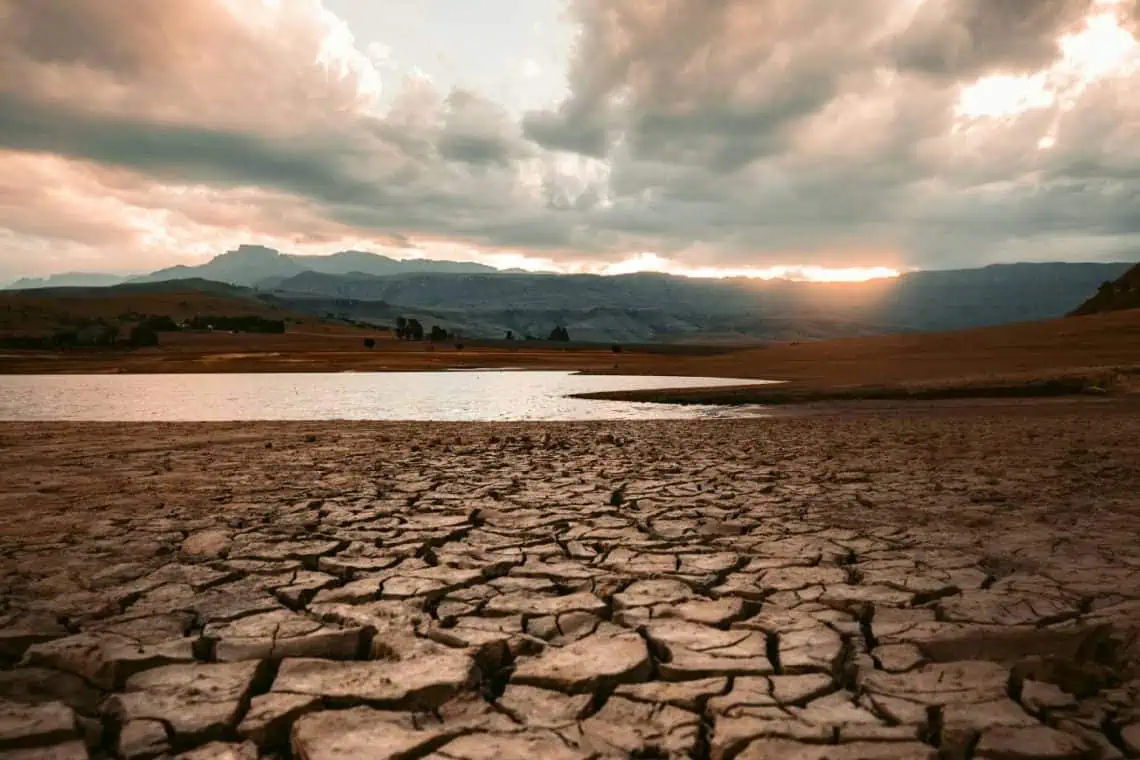

In the sun-baked vastness of Somalia’s Puntland region, a humanitarian nightmare is quietly intensifying. Close to one million souls, with 130,000 on the razor’s edge of survival, confront the grim specter of famine as four straight failed rainy seasons turn fertile pastures into barren wastelands. This isn’t a standalone disaster; it’s a chilling harbinger of climate change’s ruthless assault on the world’s most fragile populations. As the United Nations broadcasts urgent pleas for support, the African Union wrestles with yawning financial voids that could engulf whole territories. But amid the despair, beacons of solidarity flicker from the continent’s southern tip: South African drought warriors from the Eastern Cape are lending their forged-in-fire strategies, transforming peril into pathways for endurance.
Drought’s Iron Clutches: The Anguish in Puntland
Puntland, the semi-autonomous jewel in Somalia’s northeastern crown, has historically been a sanctuary for pastoralists, where herds and human fortunes danced to the tune of reliable monsoons. Yet, this fragile harmony has been ruptured by relentless dry spells. Wells have dwindled to parched fissures, scrublands have crumbled to powder, and vibrant hamlets now echo with the ghosts of bygone prosperity. “Rain has forsaken us since last year—this is the cruelest drought we’ve known,” mourns Abdiqani Osman Omar, the beleaguered mayor of Shaxda village in the Bari district. Waves of uprooted families, led mostly by women and children, pour into overburdened settlements, while their men venture into Ethiopia on desperate hunts for grazing grounds and hydration.
On November 10, 2025, Somalia’s Federal Government proclaimed a nationwide drought crisis, igniting a clarion call for swift global aid. The UN Office for the Coordination of Humanitarian Affairs (OCHA) reports that Puntland officials peg the crisis at 940,000 affected individuals, among them over 310,000 children under five hovering near malnutrition’s abyss. Global acute malnutrition has spiked to 11.8% in northern and central zones, a sharp climb from 8.6% last year, with dire hotspots (15-29.9%) festering in refugee camps like Baidoa and Galkacyo. Millions of livestock have perished, gutting the pastoral economy and catapulting food scarcity into emergency thresholds (IPC Phase 4).
Layered atop Somalia’s perennial frailties—clashes with Al-Shabaab, soaring staple costs, and the encroaching chill of La Niña promising parched horizons through 2026—this drought amplifies every vulnerability. The Famine Early Warning Systems Network (FEWS NET) foresees 4.4 million Somalis—roughly 23% of the populace—grappling with crisis-level starvation by mid-2026 absent intervention. In Puntland, 89 supplementary feeding hubs and 198 health stabilization units battle crippling shortages, as aid beneficiaries nosedive from 1.1 million in August to a scant 350,000 by November. The ripple effects extend beyond immediate hunger: contaminated water sources breed cholera outbreaks, and displaced herders strain cross-border relations with Ethiopia and Kenya, igniting flickers of resource-fueled skirmishes. Pastoralists, who anchor 60% of Puntland’s economy, face not just herd losses but cultural erosion, as traditional migration routes clog with desperation.
The UN’s Desperate Plea: Rallying the World Against Famine
The United Nations has unleashed a passionate worldwide entreaty, hammering home that this calamity is entirely avertable. Somalia’s 2025 Humanitarian Response Plan, a $1.42 billion lifeline for 6.9 million in peril, idles at a mere 23.7% funded by late November. This chasm has gutted vital programs, consigning 4.4 million to acute food voids through December and forecasting 1.85 million malnourished children under five by mid-2026. The plan’s multisectoral thrust—spanning nutrition, health, water, and protection—now teeters, with only one in three targeted recipients receiving rations.
Frontline UN bodies—the World Food Programme (WFP), UNICEF, and FAO—sound alarms of a “creeping apocalypse.” WFP clamors for $266 million by December’s end to prop up sustenance and nutritional aid for multitudes. “Time is our fiercest adversary,” implores Jama Mohamed, Save the Children’s Child Survival Program Manager in Puntland. “The global family must surge forward now, lest we etch another avoidable scar on history’s ledger.” Proactive measures like preemptive cash infusions and awareness drives have blunted edges in past cycles, but fiscal droughts undercut their scope. Somalia crowns the UN’s Hunger Hotspots ledger among 16 tinderboxes where arid spells, warfare, and fiscal tremors forge a perfect storm of suffering. Without a funding infusion, projections darken: up to 5.9 million may demand aid by early 2026, per FEWS NET, with pastoral and agropastoral zones spiraling into Emergency (IPC Phase 4) by February.
African Union’s Anchor: Spanning the Financial Gulf
In this maelstrom, the African Union (AU) stands as a bulwark of pan-African kinship. Via its African Union Support and Stabilisation Mission in Somalia (AUSSOM), the AU fortifies defenses, carving safe passages for relief convoys through Al-Shabaab strongholds. Yet AUSSOM staggers under inherited burdens—a €96 million shortfall from prior operations—thwarting phased withdrawals and Somali force upskilling. Launched in January 2025, the mission’s $166.5 million annual tab strains under unresolved financing, with UN-assessed levies stalled by geopolitical snags.
The AU’s expansive vision encompasses climate fortitude, championing steady peace operation funding through UN mechanisms. In Somalia’s scorched heartlands, this translates to funneling aid toward revival: agroforestry reboots, rainwater capture grids, and conflict mediation to staunch vulnerability’s bleed. AU Chair Moussa Faki Mahamat champions deeper regional ties, spotlighting Somalia’s East African Community accession to spur commerce and shock-absorbency. By harnessing African capital and pressing benefactors, the AU can staunch leaks, morphing charity into enduring progress. Pundits tout fused paradigms—AU security spearheaded with UN fiscal muscle—as non-negotiable for famine deflection and bulwarking against tomorrow’s tempests. Recent summits in Entebbe and New York underscore this: troop contributors clamor for $120 million to seal ATMIS debts, while hybrid models dangle promise if US hesitations yield. The AU’s Peace Fund, bolstered to $20 million, signals resolve, yet full operational tempo hinges on bridging the €96 million void to avert mission atrophy.
Echoes from the Eastern Cape: South Africa’s Survival Codex
Across the Indian Ocean, South Africa’s Eastern Cape mirrors Puntland’s torment with haunting fidelity. Between 2015 and 2020, a merciless multi-year drought—one of the province’s fiercest—drained reservoirs, annihilating R6.4 billion in livestock value and uprooting thousands. By 2019, authorities etched it a disaster zone as faucets sputtered in Nelson Mandela Bay, cradle to 1.28 million. Botched infrastructure hemorrhaged reserves, while climate volatility whipped erratic downpours into “Day Zero” dread, akin to Cape Town’s 2018 ordeal. The crisis claimed over 613,000 animals, slashed crop yields by 50% in rain-fed farms, and spiked unemployment in rural Karoo heartlands, where pastoralism sustains 70% of livelihoods.
From this forge of adversity, South African resilience architects now bridge to Somalia. Mary Galvin, Associate Professor at the University of Johannesburg, underscores equity in climate combat: “Day Zero isn’t a blip—it’s the new normal of escalating heat, fiercer droughts, and deluges.” Core takeaways spotlight preemptive basin revival; Cape Town’s alien acacia purge slashed evaporation by 70 million liters daily, a blueprint for Puntland’s rangeland rehab. Galvin’s work, disseminated via AU resilience forums, equips Somali planners with GIS mapping for drought-vulnerable zones, mirroring Eastern Cape’s 2018 vulnerability audits that rerouted aid to 200,000 at-risk households.
Grassroots stewardship emerged as Eastern Cape’s linchpin. Cross-departmental squads orchestrated deep wells, shared hydrants, and SMS alerts, staving off systemic rupture. For Puntland, advocates push analogous setups: vesting elders with apps for live drought tracking, echoing eThekwini’s deluge sentinels that halved response times. Eco-centric fixes—cistern farms and fossil water strikes—cushioned Cape losses, exposing perils of ad-hoc digs prone to pollution. Dr. Gina Ziervogel, a University of Cape Town climate savant, evangelizes integrated adaptation: “Water-smart fabrics crave layered shields, from civic pipe patches to federal edicts.” Her frameworks, shared in 2025 AU webinars, train Somali cadres in inclusive aid, dodging the rifts that widened Eastern Cape’s chasms—where black townships bore 40% higher shortages than affluent enclaves. South African NGOs like Gift of the Givers, veterans of 2019 Cape relief, now embed trainers in Puntland, deploying solar pumps that sustained 50,000 during the Cape crunch. These exchanges, funneled through AU’s climate desk, blend technical know-how with cultural attunement, ensuring solutions root in local soils.
Forging Resilience: From Cataclysm to Collective Might
Somalia’s parched plea demands chorus over cacophony. UN summons, turbocharged by AU fervor, must shatter donor apathy to bankroll not mere bandages, but rebirth. South Africa’s saga—from Cape Town’s thrift ethos to Eastern Cape’s communal sinew—charts courses: pluralize hydration veins, wield tech for foresight, amplify the sidelined in blueprints. As La Niña’s specter lengthens shadows into 2026, sealing fiscal fissures calls for African ingenuity, with worldwide allies as amplifiers. Innovations like drought-resistant sorghum strains, piloted in Eastern Cape trials yielding 30% more in arid plots, could seed Puntland’s fields via FAO seed banks.
Yet resilience transcends tech; it’s woven in equity. Eastern Cape’s post-drought pacts—mandating 50% women in water committees—curbed elite capture, a trap ensnaring 20% of Puntland aid per OCHA audits. AU-mediated compacts could enforce such, while digital ledgers track flows, slashing diversion by 15% as in SA’s 2020 rollout. In Puntland’s haze-shrouded outposts, fate teeters on this tapestry of unity. Interlacing South African savvy into AU sinews, Somalia can eclipse famine’s pall, crafting a tomorrow where aridity yields to agency. The Horn’s kin merit this bulwark—a homage to intertwined fates in climate’s unyielding gale.