

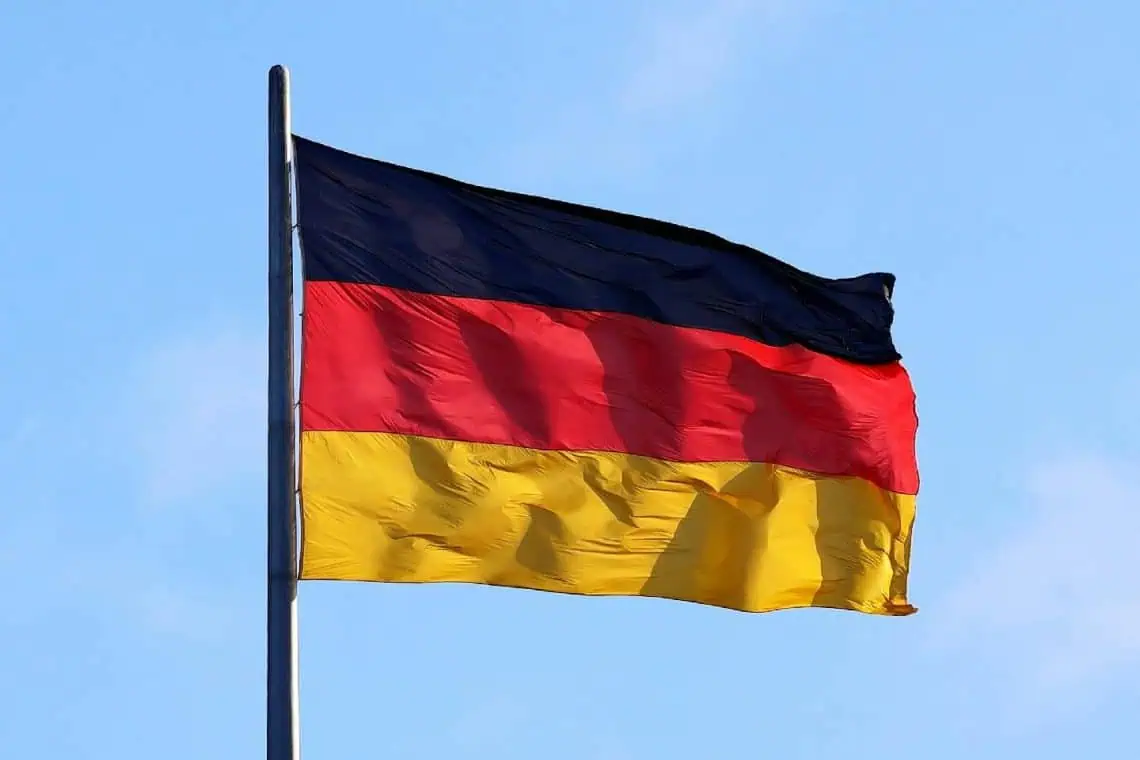

In the turbulent arena of international relations, where old alliances strain under new pressures, Germany’s Chancellor Friedrich Merz has openly challenged U.S. President Donald Trump over his exclusion of South Africa from the 2026 G20 summit in Miami. This isn’t mere protocol—it’s a calculated bid to safeguard South Africa’s fragile economy from the fallout of U.S. tariffs and diplomatic isolation. As the echoes of the recent Johannesburg summit fade and threats of 30% duties on R10 billion in exports intensify, Berlin is stepping up as a key supporter of the Global South. This intervention could reshape U.S.-European dynamics, protect essential supply chains, and expose the cracks in global cooperation during Trump’s second term.
The Johannesburg Summit: Triumph Amid Absences
South Africa’s 2025 G20 presidency represented a landmark achievement—the first time an African country took the helm of the forum for the world’s major economies. The summit, convened on November 22-23 at the Nasrec Expo Centre in Johannesburg, buzzed with purpose under the banner of “Solidarity, Equality, Sustainability.” Representatives from 19 nations, the European Union, and the African Union gathered to endorse a comprehensive 122-point declaration. This document emphasized urgent priorities: bolstering climate resilience in vulnerable regions, easing debt burdens for developing nations, and promoting fair access to green technologies. Despite the high stakes, host President Cyril Ramaphosa steered the proceedings to a successful close, even as notable voids marred the event.
The most conspicuous gap was the United States. The Trump administration’s boycott stemmed from longstanding, debunked allegations of “human rights violations” targeting white Afrikaner farmers—a storyline echoed by advisor Elon Musk but repeatedly refuted by South African authorities and independent fact-checkers. Claims of a “genocide” against white minorities have been dismissed by courts and experts alike, with farm-related murders comprising less than 1% of the nation’s overall homicide rate. Ramaphosa’s administration countered sharply, deeming the absence “punitive” and reaffirming South Africa’s foundational role as the only full African member since the G20’s 1999 origins. “We remain a committed participant,” a presidential statement declared, underscoring the group’s consensus-based traditions.
Tensions escalated after the gavel fell. On November 26, Trump posted on Truth Social, declaring South Africa unwelcome at the upcoming Miami summit: “South Africa will NOT be receiving an invitation… They are not a country worthy of Membership anywhere.” He cited Pretoria’s refusal to transfer the symbolic gavel to a U.S. embassy official during the closing ceremony—a formality South Africa rejected, insisting on protocol with a senior representative. This move flouts the G20’s collaborative spirit, where no single host holds veto power over members. Analysts, including those from Cambridge’s Institute for Sustainability Leadership, foresee complications like visa restrictions for South African officials, further straining ties. Yet, Ramaphosa’s team emphasized that the declaration’s adoption, despite U.S. objections to its climate focus, proved the forum’s enduring value.
Tariffs Ignite Economic Warfare: R10B at Risk
Beyond the summit snub lies a more immediate economic assault. In August 2025, Trump enacted 30% tariffs on South African imports—the harshest levy on any sub-Saharan nation—jeopardizing R10 billion (roughly $550 million) in annual exports to the U.S. This policy effectively dismantles benefits under the African Growth and Opportunity Act (AGOA), which since 2000 has enabled duty-free shipments of over 6,000 products, fueling African growth. For South Africa’s automotive powerhouse, home to plants for BMW and Mercedes, the blow is devastating. The sector, which employs 120,000 workers and accounts for 7% of GDP, now faces eroded market access, with vehicle exports—once 64% of U.S.-bound goods—plummeting 80% in recent months.
Agriculture, a cornerstone of rural livelihoods, suffers equally. Iconic exports like Stellenbosch wines, Eastern Cape citrus, and macadamia nuts, which command premium prices in American stores, now contend with prohibitive costs. The U.S. stands as South Africa’s second-largest export market after China, with bilateral trade exceeding $20 billion yearly. However, Pretoria’s mere 0.25% share of U.S. imports poses no competitive threat, as Trade Minister Parks Tau contends; the relationship is symbiotic, with South Africa importing U.S. tech and machinery. Forecasts warn these tariffs could trim 0.5 percentage points from South Africa’s anemic 1.3% GDP growth for 2025, worsening 33% unemployment and straining social fabrics.
AGOA’s scheduled September 2025 expiration compounds the crisis. The act has channeled $10 billion in preferential access annually, spurring industrialization across Africa. Now, U.S. legislation proposes South Africa’s outright removal, linking it to unrelated disputes like Pretoria’s ICJ case against Israel over Gaza. Ramaphosa’s May 2025 White House visit, intended to rebuild bridges, instead saw Trump harangue him with the discredited “white farmer killings” narrative—claims Ramaphosa refuted with data showing no systematic targeting. Economists project ripple effects: factory closures in Eastern Cape auto hubs, layoffs in Western Cape vineyards, and broader supply chain disruptions for global firms reliant on South African minerals like platinum for electric vehicles.
South Africa’s response has been pragmatic yet urgent. An Export Support Desk now assists firms in pivoting to EU and Asian markets, while R5 billion in government relief targets hit sectors. Negotiations for revised U.S. deals include easing poultry import quotas and committing to LNG purchases, but progress stalls amid Trump’s hardline stance. Meanwhile, integration into the African Continental Free Trade Area (AfCFTA) promises intra-African booms, potentially offsetting 20% of lost U.S. revenue through expanded regional hubs in Nigeria and Kenya.
Merz’s Intervention: Germany’s Strategic Embrace
Into this fray steps Germany, South Africa’s most reliable European ally and the continent’s leading trade partner. Annual exchanges top €20 billion, with Germany as Pretoria’s second-largest buyer and South Africa as Berlin’s top African exporter. Over 600 German companies, including Siemens and Volkswagen, have invested €6.2 billion locally, sustaining 100,000 jobs. Initiatives like the 2013 Energy Partnership and the 2021 Just Energy Transition Partnership (JETP) pour billions into South Africa’s shift from coal dependency, aligning with G20 climate goals and securing raw materials for Europe’s green revolution.
On November 27, Chancellor Merz issued a direct appeal: “I would urge President Trump to reconsider… The G20 remains one of our vital multilateral platforms.” He decried the U.S. boycott of Johannesburg and pledged diplomatic outreach, noting “a lot” of G20 counterparts privately echoed his concerns. Germany’s G20 Compact with Africa, co-initiated with South Africa, channels private capital to enhance business environments, drawing €10 billion in commitments since 2017. This isn’t charity—it’s enlightened self-interest. Berlin covets Africa’s critical minerals—platinum, chrome, cobalt—for its electric vehicle surge, while South Africa seeks stable outlets amid U.S. unpredictability.
Trade data underscores the synergy: South African exports to Germany grew 16% in 2017 and have held steady, slashing deficits and fostering resilience. As Ramaphosa’s spokesperson Vincent Magwenya observed, partners like Germany recognize U.S. volatility but champion inclusive forums. Merz’s stance also bolsters EU-Africa pacts, like the post-Cotonou agreement, which could absorb displaced auto and agri-exports. JETP funds, totaling $8.5 billion, offer a tariff buffer, financing solar farms in Northern Cape and wind projects in the Karoo—initiatives that could create 50,000 green jobs by 2030.
Wider Echoes: A Rally for Multilateral Renewal
Merz’s call reverberates globally. France’s Emmanuel Macron and Britain’s Keir Starmer endorsed Johannesburg’s outcomes, amplifying Global South imperatives on debt and equity. Brazil’s Luiz Inácio Lula da Silva dismissed the U.S. void: “Multilateralism thrives regardless.” Argentina’s Javier Milei, despite Trump alignment, dispatched envoys after initial hesitation. The African Union, elevated to G20 status in 2023, champions South Africa’s agenda on climate finance—$100 billion annually pledged but chronically underdelivered.
Yet perils persist. Trump’s “America First” risks splintering the G20, steward of 85% of world GDP and 75% of trade. Without U.S. buy-in, the forum weakens, prompting calls for a Miami “reset” to core economics. For South Africa, German solidarity provides leverage: EU trade pivots could redirect 30% of autos to Frankfurt hubs, while JETP accelerates the green pivot, targeting 40% renewable energy by 2030. Broader BRICS ties, including new members like Egypt, offer alternative financing, with $50 billion in intra-group loans floated for infrastructure.
This saga illuminates deeper fractures. Trump’s narrative, amplified by Musk, revives apartheid-era fears, ignoring South Africa’s post-1994 progress: land reforms via willing-seller models have redistributed 10% of farmland equitably, without seizures. Crime plagues all communities—27,000 murders yearly—but targeted “genocide” lacks evidence, per U.S. intelligence and UN reports. Berlin’s push counters this, promoting dialogue over division.
Fortifying Resilience: South Africa’s Forward Path
Pretoria’s strategy is layered and adaptive. The Export Support Desk, launched post-tariffs, has onboarded 500 firms, scouting opportunities in India and Vietnam for textiles and machinery. Domestic bolstering includes R5 billion in sector-specific aid: subsidies for auto retooling toward EVs, drought-resistant seeds for citrus growers, and skills programs for 20,000 youth in agrotech. AfCFTA’s full rollout by 2026 could unlock $450 billion in continental trade, with South Africa as a logistics nexus via upgraded Durban ports.
Geopolitically, South Africa leans into non-alignment, deepening ties with the EU and China. A proposed EU-SA free trade upgrade could exempt 90% of agri-exports from duties, while Beijing’s Belt and Road injects $15 billion for rail links to mineral-rich Limpopo. Domestically, Ramaphosa’s administration tackles root causes: police reforms to curb farm crimes, land audits for transparent restitution, and youth employment drives to ease urban migration pressures.
Merz’s advocacy underscores a pivotal reality: in an era of multipolarity, Africa’s agency—personified by South Africa—demands amplification. As Berlin engages Trump, the G20 balances on renewal’s edge. For Pretoria, this alliance transcends rhetoric; it’s a shield for R10 billion in trade, a reinforcement of EU-AU solidarity, and a clarion that global dialogues require every voice. The Miami confrontation awaits, but fortified by partners like Germany, South Africa emerges not diminished, but defiant—poised to navigate the tempests of trade and diplomacy with renewed vigor.
The broader implications extend to global stability. A fractured G20 could embolden protectionism worldwide, hiking food prices as African agri-exports reroute. Yet, it also catalyzes innovation: South Africa’s nascent drone farming tech, piloted in Free State, promises 20% yield boosts, attracting German R&D partnerships. As 2026 nears, watch for shuttle diplomacy—Merz’s Berlin summit with Ramaphosa in December could yield joint EV battery ventures, blending African resources with European precision. In this chessboard of power, South Africa’s gambit, backed by Berlin, may yet check the kings of isolationism.