

In the dim hours before dawn on December 6, 2025, the quiet township of Saulsville, just west of Pretoria, erupted into chaos. Three masked gunmen stormed an illegal shebeen—a makeshift tavern hidden within a bustling hostel—and unleashed a hail of bullets on unsuspecting patrons. When the smoke cleared, 12 lives lay shattered, including three innocent children: a 3-year-old boy, a 12-year-old boy, and a 16-year-old girl. Thirteen others clung to life in hospitals, their bodies riddled with wounds from the indiscriminate attack. This Pretoria mass shooting has ignited national outrage, thrusting South Africa’s relentless crime wave into the spotlight and raising a chilling question: Is this the deadliest shebeen attack yet?
The Saulsville bar massacre unfolded around 4:15 a.m., when the gunmen burst into the unlicensed venue, firing randomly at a group of men nursing early-morning drinks. Eyewitnesses described a scene of pure pandemonium: screams piercing the air, bodies crumpling to the floor, and the acrid stench of gunpowder mingling with spilled liquor. “It was like hell on earth,” one survivor told local media, his voice trembling as he recounted hiding under a table while bullets whizzed overhead. The youngest victim, the 3-year-old boy believed to be the shebeen owner’s child, had no chance—caught in the crossfire of what police suspect was a targeted yet sloppy hit gone awry. The brutality of the attack, with victims shot at close range, has left the community reeling, as families grapple with the loss of loved ones in what should have been a place of respite.
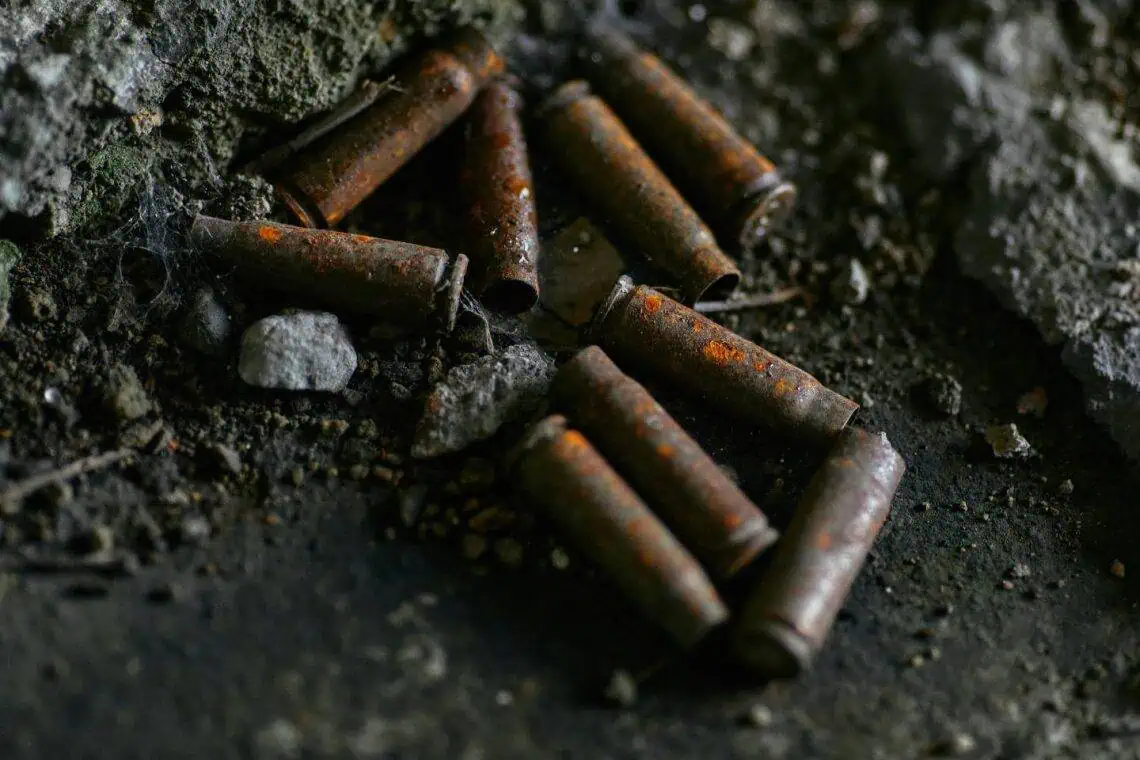
South African Police Service (SAPS) spokesperson Brigadier Athlenda Mathe confirmed the grim toll in a press briefing later that day. “A total of 25 people were shot,” she stated somberly. “Ten died at the scene, one in the ambulance, and another in hospital, bringing our count to 12.” The injured, ranging from teens to elders, were rushed to nearby facilities in Atteridgeville and Pretoria West, where doctors battled to stabilize gunshot wounds to the chest, abdomen, and limbs. Forensic teams swarmed the blood-soaked interior, collecting shell casings and piecing together the trajectory of terror. The discovery of over 100 spent cartridges suggests the assailants were heavily armed, possibly with high-caliber rifles, underscoring the escalating firepower in township violence.
A Manhunt Amid Shadows of Uncertainty
As of December 7, the suspects remain at large, their identities shrouded in mystery. Described as three males in dark clothing and masks, they fled into the labyrinthine alleys of Saulsville township, evading initial patrols. SAPS has mobilized a multi-provincial task force, including the Hawks elite crime unit, to track them down. “We will leave no stone unturned,” vowed Gauteng Police Commissioner Lieutenant-General Tommy Mthombeni. Rewards for tips leading to arrests have been announced, and community watch groups in the area are on high alert, sharing grainy CCTV footage from nearby hostels on social media. The urgency of the hunt is palpable, with door-to-door inquiries and drone surveillance deployed to scour the dense urban sprawl where suspects could easily blend into the morning crowds.
The motive? That’s the enigma fueling speculation. Early whispers point to gang retaliation—Saulsville, like many Gauteng townships, simmers with turf wars over drug routes and extortion rackets. Others suggest a botched robbery, with the shebeen’s illicit alcohol trade as the lure. Whatever the spark, the flames have consumed innocents, underscoring the volatility of these underground spots. “Illegal shebeens are breeding grounds for violence,” Mathe warned. “They draw in armed criminals and trap families in the line of fire.” The overlap between criminal enterprises and everyday community life in these venues turns simple gatherings into potential killing fields, a reality that has prompted calls for stricter border controls on firearms smuggled from neighboring countries.
Echoes of a Broader SA Crime Wave
This Pretoria mass shooting isn’t an isolated horror; it’s a brutal chapter in South Africa’s escalating saga of violence. The nation, with a murder rate of 45 per 100,000 residents—one of the world’s highest—logs about 63 killings daily, per SAPS data from April to September 2025. Firearms drive over half of homicides, many sourced from porous borders or corrupt insiders. Townships like Saulsville bear the brunt, where poverty, unemployment, and historical inequities ferment a toxic brew of despair and desperation. Recent quarterly reports show a slight dip in overall murders, but experts warn that underreporting and seasonal spikes mask the true scale, with weekends and holidays often seeing surges in alcohol-related incidents.
Shebeen attacks have surged alarmingly. In May 2025, eight patrons fell in a Durban tavern ambush, linked to booze syndicates. September 2024 saw 18 dead in dual rural hits in the Eastern Cape, with AK-47s recovered from suspects. And who can forget the 2022 Soweto massacre, where 16 lost their lives in a single night of barroom carnage? The Saulsville toll of 12 edges out the Durban incident but falls short of Soweto’s grim record, yet the inclusion of children amplifies its emotional devastation. “This is the deadliest shebeen attack yet in terms of sheer heartbreak,” lamented community leader Nomvula Dlamini at a vigil outside the hostel. These events not only claim lives but erode community trust, as residents increasingly avoid public spaces out of fear.
Alcohol-fueled fury plays a starring role. Studies from the Medical Research Council link booze to 40% of violent crimes, with shebeens—informal hubs born from apartheid-era defiance—now epicenters of mayhem. SAPS shuttered over 11,000 illegal outlets from April to September 2025, nabbing 18,000 for unlicensed sales. Yet, they multiply like weeds, offering cheap escape in jobless enclaves where formal bars are scarce. The economic void, compounded by youth unemployment hovering at 45%, pushes many into these shadowy economies, where a quick drink can turn deadly. Broader societal factors, including the legacy of spatial apartheid that confines the poor to under-policed areas, perpetuate this cycle, making reform a multifaceted challenge.
| Incident | Date | Location | Deaths | Notes |
|---|---|---|---|---|
| Saulsville Bar Massacre | Dec 6, 2025 | Pretoria | 12 (incl. 3 children) | Illegal shebeen in hostel; 13 injured |
| Soweto Tavern Shooting | July 2022 | Johannesburg | 16 | Gang-related; multiple weapons |
| Eastern Cape Family Attacks | Sept 2024 | Rural Eastern Cape | 18 | Two homesteads targeted; 15 women killed |
| Durban Tavern Ambush | May 2025 | Durban | 8 | Linked to alcohol syndicates |
Community in Mourning: Voices from the Rubble
Saulsville awoke to grief on Saturday. Mothers wailed at the hostel’s gates, clutching photos of the lost children. “My nephew was just playing nearby,” sobbed one aunt, her eyes hollow. “How do you explain this to a family?” Vigils lit up the night, candles flickering against the cold wind as pastors called for divine intervention. Gauteng Premier Panyaza Lesufi visited the site, promising counseling for survivors and a review of township policing. “We cannot let our children pay the price for our failures,” he declared, his words met with weary nods from a crowd scarred by too many funerals. Local schools canceled classes, and mental health hotlines reported a spike in calls, as the trauma rippled through extended families and neighbors who knew the victims personally.
On social media, #SaulsvilleMassacre trended, blending fury with pleas for action. “Enough with the manhunts after the fact—prevent these before they happen!” tweeted activist @Justice4SA. X posts from locals shared survivor stories: a bartender who dove behind the counter, saving two lives but losing a finger; a father shielding his son, only for both to be hit. The digital outpour amplified calls for gun buybacks and youth programs, echoing a national chorus drowned out by gunfire. Hashtags like #EndShebeenViolence gained traction, with users posting maps of high-risk areas and organizing virtual town halls to pressure authorities for immediate interventions.
Path to Healing? Calls for Systemic Overhaul
Experts decry the Pretoria mass shooting as a symptom of deeper rot. Criminologist Dr. Lindiwe Nkosi points to inequality: “With youth unemployment at 45%, townships are tinderboxes. Shebeens aren’t just bars—they’re lifelines turned death traps.” SAPS admits resource strains, with one officer per 450 citizens, far below global norms. Initiatives like Operation Shanela—raids targeting illegal arms—have seized thousands of weapons, but critics say they’re bandages on a gaping wound. The operation’s success in closing thousands of shebeens shows promise, yet without addressing root causes like education gaps and economic exclusion, violence persists. Proposals for community-led early warning systems and subsidized formal taverns in underserved areas are gaining ground, aiming to reclaim these spaces from criminal elements.
Government vows escalation: stricter shebeen licensing, community patrols, and mental health outreach in high-risk zones. Yet, trust in law enforcement wavers; corruption scandals erode faith. For Saulsville’s residents, change can’t come soon enough. As one elder put it at Sunday’s memorial: “We’ve buried too many dreams in shallow graves.” Broader strategies include partnering with NGOs for job training in high-unemployment areas, where skills in trades like plumbing or coding could divert youth from gang life. International aid for firearm tracing technology is also on the table, as South Africa seeks to stem the influx of illegal guns fueling these tragedies.
The Pretoria mass shooting scars a nation already weary from its crime wave. As investigators chase shadows and families bury their dead, South Africa grapples with a stark truth: without uprooting the weeds of poverty and proliferation, more blood will stain its soil. The Saulsville bar massacre isn’t just a tragedy—it’s a siren, blaring for reform before the next dawn breaks red. From policy overhauls to grassroots movements, the path forward demands collective resolve, ensuring that places of community become sanctuaries once more, not slaughterhouses. Only through sustained, inclusive action can the cycle of violence be broken, honoring the 12 lives lost and preventing future horrors.