

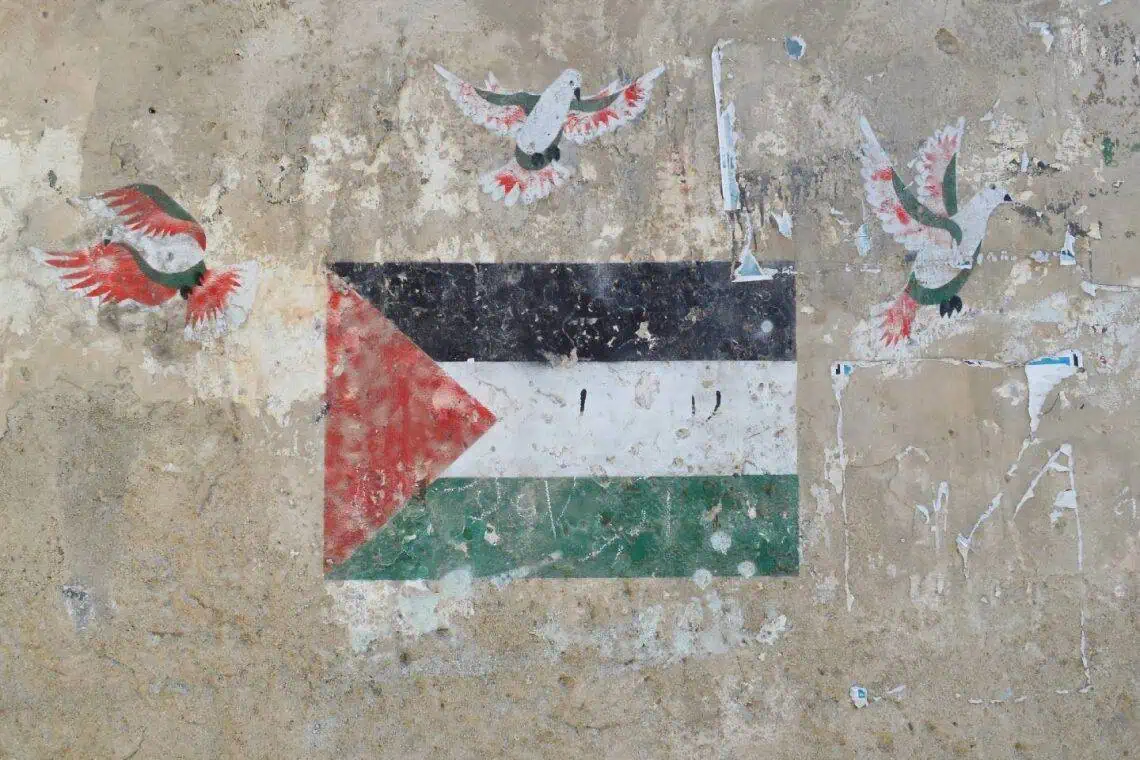

In a dramatic policy shift, South Africa’s Department of Home Affairs has revoked the 90-day visa exemption for Palestinian passport holders, pointing to systematic exploitation tied to the Gaza refugee crisis. Announced on December 6, 2025, by Minister Dr. Leon Schreiber, the decision follows intelligence reports of orchestrated relocations that have sparked fears of ethnic cleansing. As the Gaza conflict continues to claim lives—with over 70,000 Palestinians killed since October 2023—this move forces South Africa to reconcile its longstanding support for Palestine with the demands of immigration control and humanitarian safeguards.
The arrival of Gaza refugees has placed South Africa under intense international scrutiny, challenging the country’s post-apartheid dedication to global justice causes. This change disrupts travel for everyday Palestinians and fuels heated discussions on immigration policies amid rising geopolitical strains.
A Legacy of Solidarity Meets Border Realities
South Africa’s bond with Palestine is rooted in a shared history of fighting oppression, drawing parallels between the anti-apartheid movement and the Palestinian struggle for self-determination. In September 2023, shortly before the escalation in Gaza, the government removed visa barriers for Palestinian passports—a powerful act of kinship praised by Palestinian Foreign Minister Riyad al-Maliki as a pivotal step toward equity. This allowed ordinary Palestinian travelers to visit South Africa for up to 90 days without advance permission, facilitating tourism, business, and family reunions at key entry points like O.R. Tambo International Airport in Johannesburg.
This progressive step emerged from years of grassroots pressure. Since 2020, advocates had highlighted inconsistencies: Israeli citizens could enter visa-free, while Palestinians endured rigorous checks, reminiscent of the discriminatory systems South Africa once abolished. Championed by civil society groups and allies within the African National Congress (ANC), the 2023 reform honored Nelson Mandela’s vow to champion Palestinian rights, cementing South Africa’s role as a moral leader in the Global South.
By late 2025, however, this gesture of goodwill had been undermined. Security investigations uncovered patterns of misuse, including charter flights posing as leisure trips but aimed at mass displacement from Gaza. What was meant to foster connection has now necessitated a tough reevaluation of immigration protocols.
The Charter Flight Controversy: Exploitation Exposed
The crisis peaked in November 2025 with the arrival of two dubious charter flights at Johannesburg’s O.R. Tambo Airport, transporting more than 300 Palestinians from Gaza. The initial flight on October 28, operated by Kenya Airways, carried 176 passengers who were admitted without issue under the visa exemption. But the second, on November 13 via Global Airways with 153 aboard, triggered alarms. Travelers arrived in dire straits: one-way tickets, no baggage permitted, and only U.S. dollars plus basic necessities in hand. Notably, their passports lacked Israeli exit stamps, a glaring irregularity for border agents.
Stranded on the tarmac for nearly 12 hours in oppressive heat, the group faced harrowing conditions—crying children, distraught families—as officials weighed their fate. Initial rejections arose from incomplete paperwork: absent proof of lodging, no return itineraries, and no expressed asylum requests. Intervention from the humanitarian organization Gift of the Givers, under founder Imtiaz Sooliman, arranged interim housing. Foreign Minister Ronald Lamola then authorized entry on compassionate terms, waiving stamp requirements.
Deeper probes unveiled a troubling scheme. National intelligence and the Security Cluster identified “Israeli actors connected to ‘voluntary emigration’ initiatives” as orchestrators, using obscure intermediaries like Dubai firms with South African connections to charter planes. An Israeli-Estonian figure, associated with the Israeli military’s Voluntary Emigration Bureau, reportedly extracted $2,000 per family for these “evacuations,” abandoning them overseas without aid. President Cyril Ramaphosa denounced the operation as Palestinians being “flushed out” of Gaza, fueling charges of demographic engineering.
Palestinian authorities voiced similar fury, blasting unlicensed entities for misleading families and capitalizing on the emergency. Far from leisure travel, this was human trafficking masked as relief, perverting the visa waiver to serve a “larger plan to depopulate Palestinian lands.”
These incidents were not isolated. Reports indicate earlier flights, such as one in May 2025 via a Romanian charter, followed similar patterns, with passengers paying hefty sums via cryptocurrency to shadowy groups like Al-Majd Europe. Many believed they were en route to places like India, only to land in South Africa unprepared. The pattern—bus convoys through Israeli checkpoints, flights without stamps—suggested coordination beyond individual desperation, prompting South Africa to ban further such charters in late November.
The Policy Reversal: Balancing Protection and Principles
Minister Schreiber’s declaration on December 6 was firm: “South Africa will not enable any plot to exploit or uproot Palestinians from Gaza.” The exemption’s end requires standard visa processes for brief visits, while asylum petitions from recent arrivals will receive equitable review. Current visitors under prior rules can complete their 90 days, barring asylum applications.
This adjustment plugs security gaps directly. Embassy-based applications will likely curb group relocations, yet it reaffirms Home Affairs’ pledge to legitimate Gaza refugees, dovetailing with South Africa’s bold 2023 genocide case against Israel at the International Court of Justice (ICJ)—a stance that rallied nations of the Global South.
Detractors view the shift as an unnecessary barrier that harms the blameless. On X, voices like @Ntuli_Theko decried it as a byproduct of “ethnic cleansing” schemes, while @MDNnewss spotlighted procedural flaws stoking online fervor. Searches for updates on the policy have surged, reflecting public unease.
Testing the Ties: South Africa’s Palestinian Commitment Under Strain
South Africa’s advocacy for Palestine transcends words. From sprawling protests to Boycott, Divestment, Sanctions (BDS) drives, grassroots efforts have intertwined Palestinian freedom with the nation’s liberation narrative. The ICJ action and Ramaphosa’s pointed language underscore this resolve, but the visa tightening reveals underlying tensions. Contrasts with more lenient approaches for refugees from Sudan or the Democratic Republic of Congo highlight perceived inconsistencies in empathy.
The fallout for Gaza refugees is stark: Authentic visitors encounter red tape, and asylum routes, though available, face closer inspection. Broader alliances waver; Palestinian advocates worry about cooling relations, especially as South Africa gears up for G20 leadership to project ethical influence. Supporters counter that this strengthens genuine backing—by blocking engineered migrations, resources stay focused on real assistance, such as Gift of the Givers’ sustained Gaza operations.
On the world stage, the dispute spotlights Israel’s “voluntary emigration” strategy, lambasted by rights organizations as covert expulsion. South Africa’s firm response signals that alliance must not become a gateway for efforts eroding Palestinian sovereignty.
Public discourse on X has amplified these divides. Users like @Abramjee have shared Home Affairs statements on the abuse, garnering thousands of engagements, while critics question if the policy betrays Mandela’s vision. Hashtags such as #SAPalestinianVisa trend alongside calls for streamlined asylum, blending outrage with pleas for nuance.
Navigating the Tightrope: Humanitarian Aid, Security, and Future Steps
The Gaza emergency—with 90% of residents displaced and famine alerts sounding—compels countries like South Africa to tread carefully. The visa about-face, though practical, prompts introspection: Does hardening frontiers erode the anti-colonial spirit Mandela championed? Or does it hone efforts on precise interventions, from ICJ advocacy to refugee vetting?
Prospects include expediting asylum for verified Gaza cases while dismantling trafficking rings. Partnerships with Palestinian officials and UN bodies could rebuild confidence, securing visa access for routine trips. As X debates intensify, with @Abramjee’s posts critiquing Home Affairs drawing widespread attention, South Africa doubles down: Authentic solidarity requires guarding against those perverting aid into tools of displacement.
Beyond immediate fixes, this episode highlights broader refugee dynamics. South Africa’s own history as a haven for exiles during apartheid informs its approach, yet the scale of Gaza’s plight—exacerbated by restricted borders and aid blockades—demands innovative solutions. Experts suggest digital visa platforms to ease legitimate applications, while bolstering intelligence-sharing with allies to preempt abuses. The government’s commitment to processing existing claims fairly, as Schreiber emphasized, aims to mitigate backlash from Palestinian communities worldwide.
Geopolitically, the saga intersects with global shifts. As the ICJ case progresses, drawing amicus briefs from nations like Spain and Colombia, South Africa’s stance reinforces its diplomatic clout. Yet, it also invites scrutiny: How does Pretoria sustain its moral authority without alienating partners? The answer lies in transparent, victim-centered policies that distinguish exploitation from escape.
In essence, borders in turmoil are more than barriers—they’re safeguards for the displaced. South Africa’s recalibration, forged from abuse disclosures, strives to uphold both: shielding the needy while nurturing the enduring alliance with Palestine’s fight for dignity and independence. As the world watches, this balancing act could redefine refugee diplomacy in an era of cascading crises.