


As the summer sun bathes Cape Town in golden light, whispers of vibrant colors, infectious rhythms, and cultural rebirth are already stirring excitement for the 2026 edition of the iconic Cape Town Minstrel Carnival. Known affectionately as Kaapse Klopse or Tweede Nuwe Jaar, this beloved festival has long been a cornerstone of the Mother City’s identity. Recent insights from organizers close to the Kaapse Klopse Karnival Association (KKKA) reveal tantalizing details: the theme is officially “Rainbow Renaissance,” a nod to South Africa’s post-apartheid vibrancy and artistic revival. Coupled with an updated route that promises even greater accessibility, the 2026 carnival is poised to be a spectacular fusion of history, heritage, and hope. Whether you’re a local or a first-time visitor, here’s everything you need to know about this unmissable event, from its deep-rooted origins to the modern innovations that keep it alive and evolving.
A Storied Legacy: The Roots of the Cape Town Minstrel Carnival
The Cape Town Minstrel Carnival traces its origins to the mid-19th century, emerging from the shadows of colonial oppression. During the Dutch and British eras, enslaved people in the Cape Colony were granted a rare day of respite on January 2—known as Tweede Nuwe Jaar or “Second New Year.” This day off allowed them to gather in vibrant neighborhoods like District Six and Bo-Kaap, rich with Cape Malay, Khoisan, and other indigenous influences, to celebrate fleeting moments of freedom through song, dance, and disguise. The tradition was born out of necessity and joy: while their enslavers recovered from New Year’s festivities, the enslaved community claimed the streets for their own exuberant expressions of resilience.
Influenced by visiting American minstrel troupes in the 1880s and 1890s—who performed with blackened faces and upbeat melodies—locals adapted these elements into a uniquely South African form. By 1887, the first organized troupe had formed, blending African rhythms with European brass and Asian harmonies to create the distinctive ghoema beat that pulses through the festival today. This fusion wasn’t mere imitation; it was a creative reclamation, transforming foreign influences into a soundtrack of survival and solidarity. The ghoema drum, fashioned from repurposed wine barrels covered in animal skin, became the heartbeat of the parade, its deep, rolling tones echoing the community’s unyielding spirit.
Under apartheid, the event faced severe restrictions, including bans on public gatherings and forced relocations under the Group Areas Act of 1950, which uprooted entire communities from District Six to the Cape Flats. Renamed the derogatory “Coon Carnival” by authorities—a term now widely rejected in favor of respectful titles like Cape Town Minstrel Carnival or Kaapse Klopse—the festival persisted as an act of defiance and cultural preservation. Troupes rehearsed in secret, their songs laced with subtle critiques of oppression, turning the parade into a veiled protest march. Post-1994, with the dawn of democracy, it blossomed into a symbol of unity, drawing up to 100,000 spectators annually. Today, it honors the “creole culture” of Cape Coloured communities, fostering skills in music, dance, and design while addressing social issues like youth development, gender equality, and community cohesion. The carnival’s evolution—from a clandestine gathering to a national treasure—mirrors South Africa’s own journey: from survival to celebration, resilience to renaissance. It’s a living archive, where every twirl of a parasol and blast of a trumpet recounts stories of endurance that resonate far beyond the streets of Cape Town.
“Rainbow Renaissance”: A Theme of Renewal and Diversity
The confirmed theme for 2026, “Rainbow Renaissance,” captures the festival’s spirit of artistic and cultural rebirth against the backdrop of South Africa’s rainbow nation ideal, coined by Nelson Mandela in 1994. This concept draws inspiration from the post-apartheid era’s creative explosion, echoing the Harlem Renaissance of the 1920s while celebrating local icons like Taliep Petersen and Jonathan Butler—both alumni of minstrel troupes who brought Cape sounds to global stages. Petersen, co-founder of the legendary musical District Six, infused ghoema rhythms into Broadway-style productions, proving the carnival’s influence extends to international acclaim. Expect costumes exploding in prismatic hues: sequined satins in every shade of the spectrum, elaborate headdresses adorned with feathers, beads, and recycled materials, and face paint transitioning from bold monochromes to swirling rainbows that symbolize unity in diversity.
Performers will infuse ghoema rhythms with contemporary twists—think brass sections layering hip-hop beats, traditional choruses remixing Afrikaans folk songs with global fusion elements like amapiano or jazz inflections, and even digital soundscapes created by young producers from the Cape Flats. The theme also emphasizes inclusivity, with expanded initiatives for youth workshops on sustainable design, digital storytelling, and mental health awareness through performance arts. These programs, supported by partners like the KKKA and local NGOs, ensure the carnival’s legacy endures for future generations, teaching skills that translate to careers in entertainment, fashion, and education. As one organizer shared in a recent interview, “It’s about painting the future in the colors of our past—vibrant, unapologetic, and united.” This “Rainbow Renaissance” isn’t just a theme; it’s a manifesto for cultural evolution, perfectly timed for a nation reflecting on 30 years of democracy. It invites participants to explore how the festival’s creole roots—blending Malay, African, European, and indigenous threads—continue to weave new narratives of healing and innovation in a post-pandemic world.
The 2026 Route: Navigating Cape Town’s Heartbeat
While official confirmation is pending for minor adjustments, the anticipated 2026 route builds on recent enhancements for broader engagement and logistical ease, as outlined in city planning documents from the past two years. Starting traditionally in the historic heart of District Six on Hanover Street—where troupes assemble near Russell Street from 10 a.m.—the procession kicks off officially at the intersection of Sir Lowry Road and Hanover Street around 11:15 a.m. on January 2. From there, the 20,000-strong parade of minstrels will snake through Cape Town’s CBD, showcasing over 18 renowned troupes like the Original District Six Hanover Minstrels, Fabulous Woodstock Starlites, and Mitchells Plain Young Tycoons Academy.
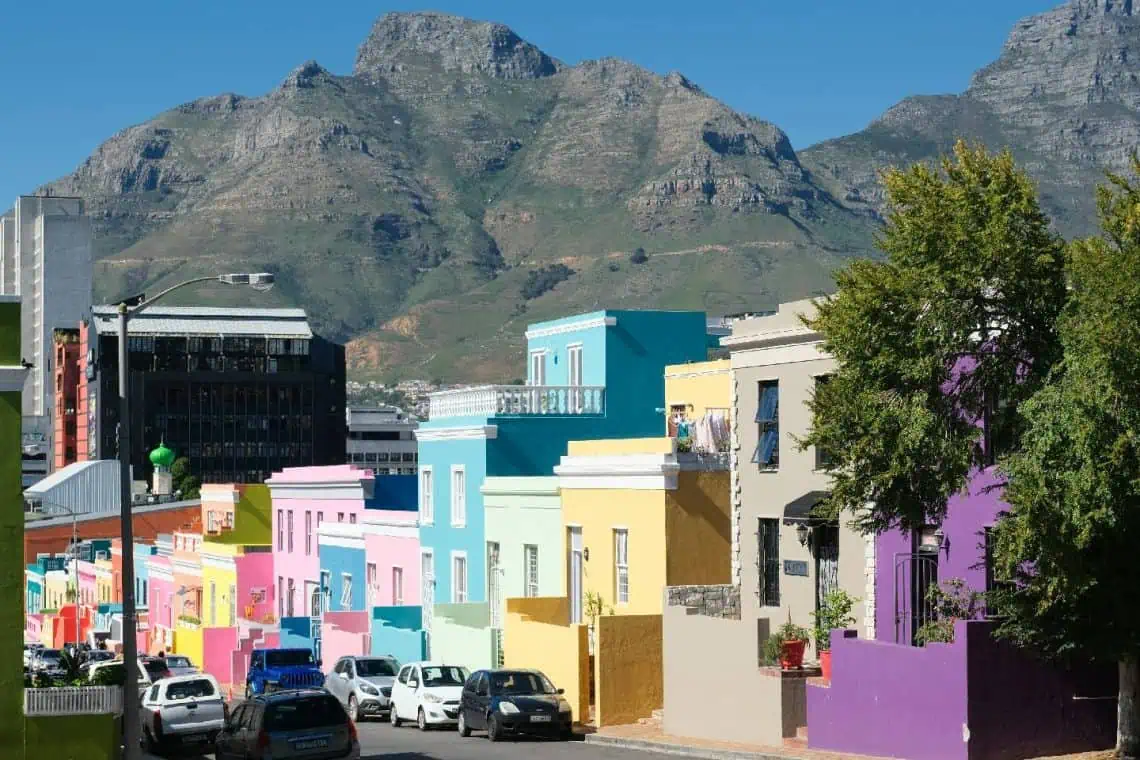
The route then proceeds along Darling Street, through the bustling Hollywoodbets Purple Mile on Adderley Street—a fan-favorite stretch lined with cheering crowds—before ascending Long Street, a vibrant artery pulsing with cafes, galleries, and street art. It curves through Wale Street past the lush Company’s Garden, offering glimpses of blooming jacarandas and historic architecture, then crosses Buitengracht into the colorful Bo-Kaap neighborhood—home to Cape Malay heritage and cobblestone charm—via Schotsche Kloof, ending triumphantly on Rose Street by early afternoon. This path, refined to reduce congestion while amplifying iconic views of Table Mountain, spans about five kilometers and transforms the city into a living stage. Road closures will span from 6 a.m. to midnight, affecting key thoroughfares like Buitenkant, Adderley, Castle, Hout, Shortmarket, Church, Longmarket, Burg, Loop, Bree, Van Der Meulen, Heiliger, and Chiappini Streets. To ease access, public transport via MyCiTi buses will be ramped up, with free shuttles from Athlone Stadium for post-parade competitions and dedicated lanes for emergency vehicles.
For families and mobility-impaired attendees, accessible viewing zones at the Grand Parade offer grandstand seating (limited tickets available via Webtickets). The route’s “Rainbow Renaissance” flair will include pop-up art installations, interactive murals by local artists, and QR-coded storytelling stations along the way, turning the march into an immersive gallery stroll that educates as it entertains. These additions not only honor the theme but also promote environmental consciousness, with troupes encouraged to use eco-friendly fabrics and zero-plastic props.
What to Expect: Music, Dance, and Unforgettable Vibes
Picture this: Waves of performers in synchronized splendor, banjos twanging in rapid staccato, ghoema drums thundering like a collective heartbeat, and tubas belting soul-stirring melodies that fill the air with infectious energy. Each troupe—up to 1,000 strong—delivers a mini-concert on the move, their parasols twirling like kaleidoscopes under the African sky, casting shimmering patterns on the pavement. The 2026 edition promises 20,000 participants, blending timeless hits like “Dis ‘n Nuwe Jaar” with fresh anthems inspired by the theme—perhaps a ghoema-infused track sampling Mandela’s speeches or celebrating women’s roles in the festival’s history. Beyond the parade, the festivities extend into February with weekly competitions at Athlone Stadium, judging categories from best-dressed to champion chorus, drum major precision, and innovative choreography. These events draw thousands more, turning the stadium into a cauldron of competition and camaraderie.
Street parties erupt post-parade, with food stalls hawking Cape Malay treats like crispy samoosas stuffed with spiced mince, aromatic bobotie layered with curry and custard, and syrupy koeksisters twisted into golden delights. Live demos of traditional crafts—beadwork inspired by Ndebele patterns, hands-on drumming sessions, and sewing workshops for custom parasols—add educational depth, allowing visitors to engage directly with artisans. Eco-friendly initiatives, such as zero-waste zones and solar-powered sound systems, align with the renaissance ethos, while safety measures including increased policing, health stations with free water and first aid, and lost-child protocols ensure a seamless experience for the expected 80,000–100,000 crowd. It’s not just a spectacle; it’s a sensory immersion where the scent of Cape spice mingles with the salt of the sea breeze, creating memories that linger long after the last note fades.
Plan Your Carnival Adventure: Tips for an Epic Visit
Cape Town in January is pure magic, but preparation unlocks its full enchantment. Book accommodations early in Bo-Kaap’s colorful confines or the bustling V&A Waterfront for prime access to the route—options range from heritage guesthouses to luxury harborside hotels via platforms like Booking.com. Dress comfortably in layers for the summer heat—sunscreen, hats, and breathable fabrics are non-negotiable—and embrace the spirit by grabbing a colorful scarf or beaded accessory from local markets like the Watershed at the V&A. For international travelers, Cape Town International Airport (CPT) connects seamlessly with direct flights from Europe, Africa, the Middle East, and seasonal routes from North America. Budget for R30–R40 entry to stadium comps, but the parade itself remains gloriously free, democratizing the joy for all.
Combine your trip with nearby gems to extend the adventure: Rise pre-dawn for a cable car ascent up Table Mountain, where panoramic views frame the city like a postcard; savor sundowners at Signal Hill as the sun dips behind Lion’s Head; or wander the emerald lawns of Kirstenbosch Botanical Gardens for twilight concerts featuring local jazz ensembles. Families can delight in the Two Oceans Aquarium’s underwater wonders, while foodies hit the Neighbourgoods Market in the Old Biscuit Mill for fusion bites like biltong croquettes or Cape Malay-inspired sushi rolls. Remember, the carnival is more than spectacle—it’s an invitation to connect with Cape Town’s soul, where every interaction, from a shared laugh with a performer to a spontaneous dance in the street, weaves you into the fabric of this extraordinary place. Pro tip: Download the MyCiTi app for real-time bus updates and arrive early to snag a spot along Adderley Street for the best troupe sightings.
Why the Minstrel Carnival Matters in 2026 and Beyond
In a world craving authenticity amid digital noise, the Cape Town Minstrel Carnival stands as a beacon of unfiltered joy and cultural depth. The “Rainbow Renaissance” theme for 2026 isn’t mere window dressing; it’s a profound affirmation of diversity’s power to heal, inspire, and innovate. As troupes reclaim their narratives through refined routes and boundary-pushing performances, the festival reaffirms its role in nurturing talent—from budding drummers in Mitchells Plain to global stars exporting ghoema to world stages. It addresses contemporary challenges too, like climate resilience through green initiatives and social justice via themed songs that spotlight inequality and hope. For Capetonians, it’s a homecoming that reaffirms identity; for visitors, it’s a revelation that shatters stereotypes and reveals the warmth of South African hospitality.
Yet, the carnival’s significance runs deeper: It preserves endangered languages like Kaapse Afrikaans, passes down oral histories through song, and builds bridges across generations and divides. In 2026, as South Africa marks milestones in its democratic journey, this event will pulse with renewed purpose, reminding us that culture isn’t static—it’s a living force for progress. Mark your calendars for January 2, 2026, and prepare to be swept into a whirlwind of color, cadence, and connection. The Mother City awaits—ready to renaissance, one ghoema beat at a time, inviting you to join the parade toward a brighter, more harmonious tomorrow.