

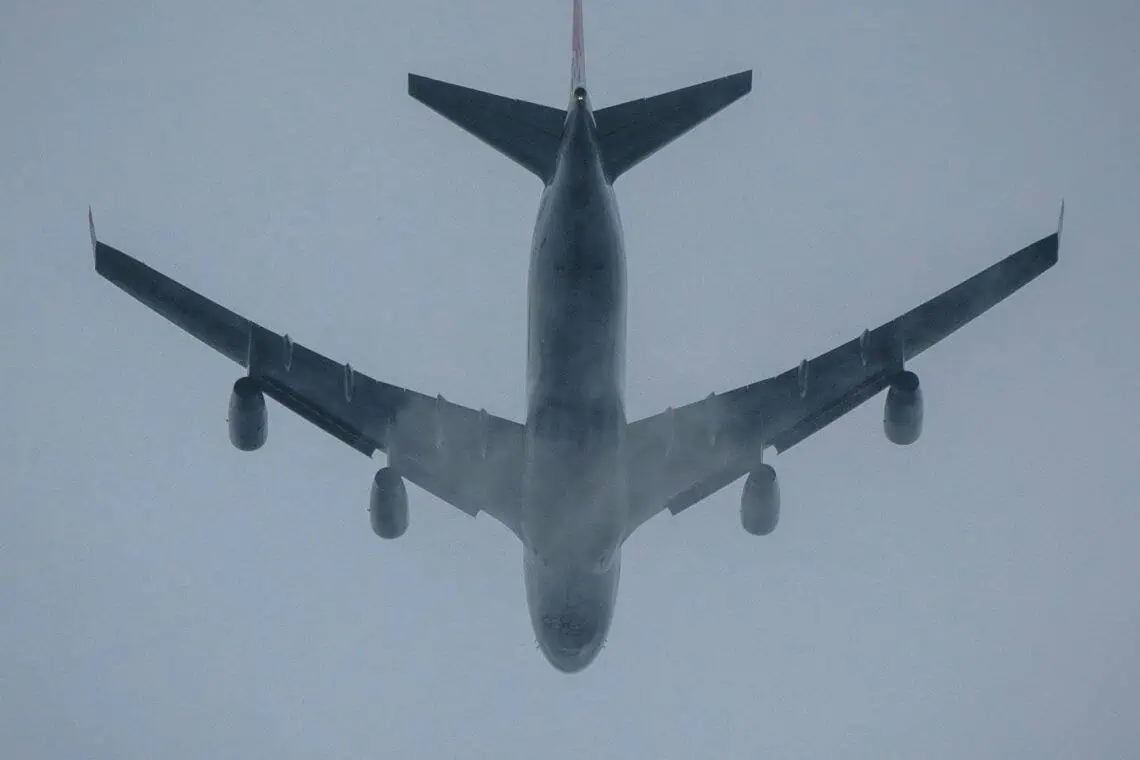

In the volatile skies over South Sudan, a routine humanitarian flight turned into a heart-pounding mid-air standoff on December 2, 2025. A gunman, armed and desperate, seized control of a Samaritan’s Purse aid plane, demanding a daring diversion to Chad. What followed was a masterclass in calm under pressure: the pilot’s clever ruse about needing fuel led to a safe landing in Wau, where security forces swiftly apprehended the suspect. No injuries were reported, but the incident has ignited global conversations on aviation security, especially for charter and aid flights in high-risk regions. As South African aviation experts dissect the event, parallels emerge to ongoing debates in Mzansi about bolstering charter flight protections amid rising threats.
The Hijacking Unfolds: A Desperate Bid in the Skies
The Cessna Grand Caravan, a sturdy turboprop favored for its reliability in rugged terrains, departed Juba International Airport that Tuesday morning laden with critical medical supplies. Bound for Maiwut County in South Sudan’s far northeast, the flight was part of Samaritan’s Purse‘s ongoing mobile medical unit operations, delivering life-saving medicines to communities ravaged by conflict and famine. Aboard were just the pilot and one crew member—a lean operation typical for such short-hop aid missions.
Unknown to the crew, Yasir Mohammed Yusuf, a resident of the disputed Abyei Administrative Area, had stowed away in the rear cabin before takeoff, evading basic security checks at Juba’s bustling terminal. Dressed in a reflective vest mimicking airport staff—complete with a logo from a local charter firm—Yusuf blended seamlessly into the pre-flight chaos. As the plane climbed to cruising altitude, he emerged, pistol in hand, issuing his ultimatum: Fly to Chad, a neighboring nation over 1,000 kilometers away across unforgiving terrain, or face dire consequences.
Chad’s selection puzzled authorities immediately. Sharing no direct border with South Sudan, it suggested a deeper motive—perhaps asylum, political exile, or links to regional insurgencies in the oil-rich Abyei zone. Yet, details remain murky as South Sudan’s National Police Service launches a full probe into Yusuf’s background and intentions. What is clear is the hijacker’s audacity: In a nation where aviation supports vital aid corridors, such an act strikes at the heart of humanitarian efforts. The incident highlights the precarious balance between delivering essential aid and the ever-present dangers in conflict zones, where even the skies offer no sanctuary.
Pilot’s Ingenious Deception: Fuel Feint Saves the Day
For hours, the Caravan circled aimlessly over South Sudan’s northern plains, a tense aerial limbo as the pilot radioed ground control in coded urgency. Eyewitnesses on the ground reported spotting the low-flying aircraft, its path erratic against the vast savanna. Inside the cockpit, the pilot—whose identity Samaritan’s Purse has withheld for safety—employed textbook crisis negotiation tactics, keeping Yusuf engaged while buying time. This approach, drawing from established aviation training protocols, emphasized de-escalation and strategic communication to prevent violence.
The turning point came with a simple, plausible ploy: “We need to refuel, or we’ll never make it to Chad.” It was a white lie grounded in aviation reality—the Caravan’s range tops out at around 1,700 kilometers, but cross-border flights demand reserves for headwinds and emergencies. Trusting the pilot’s word, Yusuf relented. The plane descended toward Wau, a northern hub with a functional airstrip and robust security presence, far from any Chadian frontier. This maneuver not only neutralized the immediate threat but also exemplified how pilots in high-stakes situations leverage technical knowledge to regain control.
Touchdown was flawless. As wheels met tarmac, South Sudan’s National Security Service swarmed the aircraft, subduing Yusuf without a shot fired. “We praise God that no one was seriously injured,” Samaritan’s Purse spokesperson Melissa Strickland said in a statement, crediting “swift action” by local forces. The aid cargo, intact, was rerouted to its intended recipients, underscoring the mission’s resilience amid peril. This successful resolution stands in stark contrast to past incidents, reinforcing the value of coordinated responses between aviation crews and ground authorities.
Echoes of Instability: Aviation in Conflict Zones
This hijacking isn’t an isolated scare. Just a week prior, on November 25, another Samaritan’s Purse-chartered flight—operated by local firm Nari Air—crashed in Unity State, claiming three crew lives while ferrying food aid. South Sudan’s aviation landscape is fraught: Pockmarked runways, fuel shortages, and ethnic militias make every flight a gamble. The UN estimates over 100 aid aircraft incidents since independence in 2011, from ground fire to mechanical failures exacerbated by poor maintenance. These recurring challenges not only endanger lives but also strain the already limited resources of humanitarian organizations striving to reach isolated populations.
Globally, hijackings have waned post-9/11, with Aviation Safety Network data showing only 15 attempts between 2010 and 2019, three fatal. Yet, in Africa, vulnerabilities persist. A 1986 Justice Department analysis highlighted chronic issues: Outdated screening tech, lax baggage checks, and undertrained crews fuel risks. Recent cyberattacks on African airports, including South Africa’s OR Tambo, add cyber dimensions to physical threats. The continent’s aviation sector, while vital for connectivity and aid, grapples with underinvestment in infrastructure, leaving small charter operations particularly exposed to exploitation by determined individuals like Yusuf.
These patterns reveal a broader systemic fragility. In regions like South Sudan, where civil unrest disrupts supply chains, aid flights become lifelines—and targets. The integration of advanced surveillance technologies, such as biometric screening and real-time tracking, could mitigate some risks, but implementation lags due to funding shortages. Moreover, climate-induced displacements exacerbate demands on air transport, creating a vicious cycle of increased exposure without corresponding safety enhancements.
Mzansi’s Mirror: Charter Flight Security Under Scrutiny
Across the continent in South Africa—Mzansi to locals—the incident resonates deeply within booming charter aviation circles. With Lanseria and Grand Central airports hubs for private jets serving VIPs, miners, and tourists, experts warn of complacency. “This South Sudan event is a wake-up call,” says aviation safety consultant based in Johannesburg, who has flown HEMS missions in Mozambique. “Charter ops in Africa often prioritize speed over scrutiny—stowaways like Yusuf exploit that.”
The consultant, with experience in high-risk environments, points to inadequate pre-flight protocols as a red flag. “Screening at smaller fields is perfunctory; vests and badges fool no one with proper checks,” he notes, echoing the 1986 report’s call for armed guards and ID verification. South African charter firms like Africa Flight Group emphasize compliance with SACAA (South African Civil Aviation Authority) standards, but insiders whisper of gaps in high-volume ops. Recent cybersecurity breaches, such as the May 2025 incident affecting South African Airways, further underscore the need for holistic security upgrades encompassing both physical and digital defenses.
The 2016 false hijack alert at Pretoria’s Wonderboom Airport—triggered by a transponder glitch, sparking armed response—exposed response chain frailties. “We can’t afford real versions of that,” warns an aviation analyst who consults for regional carriers. The analyst highlights ISAGO audits accrediting 36 African airports for ramp safety, yet stresses crew training lags. “Pilots like our South Sudan hero need de-escalation sims—calm talk, not confrontation.” In Mzansi, where charter flights to remote mining sites and safari lodges mirror the low-scrutiny aid runs, these lessons are urgent. The SACAA’s push for enhanced briefings on cross-border operations is a step forward, but experts advocate for more rigorous enforcement, including mandatory two-person cockpit rules akin to those in Europe.
Debates in South Africa also touch on broader continental cooperation. With Africa’s aviation market projected to grow exponentially, harmonizing standards through bodies like the African Union could prevent incidents from spilling across borders. Local operators, facing economic pressures, often cut corners on security to remain competitive, a trend that the South Sudan hijacking brutally exposes. Investing in pilot mental health evaluations and simulation-based threat training could bridge these gaps, ensuring that Mzansi’s skies remain a model of resilience rather than a cautionary tale.
Broader Implications: Safeguarding the Skies
The South Sudan drama underscores aviation’s dual role: Lifeline in crises, target in chaos. Humanitarian groups like Samaritan’s Purse, undeterred, vow continued ops with added precautions—partnering for armed escorts on select routes. Globally, ICAO pushes for unified anti-hijack protocols, including AI-driven threat detection at gates. These technologies, from facial recognition to predictive analytics, promise to preempt risks, but their adoption in developing regions hinges on international funding and technical assistance.
For Africa, the path forward demands investment: Upgraded scanners, pilot psych evals, and regional intel-sharing. As the Johannesburg-based consultant puts it, “One clever pilot saved lives this week, but prevention beats heroics.” In a world where borders blur and desperation festers, securing the skies isn’t just policy—it’s survival. The Wau landing may close one chapter, but the global risk ledger remains perilously open. Collaborative efforts, such as joint training programs between South African and South Sudanese authorities, could foster a more secure aerial network. Moreover, engaging private sector innovators in cybersecurity and drone surveillance might offer cost-effective solutions tailored to Africa’s unique challenges. Ultimately, the resilience shown by the unnamed pilot serves as a beacon, reminding the industry that human ingenuity, paired with robust systems, can turn peril into progress.
Looking ahead, the aviation community must prioritize equitable access to safety resources. While wealthier nations fortify their fleets, African operators rely on patchwork regulations that leave them vulnerable. Initiatives like the African Civil Aviation Commission’s push for continent-wide standards could level the playing field, ensuring that aid flights—and the lives they carry—face fewer shadows in the sky. This incident, though harrowing, catalyzes a vital dialogue: How can we transform tragedy into tangible safeguards for tomorrow’s wings?