

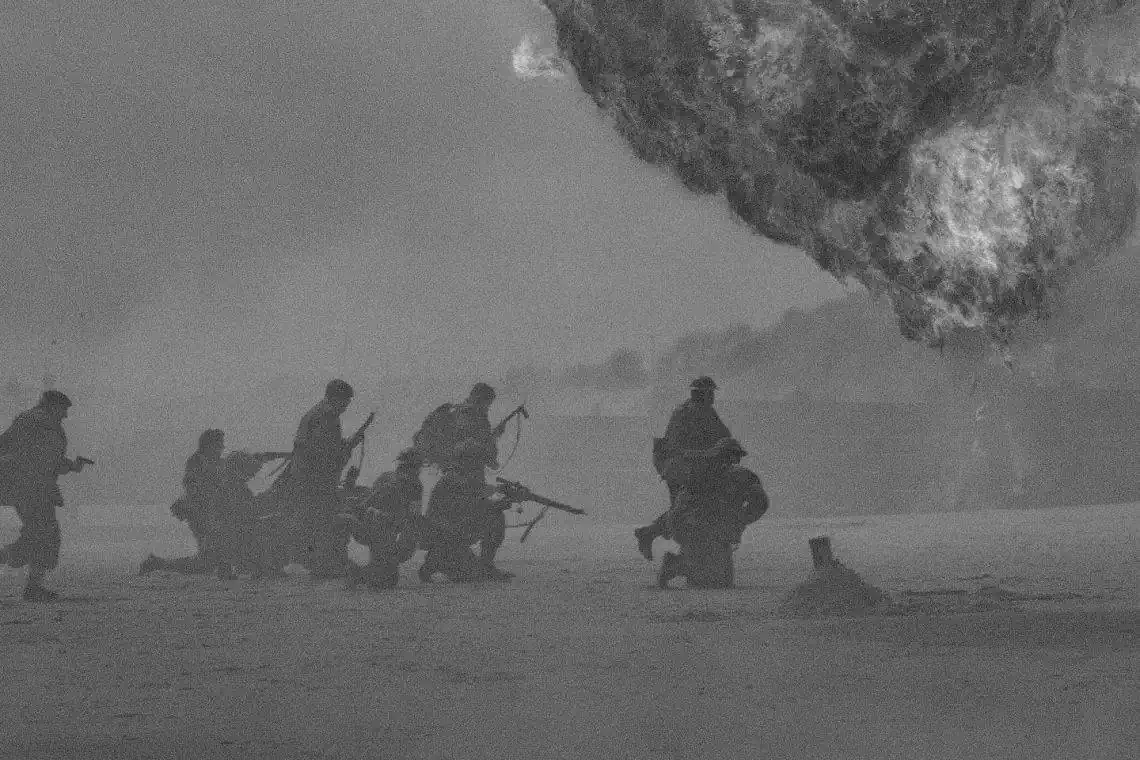

In the hush of November 11, 2025, as global clocks mark 107 years since World War I’s guns fell silent, South Africa channels profound reverence toward a French woodland forever etched with its blood: Delville Wood. This Armistice Day weaves solemn national ceremonies with intimate overseas tributes, honoring sacrifices from the Somme’s mud to North Africa’s sands. From Pretoria’s majestic Union Buildings to Soweto’s vibrant streets, the nation pauses in unity, blending history’s echoes with hope’s resilient pulse—proving peace demands active remembrance.
Delville Wood’s Inferno: South Africa’s Somme Sacrifice
Nestled near Longueval in France’s Somme region, Delville Wood was a serene beech forest until July 1916 transformed it into hell. The 1st South African Infantry Brigade—3,433 strong, drawn from Cape Province, Transvaal, Natal, and the South African Scottish—received orders to seize and hold this key position during the Battle of the Somme. For six merciless days (July 15–20), they repelled wave after wave of German counterattacks amid unrelenting artillery that splintered trees into lethal shards and churned earth into a lunar landscape.
Casualties devastated: 521 killed, 1,586 wounded, 184 missing, leaving just 142 unharmed—an 80%+ loss rate, the war’s costliest for South African forces. Their tenacity halted a German advance, stabilizing Allied flanks. Historian Bill Nasson describes it as a “sacred crucible” where survivors planted makeshift crosses, communing with the dead. The wood’s sole surviving tree, fenced in 2009 by the South African Air Forces Association, endures as a living monument to unbreakable spirit.
Acquired postwar for one symbolic franc through Sir Percy Fitzpatrick’s efforts, the site became South Africa’s national memorial. Architect Sir Herbert Baker’s 1926 design features a flint archway topped by Alfred Turner’s bronze of intertwined soldiers and a war horse, embodying camaraderie. The adjacent cemetery holds 5,568 Commonwealth graves (160 South African), with a 1952 altar honoring WWII fallen. Recent upgrades include an alphabetical wall listing all WWI dead, spotlighting the South African Native Labour Corps (SANLC)—25,000+ Black volunteers who toiled under fire, long sidelined in official tales.
Armistice 2025: Nationwide Silence, Shared Solace
Armistice Day, or Remembrance Day in Commonwealth nations, commemorates the 11th hour of the 11th day of the 11th month in 1918. South Africa’s observances trace to the Memorable Order of Tin Hats (MOTH), founded 1920s, with midnight toasts by candlelight. In 2025, traditions thrive: two-minute silences at cenotaphs in Cape Town, Durban, and Johannesburg; wreath-layings at the Voortrekker Monument; and flagship events at Pretoria’s Union Buildings.
On November 11, under clear skies, thousands gathered at the Union Buildings. SANDF personnel in crisp uniforms stood alongside civilians and dignitaries. At 11:00 sharp, silence enveloped the amphitheater, honoring 229,000 WWI South African servicemen—over 10,000 lost. President Cyril Ramaphosa spoke of reconciliation amid modern tensions, stressing peace’s fragility. “The Last Post” bugle call resonated, followed by a Silver Falcons flypast evoking thunderous applause and quiet tears. Live broadcasts reached millions, with students reciting In Flanders Fields, embedding legacy in young minds.
Smaller rites dotted the landscape: pipe bands in Port Elizabeth, poppy sales funding veterans, and virtual reality tours of Delville Wood via the Ditsong National Museum of Military History. These blend tradition with technology, ensuring Armistice evolves without fading.
France’s Dawn Vigil: Delville’s Inclusive Renewal
In Longueval, predawn mist cloaked Delville Wood for the 2025 service. South African embassy officials, descendants, French caretakers, and historians convened. Wreaths of proteas adorned the memorial; a roll call invoked names from the museum’s honors board. Replanted oaks—from Franschhoek acorns honoring Huguenot roots—symbolize regeneration, tended by locals as kinship gestures.
Post-apartheid reforms shine here: the new engraving wall rectifies exclusions, foregrounding SANLC members who braved shellfire unloading munitions yet faced segregation. As scholar Raffael Scheck documents, these laborers’ contributions fueled Allied logistics, deserving equal pedestal. The event closed with a bilingual luncheon, strengthening ties rooted in mutual sacrifice.
Soweto’s WWII Echoes: Veterans’ Living Legacies
Soweto’s bustling avenues conceal profound histories. Over 344,000 South Africans served in WWII, including Native Military Corps non-combatants in campaigns from Madagascar to Monte Cassino. Many returned to apartheid’s inequities, their valor marginalized. Armistice 2025 spotlighted surviving voices in community halls.
At 101, Dobsonville’s Simon Mhlanga captivates with energy. Conscripted young, he supplied troops evading Axis forces in Libya. “Freedom overseas, oppression at home,” he reflects, yet dances joyfully—his pension supporting veteran gatherings. Mhlanga’s rhythm turns trauma into celebration, inspiring attendees.
In Dube, 96-year-old Elias Tsoamotse recounts El Alamein wounds and a bicycle “reward” versus white comrades’ medals. “We pedaled our dignity,” he quips. Schoolchildren absorb his desert vignettes, preserved by the South African Legion. These stories combat erasure, weaving Black sacrifices into national narrative.
Organizations like the Legion and MOTH amplify such tales through podcasts and archives, countering historical omissions. As global audiences seek authentic war accounts, these oral histories offer raw, relatable insights into resilience across eras.
Bridging Battles: Armistice Lessons for Today
Armistice Day 2025 in South Africa transcends commemoration—it’s a vibrant thread connecting Somme trenches to Soweto stoeps. Delville’s arches now embrace SANLC heroes; Union Buildings silences harmonize with veterans’ songs. This inclusive mosaic reflects constitutional values of equality and peace.
In a world of ongoing strife, these tributes urge proactive harmony. Veterans like Mhlanga and Tsoamotse exemplify turning adversity into advocacy. Delville’s oaks, grown from heritage seeds, whisper that peace blooms from justice. South Africa’s Armistice observances—grand yet personal—model how nations heal, honoring all who forged fragile ceasefires into enduring hope. As 107 years pass, this soul-stirring tribute roots future growth in hallowed ground.
Educational initiatives expand reach: apps simulating Somme battles, school programs on SANLC roles, and international exchanges with French youth. Poppy campaigns fund mental health for modern SANDF members, linking past traumas to present care. These efforts ensure Armistice remains relevant, fostering global dialogues on conflict’s human cost.
Ultimately, Delville Wood 2025 embodies South Africa’s Armistice essence: unity in diversity, valor in vulnerability. From battlefield ghosts to township griots, the message endures—peace is collective stewardship, cultivated daily.