

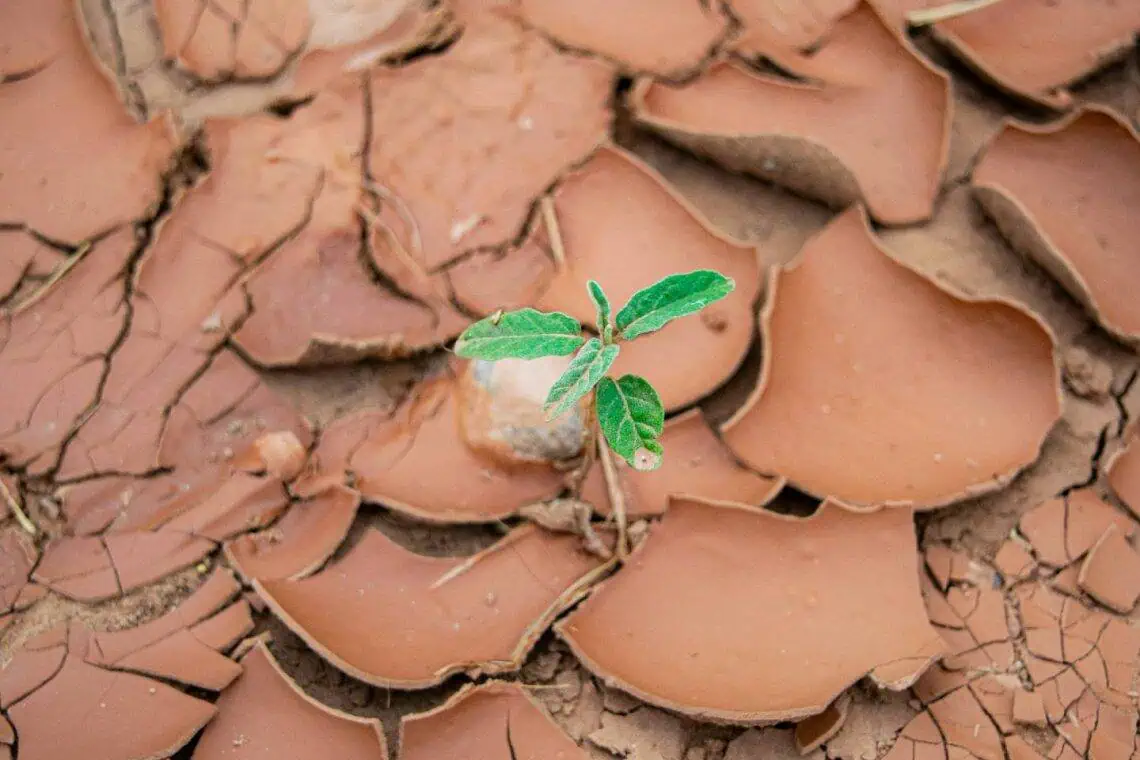

South Africa’s agricultural heartland is under siege. Scorched earth stretches across vast farmlands, livestock herds thin out under relentless sun, and grocery shelves groan under the weight of soaring prices. This isn’t hyperbole—it’s the harsh reality of the most severe drought in a century, a crisis that threatens to upend the lives of millions. But amid the dust and despair, a spark of transformation ignites: the Department of Science, Technology and Innovation (DSTI)’s ambitious Science, Technology and Innovation (STI) Roadmap for Agriculture. Teaming up with the United Nations Food and Agriculture Organization (FAO), this bold initiative charts a course to rebuild the nation’s food system as a fortress of resilience. Picture tech-savvy crops that laugh in the face of arid skies, rural communities buzzing with new jobs, and a greener economy rising from the parched soil. As climate chaos ramps up, this roadmap isn’t just a plan—it’s the lifeline that could feed a nation and beyond.
Unveiled in November 2025, the announcement marks a pivotal turning point. Agriculture anchors South Africa’s economy, injecting around 2.8% into the GDP while sustaining formal employment for about 5% of the workforce—roughly 800,000 souls in fields and factories. Yet, this vital sector grapples with relentless headwinds: skyrocketing input costs that squeeze margins to nothing, power outages that halt irrigation pumps mid-cycle, fierce global market rivalries, and weather whims that turn bountiful seasons into barren wastelands. The 2023/2024 El Niño onslaught amplified these woes, ravaging crops and plunging 27 million people across Southern Africa into hunger’s grip, with projections warning of even sharper spikes in early 2025. In South Africa, rainfed fields in provinces like Northern Cape, North West, and Limpopo teeter on the edge, mirroring the up-to-80% yield crashes seen in neighboring Zimbabwe. This isn’t isolated misfortune; it’s a clarion call for reinvention.
The Gathering Storm: Drought’s Grip on Food Security
No one underestimates South Africa’s dance with drought. With its predominantly semi-arid landscape, the country leans heavily on rainfall for staples like maize and wheat, crops that form the backbone of daily diets. The 2024 El Niño-fueled dry spell didn’t just parch the soil—it halved harvests in critical provinces, leaving silos echoing with emptiness. Smallholder farmers, the unsung heroes of rural life, feel the sting deepest. Many in KwaZulu-Natal and Eastern Cape, where family plots are lifelines, watch helplessly as erratic rains dictate their fortunes. Household food insecurity shadows millions, fueling a vicious cycle of rural poverty where unemployment in districts like Umkhanyakude lingers at a staggering 37.7%. The human toll? Families skipping meals, children stunted by malnutrition, and communities fraying at the edges.
Forecasts from climate scientists paint an even starker canvas: the shift to La Niña in 2025 could unleash floods on drought-weary lands, washing away topsoil and unleashing waterborne diseases in equal measure. Yet, glimmers of ingenuity persist. Commercial operations with drip irrigation weathered the storm better, salvaging portions of their yields through sheer engineering grit. Smallholders, drawing from ancestral wisdom, weave drought-hardy amaranth into maize rotations, locking in precious moisture and nurturing soil health. These adaptive threads, though vital, can’t stitch the fabric alone. Without a coordinated surge, food prices could balloon 20-30%, slamming low-income households and derailing strides toward the UN’s Sustainable Development Goal 2: Zero Hunger. The stakes? A nation teetering between scarcity and sustenance, where every drop counts.
Delving deeper, the drought’s ripple effects extend far beyond the farm gate. In water-starved regions, boreholes run dry, forcing herders to trek miles for fodder, while urban markets scramble to import grains at premiums that inflate consumer costs. Biodiversity suffers too—pollinators dwindle, pests proliferate in the heat, and ecosystems that once buffered extremes now buckle. Economists warn of a 1-2% GDP drag if unchecked, underscoring agriculture’s outsized role in stabilizing rural incomes and national exports. Stories from the ground amplify the urgency: a Limpopo farmer who lost three seasons’ worth of sorghum, or a Free State cooperative rationing seed for the next planting. These aren’t statistics; they’re the faces of resilience tested to its limits, yearning for tools to tip the scales.
STI Roadmap: Forging a Resilient Blueprint
Step forward the STI Roadmap for Agriculture—a symphony of collaboration between DSTI and FAO, slated for full rollout by September 2026. Rooted in South Africa’s STI Decadal Plan 2022-2032 and the 2019 White Paper on Science, Technology and Innovation, it dismantles bureaucratic silos, weaving a tapestry of unified action. The Department of Agriculture, Land Reform and Rural Development (DALRRD), Department of Forestry, Fisheries and the Environment (DFFE), and DSTI’s Agricultural Bio-economy Innovation Partnership Programme (ABIPP) converge, harnessing public-private synergies to propel equitable growth. This isn’t abstract strategy; it’s a living framework, born from September 2025 inception workshops that gathered voices from soil-stained smallholders to boardroom-savvy agribusiness titans.
The roadmap’s essence pulses with practicality, modernizing the agri-food ecosystem to be efficient, inclusive, and eco-stewardly—echoing FAO’s mantra of leaving no one behind. It dovetails seamlessly with the Agriculture and Agro-processing Master Plan, Forestry Sector Master Plan, and Aquaculture Strategy, forming an ironclad alliance against climatic foes. Early consultations, wrapping by September 2025’s close, infused the draft with on-the-ground truths, spotlighting tech infusions for premium crops and fortified value chains. Imagine streamlined logistics that slash post-harvest losses by 40%, or digital marketplaces that connect isolated growers to urban buyers overnight. This holistic lens ensures the plan doesn’t just react to crises but anticipates them, embedding adaptability into every layer of the food web.
Moreover, the roadmap’s governance shines: a steering committee of departmental directors-general charts the course, backed by an advisory council blending industry innovators, academic minds, and frontline implementers. This inclusive architecture guards against top-down pitfalls, fostering buy-in that accelerates adoption. Aligned with FAO’s 2022-2031 Strategic Framework—the “Four Betters” of production, nutrition, environment, and life—it turbocharges progress on SDGs 2, 9, and 13. For South Africa, it’s a pledge to transmute vulnerability into vigor, turning drought-scarred fields into innovation incubators.
Tech Horizons: Crafting Crops for Arid Realms
Technology forms the roadmap’s beating heart, engineering crops that defy thirst. Envision maize strains gulping water with camel-like thrift or wheat breeds basking in 40°C infernos unscathed. DSTI’s charge harnesses genome editing wizards like CRISPR-Cas9, sculpting drought-defiant hybrids from successes abroad, such as Uganda’s blight-battling bananas. Precision farming elevates this further: swarms of drones charting soil hydration in real-time, AI algorithms prophesying yields with eerie accuracy, trimming water waste by 30% in parched precincts.
Harnessing NASA’s Climate Hazards Center satellite intel on soil moisture, early alerts bridge sky patterns to plow-level decisions, averting disasters before they root. Limpopo’s testbeds already hum with IoT sentinels orchestrating smart irrigation, hiking outputs 25% and curbing energy bills. Layer in agroecology—conservation tillage that cradles soil like a blanket, agroforestry weaving trees into croplands for shade and carbon sinks—and the gains compound. These practices don’t just endure; they regenerate, curbing emissions to honor South Africa’s Paris Agreement vows while bolstering biodiversity havens amid monoculture threats.
Digital democracy levels the field: apps beaming weather wisdom and price pulses to off-grid growers, blockchain ledgers ensuring supply chains gleam with transparency from seed to shelf. Scaled through ABIPP’s alliance alchemy, these tools crown South Africa as Africa’s agri-tech vanguard, channeling hardy seeds southward via the SADC’s CCARDESA. Yet, the true magic unfolds in integration: CRISPR-edited sorghum paired with drone-monitored fields, indigenous intercropping fused with AI forecasts. This fusion doesn’t merely survive drought—it thrives, promising yields that nourish without exhausting the land.
Looking ahead, emerging frontiers beckon. Nanotech coatings on leaves to repel excess evaporation, microbial inoculants that coax roots deeper into reluctant earth—these aren’t sci-fi, but roadmap realities in pilot phases. In Mpumalanga’s sun-baked orchards, gene-tweaked citrus varieties sip 20% less water while swelling sweeter. Such breakthroughs ripple regionally, exporting not just produce but paradigms of perseverance, inspiring neighbors from Namibia to Mozambique.
Rural Renaissance: Igniting Jobs and Empowerment
The roadmap’s promise extends roots into rural revival, kindling economies long dimmed by depopulation. Championing high-value gems—quinoa bursting with nutrients, superfood smoothies from indigenous berries—it births jobs in processing precincts where hands once idled. Women and youth, too often footnotes in farming tales, step into spotlights: digital literacy bootcamps arm a million young minds continent-wide through the Africa Adaptation Acceleration Program, with South Africa at the helm. These aren’t handouts; they’re hand-ups, equipping the next generation to code apps that predict pest invasions or broker bulk sales online.
In Free State and Mpumalanga’s verdant veins, agri-parks—over 200 infrastructure juggernauts—bridge farms to fork, unlocking 300,000 jobs as per the Master Plan. Youth-led startups brew biopesticides from backyard labs or hawk harvests via e-platforms, weaving climate smarts into entrepreneurial fire. Incentives like tax rebates and green bonds lure private capital, democratizing credit and insurance for small plots that punch above weight. Public-private pacts, the roadmap’s secret sauce, channel funds where they’re fiercest needed, turning subsistence into surplus.
Indigenous legacies amplify the chorus: KwaZulu-Natal’s matriarchs meld heirloom seed banks with hybrid vigor, safeguarding heritage while harvesting higher hauls. The payoff? Value chains that hemorrhage less waste, supercharge nutrition, and catalyze socio-economic alchemy, lifting 43% of the sector’s female workforce from poverty’s shadow. Envision bustling hubs where solar-powered dryers preserve mangoes for export, or cooperatives crafting herbal tonics from drought-dodging herbs. These aren’t visions—they’re ventures, projected to spawn 500,000 rural roles by 2030, stitching communities back into prosperity’s quilt.
Equity threads through every initiative, with targeted scholarships funneling women into agronomy degrees and mentorships pairing elders with tech whizzes. In Eastern Cape’s communal lands, youth pods experiment with vertical farming in shipping containers, yielding greens year-round sans vast acreage. Success metrics? Not just jobs tallied, but lives transformed—stories of single mothers funding schooling from pecan sales, or villages electrified by biomass from crop residues. This rural renaissance isn’t peripheral; it’s the roadmap’s pulsing core, proving innovation feeds bodies and dreams alike.
Navigating Barriers: Unity, Funding, and Fairness
Obstacles loom, unyielding as cracked clay. Patchy tech uptake roots in cash crunches—smallholders shun loans amid tenure tangles—and frail frameworks that leak resources. Digital chasms yawn wide in hinterlands bereft of bandwidth, while land disputes chill investor zeal. The roadmap rises to these with surgical strikes: bespoke insurance shielding against climate roulette, fiscal lures for eco-innovations, and skill surges via the National Agricultural Research and Development Strategy. It’s proactive armor, not reactive bandage.
Cross-sector harmony is the linchpin. DSTI’s orchestration with DALRRD and DFFE pools R10.5 billion for R&D, a war chest for wonder-working research. Global alliances, amplified by South Africa’s 2025 G20 stewardship, rally Global South solidarity, channeling aid from kin nations. Progress pulses through Human Sciences Research Council (HSRC) pulse-checks, dashboards tracking equity to sidestep urban biases. Challenges morph into catalysts here, with adaptive pilots tweaking tactics in real-time—say, subsidized solar kits for off-grid orchards or blockchain pilots tracing fair-trade rooibos.
Equity demands vigilance: affirmative procurement rings that prioritize black-owned processors, or gender audits ensuring women helm 50% of training cohorts. Funding flows get funneled via blended finance, marrying grants with impact investments to de-risk ventures. In North West’s communal grazing lands, blockchain trials already verify carbon credits from regenerative practices, monetizing stewardship for herder collectives. These maneuvers don’t erase hurdles—they equip climbers with ropes, turning steep ascents into shared triumphs.
Dawn of Resilience: SA’s Agri-Uprising
No blueprint banishes all storms, but the STI Roadmap carves a revolutionary path. Interlacing tech wizardry, collaborative sinews, and inclusive ethos, DSTI is fortifying farms against forever droughts, safeguarding sustenance for 60 million, and verdant-izing the GDP. As 2026 dawns, this momentum could sidestep famines, forge 500,000 rural livelihoods, and etch South Africa as Africa’s innovation lodestar. From Limpopo’s sensor-studded vineyards to Cape cooperatives crafting kelp superfoods, the seeds of abundance sprout—tenacious, just, and inexorable. In arid vistas, hope harvests not survival, but sovereignty: a food-secure future, sown today.
This uprising ripples wider, inspiring a pan-African pivot. As SADC neighbors eye South Africa’s playbook, cross-border seed swaps and shared AI platforms could knit a resilient regional web. Domestically, it beckons bolder bets: R&D tax havens luring multinationals to co-create with townships, or school curricula blending coding with composting. The horizon? A South Africa where drought whispers warnings, not dirges—where fields flourish under watchful tech, communities coalesce around common cause, and every harvest heralds harmony with the earth. It’s not utopia; it’s urgency realized, a testament that from cracked ground, come the strongest roots.