

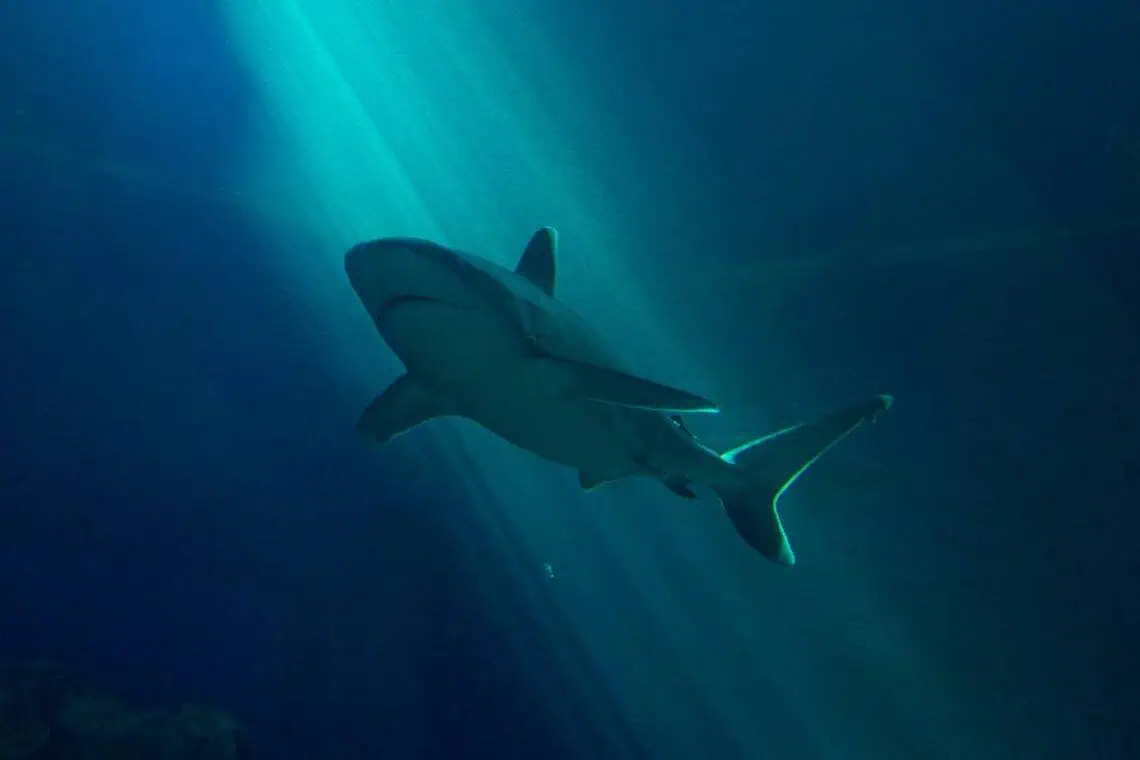

Durban’s golden beaches draw thousands each year, but on this sunny November 30, 2025, a heightened sense of caution ripples through the crowds. The KwaZulu-Natal Sharks Board (KZNSB) has extended the removal of shark nets beyond the typical seasonal window, leaving key stretches of coastline more vulnerable as holidaymakers flock to the waves. Lifeguards, backed by seasonal reinforcements, are issuing stark warnings: stick to flagged zones, swim in groups, and watch for fins. With memories of 2024’s incidents still sharp, this guide uncovers the hotspots to avoid, the safest spots to splash, and proven strategies to ensure your day under the sun stays serene and safe.
The Vital Role of Shark Nets in Durban’s Defense
Since their debut in 1952, shark nets managed by the KZNSB have stood as Durban’s primary shield against ocean predators. Stretched parallel to the shore at 37 beaches along the KwaZulu-Natal coast, these gillnets target large species like tiger, bull, and great white sharks, drastically cutting human-shark encounters. Before their installation, the city endured seven fatal attacks between 1943 and 1951, crippling local tourism as fear kept visitors away. Post-nets, no fatalities have occurred at protected Durban sites, underscoring their life-saving impact.
Yet, these barriers have limitations. Floating just a few meters deep, they permit sharks to vault over or slip beneath, offering no full enclosure. Their toll on non-target species is steeper: from 2013 to 2017, over 2,000 sharks, 131 dolphins, and 114 turtles met their end in the meshes, sparking outrage from conservationists. Groups like SharkLife advocate for greener options, including drone patrols and sound-emitting repellents. Still, nets persist as the go-to safeguard, blending efficacy with controversy.
Annually, nets come down from May to November to shield migrating sardines and humpback whales during the spectacular Sardine Run—a frenzy of baitfish that lures predators en masse. The 2025 run kicked off in June, prompting removals at 25 south coast beaches to curb bycatch. Though concluded by late November, reinstallation lags due to persistent high winds and rough seas, delaying full coverage. The KZNSB insists on calm conditions for safe deployment, but the hold-up leaves swimmers exposed, especially in southern sectors where currents stir the pot.
This isn’t mere oversight; it’s a calculated balance. The board’s 22 kilometers of netting and 107 drumlines have slashed attacks province-wide, but environmental pressures mount. Recent trials of electronic cables in Mossel Bay repelled white sharks 100% effectively without harm, hinting at a hybrid future. For now, though, vigilance fills the gap left by absent nets.
Echoes of 2024: Shark Encounters That Shook Durban
Last year etched a grim tally into KwaZulu-Natal’s coastal lore, with unprovoked shark bites rising amid warmer seas and busier beaches. Since 1905, the province has logged 90 attacks, but 2024’s uptick—five incidents, two fatal—mirrored worldwide surges from climate shifts boosting shark-human overlaps. These weren’t anomalies; they were wake-up calls from an ocean reclaiming its wild edge.
The year’s darkest hour struck at La Lucia Beach in April, when a swimmer fell to a suspected great white. Found at 4:30 PM by a jogger, the victim bore devastating wounds to the arm and chest; responders from Netcare 911 confirmed shark bites. A second swimmer vanished into the surf before help arrived, amplifying the tragedy at this northern haven famed for gentle swells. Even with patrols, the strike exposed how complacency invites catastrophe.
Southward at uMhlanga Main Beach, July brought a bull shark’s ambush on a surfer, slashing his leg in a chaotic clash. Onlookers watched in horror as he fought free, jet skis racing to his aid for a non-fatal extraction. The beach shuttered briefly, but the rapid response—lifeguards hauling him ashore in minutes—averted disaster, a nod to drilled efficiency amid panic.
Central Durban’s North Beach weathered two brushes: a bodyboarder’s foot nip in March by a juvenile, and a October graze on a swimmer. These fleeting “hit-and-runs” from inquisitive young sharks rattled nerves but healed fast. Nearby, Pipeline Beach’s fierce rips nearly claimed a diver fending a tiger shark with his spear—a heart-pounding standoff that ended with him paddling to safety, unscathed but sobered.
The south fared no better. September’s horror at Brighton Beach stole a fisherman’s life, his torso ravaged beyond recognition when recovered. At uMdloti Main, a near-fatal scrape in August left a paddleboarder with gashes from a blacktip. Experts link the cluster to migratory pulses, as baitfish schools magnetize hunters. KwaZulu-Natal’s five bites—two deadly—pale against global stats, yet they ignite debates on coexistence in shared waters.
Beyond bites, 2024’s drownings dwarfed shark threats, claiming over 100 lives province-wide—four in Durban alone over two December days, including three colleagues swept from Umdloti during a year-end bash. These losses, often from rip currents, underscore that human error, not fins, poses the deadlier foe. As one NSRI rescuer noted, “Sharks don’t chase; waves do.”
Lifeguards Sound the Alarm: Sunday’s Must-Know Rules
With 28°C skies and azure seas on November 30, 2025, eThekwini Municipality’s 160-plus lifeguards—swelled by holiday hires—stand sentinel from 6 AM to 6:30 PM. “Flags are your lifeline—swim there, never solo, and bolt at any dorsal,” implores Lifesaving South Africa’s Dhaya Sewduth. Absent nets amplify duties; patrols wield whistles, sirens, and crimson flags to halt the unaware.
Prime directives: Shun dawn and dusk dips, peak shark prowls. Post-rain murk confuses predators—exit immediately. Jellyfish surges, flagged purple for bluebottles, sting without mercy; this month’s blooms have netted reports coast-wide. Rowdy revelers pose risks too—recent scuffles at North Beach saw guards ejecting agitators, a reminder: respect the red, or face the boot.
Families, heed patrolled shallows; kids’ drownings spike sans supervision. The National Sea Rescue Institute (NSRI) tallies patrols, pushing apps like Shark Spotters for instant pings. “Zero tragedies—that’s the mission,” vows a uMhlanga captain. Follow suit, and your soak turns splashy joy, not sorrow.
Training bolsters the front line: rescuers drill on rips, spotting foam trails as telltale traps. Their “break, breathe, beckon” mantra—parallel swim, float, signal—has pulled dozens from peril. Yet, with 1.3 million festive visitors eyed, overload looms; early deployments, urged by Lifesaving SA, could stem the tide of mishaps before peaks hit.
Top Safe Havens: Beaches Primed for Your Plunge
November’s water checks gleam: 22 of 23 beaches ace E. coli screens, barring Ansteys (860 count—steer clear). Net voids pivot eyes to guarded, low-hazard gems. Dive into these open oases for Sunday bliss:
- uMhlanga Main Beach: North’s tranquil treasure, lagoon-lapped for tots. Round-the-clock guards; labs laud its clarity. Dodge rocks—shark hideouts.
- Golden Mile (Addington/North Beach): Heart-pounding promenade pulse. Currents challenge, but flags funnel security. 2024’s grazes? Handled in heartbeats.
- uShaka Beach: Aquarium-adjacent, kid-centric with gradual depths. Stellar quality; crowds repel prowlers.
- Battery Beach: Harbor-south urban oasis, refreshed by 2025 revamps. SUP haven, but hug shallows under watch.
- Country Club Beach: Quiet south sanctuary, attack-light legacy. Welcoming waves; crews preach packs.
Track eThekwini’s app for flashes—closures flip quick. These havens marry vigilance with vibe: powdery dunes, balmy Indian Ocean laps, electric shore hum.
Expand horizons: southern strands like Rocky Bay, topographically shark-shy, thrive sans nets via spotters. Northern Richards Bay, patrolled rigorously, logs rare brushes. Each pick blends peril-proofing with paradise, letting Durban’s allure shine unshadowed.
Hidden Perils: Navigating Beyond the Jaws
Sharks steal spotlights, but rips reaped 40 souls in 2024 KZN—sixfold the bites. Lifeguards scout these sneaky “sea rivers,” foam-streaked snares, coaching “break, breathe, beckon” escapes. Parallel paddle to freedom, then hail help— a sequence saving scores annually.
Water woes, scarred by 2024 deluges, mend via R500 million upgrades: pipes patched, pollutants piped away. Storm chasers, pause—turbid tides tempt trouble. UV spikes from SA’s ozone thin spot demand SPF 50 rituals; hat up, hydrate hourly. Crowds breed crooks; stash gear in secured lockers, eyes ever on belongings.
Crave waves sans worry? 34 municipal pools beckon: Kings Park’s Olympic expanse for laps, Glenwood’s pint-sized pads for play. Post-Sardine Run, dolphin fleets linger—pier-gaze gratis, risk-free. Or hike coastal trails: Virginia’s bluff paths yield vistas minus ventures into the drink.
Health hacks abound: pre-swim snacks curb cramps, post-dip rinses fend fungi. For surfers, leash laws and wax checks prevent wipeouts. These tweaks transform treks from tense to triumphant, weaving wisdom into waterfront whimsy.
Harmony in the Depths: Safety Meets Stewardship
Nets embody irony: human heroes, ocean hangmen. SharkLife’s push to yank them from low-threat lairs like Rocky Bay cites spotter triumphs and natural barriers. Australia’s drone demos slash sightings 90%, bloodless. Durban dreams of fusions—nets fused with tech—for 2026 rollouts, per KZNSB whispers.
Sharks aren’t foes; they’re ecosystem enforcers, pruning ray hordes that graze seagrass meadows, safeguarding dugong diners. Odds of a bite? Slimmer than lightning (1 in 3 million dips). Demystify at KZNSB’s Maritime Centre: exhibits unveil finned feats, breeding awe over alarm. Tours tag along on net runs, revealing removals’ rhythm and reps’ resolve.
Conservation clicks: tag-and-track tech maps migrations, curbing culls. Community courses—Lifesaving SA’s beach drills—empower locals as first responders. Globally, SharkSafe Barriers, kelp-mimicking magnets, shield sans slaughter; South African-born, they’re rippling worldwide. Durban’s poised to pioneer, proving protection needn’t pillage.
Seize the Shore: Informed Waves Await
Durban’s dunes whisper welcome, not warning—when wisdom leads. As nets creep back incrementally, etch lifeguard lore this Sunday: flags frame fun, squads sync splashes, scans spot shadows. 2024’s chills thaw in sands’ warm embrace. Plunge prepared, surface pumped. Your epic seaside saga? Just a breaker away.
Embrace the ethos: each alert shared saves a swim, each net tweak tides toward tomorrow. Durban endures not despite dangers, but through danced defiance—humans and sea in rhythmic respect. Here’s to horizons hazy with heat, hearts full from fearless frolics. The tide turns; ride it right.