

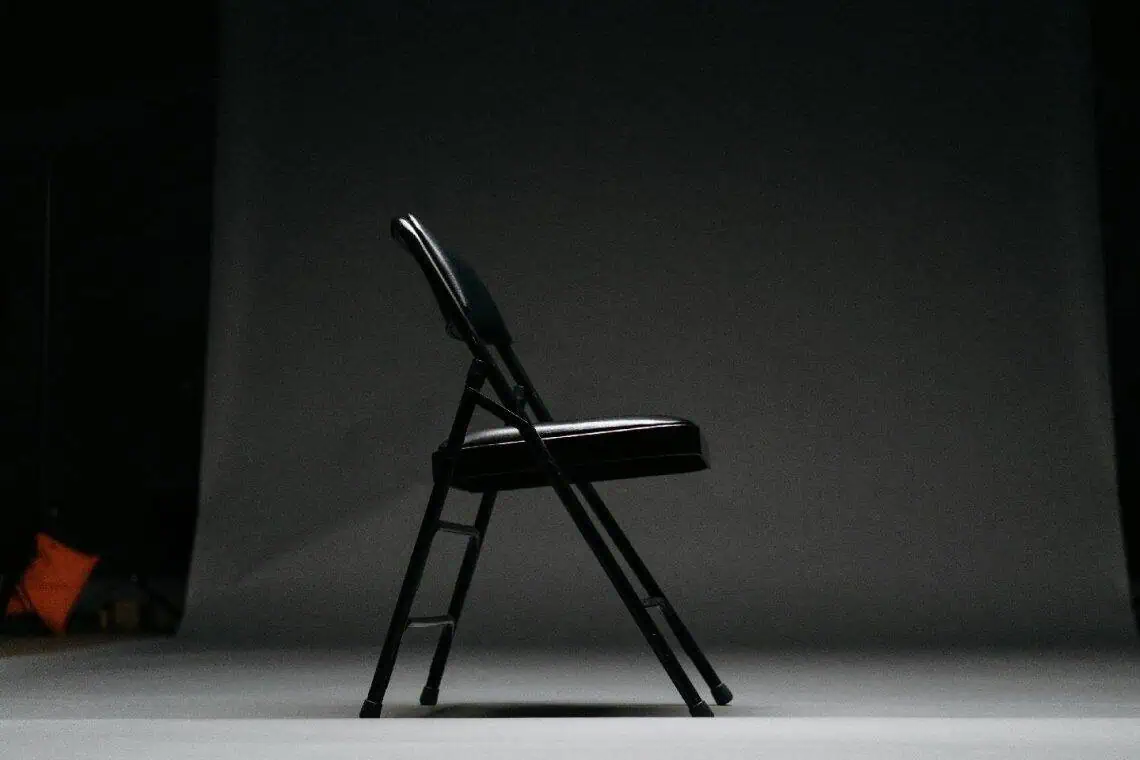

Symbolic handover sparks global debate: Diplomatic masterstroke or risky escalation in trade wars?
In the charged world of international diplomacy, an “empty chair” can speak volumes. As South Africa hosts the landmark G20 Leaders’ Summit in Johannesburg on November 22-23, 2025, President Cyril Ramaphosa has unveiled a daring strategy: symbolically passing the G20 presidency gavel to an unoccupied seat meant for the United States. This bold move responds directly to U.S. President Donald Trump’s full boycott of the event, driven by persistent disputes over South Africa’s land reform initiatives, debunked allegations of violence against white farmers, and Pretoria’s firm positions on global matters such as the Gaza crisis.
The idea of the “empty chair,” first mentioned by Ramaphosa in May 2025 during a fraught White House meeting with Trump, has transformed from a diplomatic nudge into a clear statement of resolve. “I don’t want to hand over to an empty chair, but the empty chair will be there,” Ramaphosa remarked recently while inspecting summit venues in Soweto. With no American representatives attending—not even Vice President JD Vance—the gesture carries heavy weight. Yet, does this represent a clever use of soft power to unite emerging economies, or does it court severe economic pushback? As eyes turn to Johannesburg, the outcome could redefine partnerships in an increasingly divided global landscape.
Origins of the Divide: From White House Tensions to Tariff Battles
The strained relationship between Ramaphosa and Trump dates to Trump’s inauguration in January 2025. Their May encounter turned confrontational when Trump presented Ramaphosa with a misleading video compilation purporting to show attacks on white Afrikaner farmers—a storyline drawn from fringe theories, thoroughly refuted by South African officials and independent verifiers. Maintaining his composure, Ramaphosa outlined the nation’s land expropriation legislation, enacted in late 2024, as a balanced approach to correct apartheid’s lingering disparities without seizing private assets.
Trump’s language only intensified. In a November 8 social media outburst, he denounced the Johannesburg gathering as a “total disgrace” and declared a complete U.S. withdrawal, ostensibly to “safeguard Afrikaners.” Experts, however, highlight underlying conflicts: South Africa’s ICJ proceedings against Israel, which Trump deems “anti-American,” alongside Pretoria’s push for emerging market concerns like debt forgiveness and climate funding—priorities that Washington sees as eroding its sway.
Commercial strains add fuel to the fire. The U.S. levied 30% tariffs on South African goods earlier this year, striking vital areas such as farming and industry. As Africa’s top trade link to America, South Africa forfeits billions yearly via the African Growth and Opportunity Act (AGOA), which Trump has vowed to terminate. Ramaphosa has called for moderation, noting that “the USA remains a vital market” amid the slight. Nonetheless, this boycott marks the nadir of ties since apartheid’s collapse in 1994, evoking memories of isolation and resilience.
These tariffs have already rippled through South African communities, with citrus growers in the Eastern Cape reporting a 25% drop in exports since their imposition. Manufacturers in Gauteng face higher costs for U.S. machinery, slowing production lines and threatening thousands of jobs. Ramaphosa’s administration has pivoted toward alternative markets in Asia and Europe, but the sudden U.S. chill underscores the fragility of post-apartheid economic bridges built over decades.
The Empty Chair: Echoes of Diplomatic Drama
This diplomatic device draws from a storied past. It recalls the 1961 Paris Summit, where Soviet leader Nikita Khrushchev stormed out, leaving a hollow U.S. spot in Cold War theater, or the 1980 Moscow Olympics, boycotted by the West over the Afghan invasion. Ramaphosa repurposes it as critique and call to dialogue: a stark emblem of American withdrawal, paired with an open door for return.
In the handover ritual—echoing the seamless shift from Brazil’s Luiz Inácio Lula da Silva in Rio last November—Ramaphosa will speak to the absent figure. “Even though you are not here, I am now handing over to you the reins,” he plans to declare, affirming South Africa’s dedication to unbroken progress. Far from spite, this is strategic theater aligned with the summit’s mantra of “Solidarity, Equality, and Sustainability,” priorities since Pretoria’s December 1, 2024, takeover.
Online fervor heightens the spectacle. On X, memes proliferate, like one joking, “Ramaphosa passing the gavel to Casper the Ghost—Trump’s absent specter at G20.” A post from Al Jazeera English racked up 1,300 likes: “Ramaphosa: Trump’s boycott is ‘their loss’—a stand for emerging economy independence.” Coverage spans the BBC’s “Boycott Politics Fails” to Reuters’ trade analysis, underscoring the gesture’s worldwide pull.
Experts note the symbolism’s potency in Africa’s first G20 hosting. “It’s a reminder that the forum endures beyond any single player,” says Dr. Nomvula Makhubele, a Johannesburg-based international relations scholar. Social media threads from African youth amplify this, with hashtags like #G20Jozi trending, blending humor and hope for a platform where continent-specific issues take center stage.
Uniting Emerging Economies: A Stand Against Withdrawal?
For emerging markets, this empty chair might ignite solidarity. South Africa’s tenure—the inaugural African-led one—follows a chain of dynamic presidencies: Indonesia (2022), India (2023), Brazil (2024). This progression has elevated talks on disparity, food insecurity, and institutional tweaks, culminating in Brazil’s blueprint for revamping development banks.
Ramaphosa’s ploy casts South Africa as an unyielding connector, unshaken by Western no-shows. Over 40 leaders, including India’s Narendra Modi and Brazil’s Lula, have pledged presence—though China’s Xi Jinping cites scheduling conflicts. The African Union, a fixed G20 member since 2023, views it as affirmation: “The show must go on,” Ramaphosa asserts, vowing “pivotal choices” on debt burdens—a boon for cash-strapped states.
Scholars like Elizabeth Sidiropoulos from the South African Institute of International Affairs praise it as “diplomatic artistry,” nurturing ties among Southern nations amid U.S. pullback. X chatter from African voices cheers: “Farewell Trump, time for self-reliant summits,” one tweet reads, capturing a bold continental mood. Success here might hasten BRICS+ momentum, letting emerging powers sidestep Western blocks on environment and commerce.
BRICS expansion, now encompassing Egypt, Ethiopia, Iran, and the UAE, exemplifies this shift. At recent summits, members pledged $100 billion in alternative financing, reducing reliance on institutions like the IMF where veto powers loom large. Ramaphosa’s approach could weave G20 threads into this fabric, fostering a multipolar web that prioritizes equitable growth over unilateral dictates.
Potential Repercussions: Financial Strain and Alliance Strain
Detractors caution against fallout. Trump’s absence halts U.S. input on working groups, risking deadlocks on AI regulation and hunger mitigation—hallmarks of Ramaphosa’s platform. With Argentina’s Javier Milei opting out (dispatching Foreign Minister Pablo Quirno), the global North-South chasm deepens.
The economic toll looms large. South Africa ships $10 billion worth to the U.S. yearly, including rare earths essential for renewables. AGOA axing could shutter factories, worsening 33% joblessness. EFF’s Julius Malema dismissed Trump’s assertions as “fabrications from a fringe group,” yet concedes the danger: “This plunges U.S.-South Africa bonds to new depths.”
On the world stage, the ploy might repel centrists. Ramaphosa’s Finance Minister Enoch Godongwana branded Trump’s story “baseless, schism-creating, and hazardous,” pushing for joint ventures in tech and energy. X sentiments divide: Fans hail “Hold firm, President!” while skeptics label it “grandstanding,” voicing worries that flair could sideline South Africa just as collective action is crucial for weather crises and outbreaks.
Small businesses feel the pinch acutely. A wine exporter in Stellenbosch laments delayed shipments, while tech startups in Cape Town scramble for U.S. venture capital now frozen. Diplomatic cables suggest quiet outreach to U.S. senators for AGOA renewal, balancing defiance with pragmatism in a high-wire act.
Worldwide Ripples: Reflecting Shifting Power Dynamics
Johannesburg’s drama mirrors broader turbulence. Trump’s “America First” resonates in European nationalism and Asian assertiveness, testing the post-1945 framework. The G20, forged in 1999 against the Asian crash, now stewards 85% of world output amid waning confidence.
For emerging realms, it’s a proving ground. Debt-burdened spots like Nigeria and Indonesia—where over half of low-income African states teeter on default—observe keenly. If Ramaphosa clinches debt deals sans U.S. nod, it might herald a “G19” phase of fairer rule. Stumble, and rifts harden, as X forums query: “Solitude or showmanship?”
This moment also spotlights climate inequities. South Africa’s summit agenda demands $1 trillion annually for adaptation in vulnerable regions, a figure the U.S. has historically resisted. With Pacific island delegates in attendance, the empty chair symbolizes not just absence but the cost of disengagement in a warming world, where rising seas threaten entire economies.
Looking to 2026: G20’s Evolving Path
As Johannesburg buzzes, anticipate advances under Ramaphosa: equitable expansion, AI principles, equitable energy shifts. The November 23 handover will punctuate events, a moving end to Africa’s G20 premiere. Ramaphosa’s finale might reprise his Rio pledge: “We commit to propel G20 efforts for amplified worldwide prosperity and enduring progress.”
Will it forge emerging unity? Initial indicators point affirmatively—BRICS allies like Brazil and India echo Pretoria’s reform bid. Or provoke reprisal? Solely future—and Trump’s forthcoming post—will reveal. In this handover year, from Brazil to South Africa to a hesitant U.S., one certainty persists: Emerging voices aren’t merely seeking a place at the table anymore. They’re designing it.
The summit’s side events, from youth forums to civil society dialogues, further embed this ethos. Over 10,000 participants engage in workshops on digital inclusion and sustainable agriculture, ensuring the G20’s legacy transcends leaders’ photos. For South Africa, it’s a chance to showcase ubuntu—collective humanity—in action, proving that even an empty chair can’t silence a rising chorus.
Long-term, this could catalyze G20 reforms, like weighted voting in finance tracks to amplify smaller voices. Analysts predict a post-summit push for a “Global South Compact,” outlining mutual aid beyond traditional aid circuits. As Ramaphosa navigates these waters, his empty chair becomes not a void, but a canvas for reimagining global order—one defiant gesture at a time.