

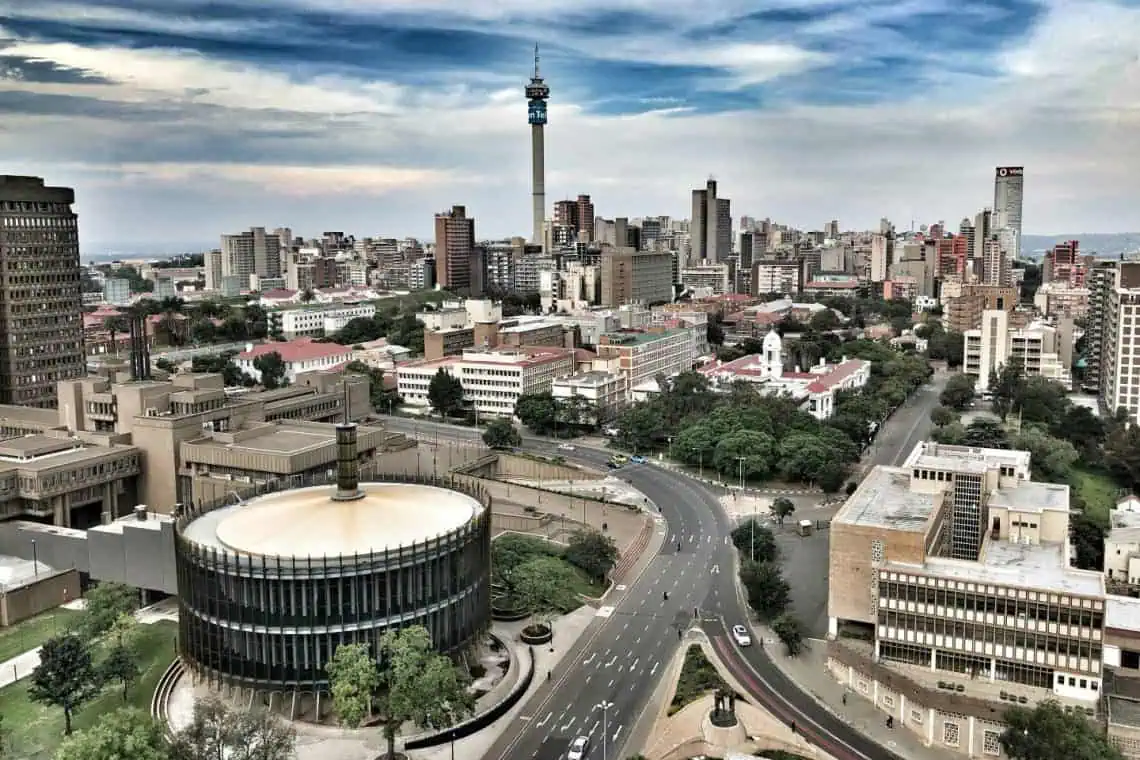

The global spotlight hits Johannesburg November 22–23, 2025. World leaders converge for the G20 Summit under “Solidarity, Equality, Sustainability.” South Africa hosts for the first time, transforming the city into a diplomatic epicenter. Expect economic surges, cultural showcases, and inevitable disruptions. This guide delivers verified impacts, five proven preparation strategies, and exclusive volunteer pathways to make history.
Johannesburg’s G20 Windfall: Verified Impacts
Tourism revenue forecasts top R1.2 billion in direct spend, according to South African Tourism’s 2025 projections. Delegates, journalists, and side-event visitors will fill hotels to 95% occupancy in Sandton and Rosebank precincts. The Apartheid Museum and Constitution Hill anticipate a 40% attendance spike during summit week.
Infrastructure commitments already total R800 million in public-private upgrades: resurfaced roads along the M1 corridor, expanded Gautrain feeder buses, and 5G nodes across the Sandton CBD. The City of Johannesburg’s 2025/26 budget allocates R150 million specifically for G20-related beautification and security.
Security protocols mirror the 2018 BRICS Summit: 8,000 additional officers, drone surveillance, and no-fly zones over Nasrec and Sandton Convention Centre. Traffic models predict 25–35% longer commutes on Oxford Road and Rivonia Road between 06:00–10:00 and 15:00–19:00 on summit days.
Environmental pledges include a 50,000-tree planting initiative by November 15 and a temporary ban on single-use plastics at all official venues. Yet private-jet arrivals could generate 15,000 tons of CO₂—equivalent to 3,000 average households annually—prompting local offset campaigns.
5 Proven Ways to Prepare Your City
1. Execute Hyper-Local Clean-Up Sprints
President Ramaphosa’s “Clean & Safe Jozi” directive targets 120 high-visibility zones. Community councils in Melville, Soweto, and Midrand have scheduled Saturday blitzes through November 16. Use the Pikitup app to log illegal dumping; response times average 48 hours. Plant indigenous spekboom along Jan Smuts Avenue—each shrub sequesters 4 kg CO₂ yearly.
2. Deploy Smart Traffic & Security Layers
JMPD’s Traffic Management Plan designates 14 alternate routes; download the PDF from their portal. Corporates in Sandton must submit shift-staggering schedules by November 8 to qualify for dedicated shuttle lanes. Neighborhood watches integrate with Vumacam’s 6,000-camera network—real-time alerts reduced break-ins 22% in 2024 pilots.
3. Curate Micro-Cultural Experiences
The Johannesburg Tourism Company offers free G20 host training modules in 11 languages. Pop-up stages at Keyes Art Mile and 44 Stanley feature lineups November 1–21. Artisans at the Neighbourgoods Market must register sustainable packaging by November 10 to access delegate gift packs.
4. Run Hyper-Relevant Civic Education
Partner with SA Good News for ready-made G20 lesson kits—over 300 schools enrolled. Host #G20JoziPrep Twitter Spaces every Wednesday 19:00; last session drew 8,400 listeners. Youth hackathons at Tshimologong Precinct award seed funding up to R50,000 for viable urban solutions.
5. Arm SMEs with Summit Playbooks
The Small Business Institute launches free webinars November 4–15 covering delegate catering RFPs and e-commerce export setups. Sandton’s Africa Business Hub pairs 200 SMEs with multinational mentors; 68% of 2024 pairings secured contracts within six months. Mandate compostable packaging to qualify for the official G20 supplier directory.
Volunteer Pathways: Claim Your Front-Row Seat
The G20 Social Summit (November 18–20) extended volunteer registration to November 8 via g20.org. Roles span facilitation, translation (15 languages), and sustainability auditing. Selected volunteers receive accredited certificates recognized by LinkedIn Learning.
Youth Engagement and Action (YEA) South Africa runs November 10–22 with site tours of Nasrec Expo Centre and policy simulations. Environmental NGOs coordinate under Greenpeace Africa for zero-waste venue crews. Cultural volunteers staff Mandela Legacy pop-ups at Liliesleaf and Hector Pieterson Museum.
Corporate secondments allow employees paid leave for accredited roles—Absa and Standard Bank committed 180 staff. All volunteers undergo background checks and receive R350 daily stipends plus meals.
Beyond the Summit: Legacy Blueprint
Post-event evaluations will track FDI inflows, tourist return rates, and infrastructure ROI through 2030. The City’s G20 Legacy Unit already secured R400 million in multi-year grants for public-transport electrification and township Wi-Fi expansion.
Residents who document preparations via #MyJoziG20 qualify for a digital archive hosted by the University of Johannesburg—preserving grassroots narratives for global research. Early submissions top 2,300 photos and 180 videos.
Johannesburg stands at a pivot point. Two days of diplomacy can spark a decade of progress—if the city mobilizes now. Clean streets, smart traffic, cultural magnetism, informed citizens, and empowered entrepreneurs form the winning formula. Volunteer, prepare, participate. The world arrives in weeks; ensure the story told is one of African excellence.