


As the 2025 holiday season intensifies, border authorities across the globe report a sharp rise in smuggling attempts involving common items such as car batteries and food products. From Africa’s busiest land crossing to alerts in Europe and North America, officials are seizing illicit goods valued at hundreds of thousands of dollars. This increase underscores the ingenious methods smugglers use during peak travel periods, when millions cross borders for celebrations and commerce.
Heightened traffic provides ideal cover for evading duties, taxes, and health regulations. Smugglers exploit the chaos, blending illegal loads with legitimate holiday travel. Economic incentives, including high demand for affordable parts and traditional foods, further drive these activities.
Major Seizure at Beitbridge: Batteries and Food Intercepted
A notable incident took place on December 15, 2025, at South Africa’s Beitbridge border post with Zimbabwe, the busiest land port in Africa. The Border Management Authority (BMA) confiscated non-perishable food items worth over R350,000, 210 car batteries valued at more than R412,600, and a Hyundai H100 truck, totaling nearly R921,000.
BMA Commissioner Dr. Michael Masiapato credited the operation to intelligence-driven efforts, advanced technology, and collaborations, including with defense firm DCD Protected Mobility. Since the 2025/26 festive season began, the BMA has disrupted multiple smuggling operations involving illicit alcohol, counterfeit items, and undocumented migrants.
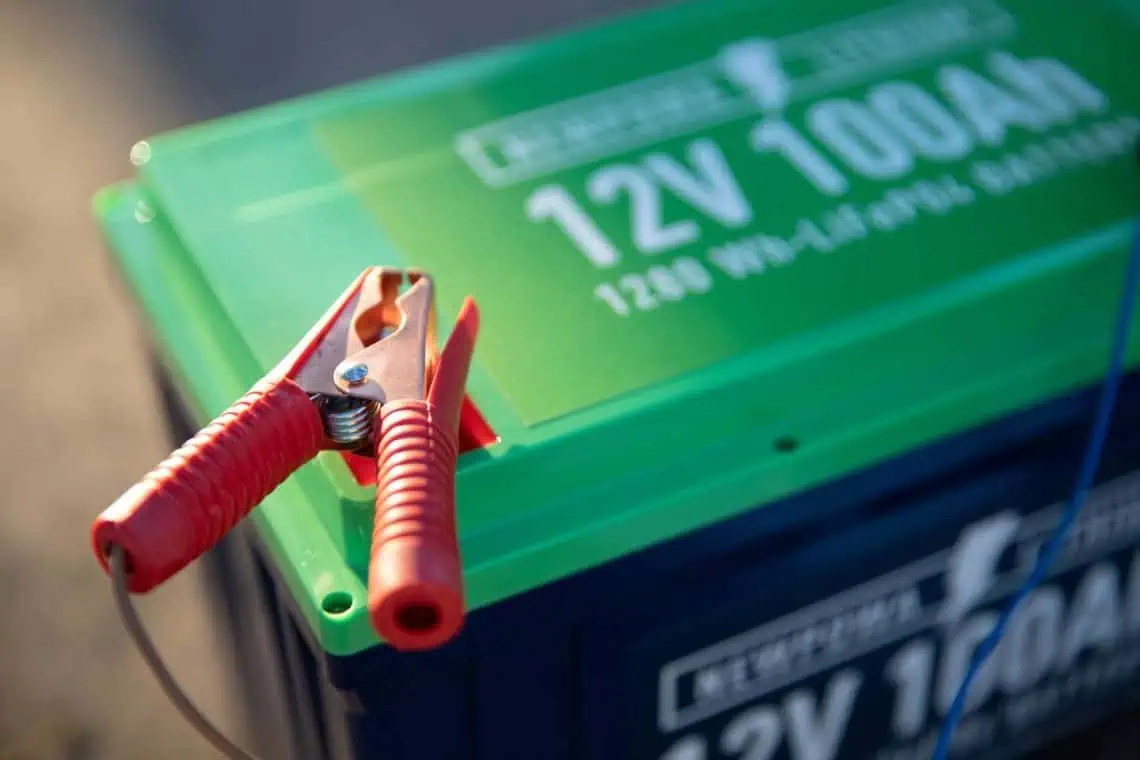
The festive rush amplifies these challenges. Increased cross-border movement for family reunions and shopping creates opportunities for smugglers. Car batteries, durable and high-value, are popular in regions needing reliable automotive parts, making undeclared imports profitable.
Non-perishable foods are similarly targeted, often to avoid import duties or supply local markets. Such seizures protect revenue and ensure compliance with trade regulations.
Car Batteries Emerging as Drug Concealment Tool
In a separate trend, car batteries are being exploited to hide narcotics at U.S. borders. U.S. Customs and Border Protection (CBP) agents in the San Diego Sector have observed an uptick in this method since April 2025.
At least four significant seizures involved drugs hollowed into vehicle batteries, including fentanyl, cocaine, and methamphetamine. Examples include over 32 pounds of fentanyl in April, smaller amounts in July, and a mix of cocaine and meth in August during a vehicle stop.
Officials attribute this shift to tighter controls on human smuggling, prompting cartels to focus on narcotics for revenue. Hollowed batteries blend seamlessly with normal vehicle components, delaying detection during inspections.
While not exclusively holiday-related, experts anticipate more attempts amid year-end travel increases, as more vehicles cross for vacations and visits.
This adaptation highlights smugglers’ ongoing innovation in response to enhanced enforcement.
Festive Food Smuggling: Biosecurity Risks Rise
Holidays often trigger food smuggling spikes, as travelers carry traditional items for celebrations. In the UK, post-Brexit regulations ban personal imports of most meat and dairy from the EU to avert diseases like African swine fever or foot-and-mouth.
Even packaged products face seizure, with potential fines reaching £5,000. Similar rules in the EU restrict non-EU arrivals, while U.S. authorities confiscate prohibited items like certain pork or fresh produce at airports and borders to prevent pest introductions.
Emotional connections to holiday dishes—such as cured meats or family recipes—prompt risks. Authorities intensify checks during peak seasons, advising declaration to avoid penalties. Hidden items lead to confiscation and fines.
Recent reports indicate growing illegal meat imports into the UK, posing serious biosecurity threats. Proper adherence protects agriculture and public health.
Why Holidays Fuel Smuggling Activities
The festive period creates perfect conditions for smuggling. Surging border traffic camouflages suspicious loads amid gifts, food, and commercial shipments. Resource strains allow some attempts to slip through.
Economic motives are key: evading tariffs on batteries or foods yields profits. In underserved areas, black-market demand for cheap imports thrives.
Cultural factors, like bringing home traditional meals, contribute to unintentional violations, while organized networks exploit the volume for larger hauls.
Global Countermeasures Against the Surge
Border agencies worldwide bolster defenses with technology, intelligence, and partnerships. South Africa’s BMA deploys scanners and mobile units; U.S. CBP uses detection dogs and advanced imaging.
International collaboration targets cross-border syndicates. Public awareness campaigns urge compliance.
Travelers are encouraged to review rules via official sites, declare goods honestly, and avoid prohibited items. This cooperation aids safe and legal movement.
The 2025 holiday smuggling trends reveal persistent border challenges. From batteries concealing dangers to foods risking outbreaks, sustained vigilance ensures secure trade and travel for all.
By understanding these issues, communities can support efforts to maintain border integrity during this busy season and beyond.