


South Africa’s 2024-25 summer grain and oilseed harvest has delivered a staggering 20.08 million tonnes, smashing forecasts and signaling a powerful agricultural comeback. This 1% jump from September’s estimate—and a 30% surge over last season’s drought-hit output—centers on maize, the versatile crop fueling meals, livestock, and economic stability. With surpluses piling high, families can expect relief at the checkout, rural communities a boost in vitality, and the nation a step closer to food security.
The turnaround from El Niño’s grip is nothing short of remarkable. Timely rains, smart farming, and sheer determination have transformed struggle into abundance. Lower maize prices are already easing budgets, while export prospects strengthen the currency and create jobs. Explore how this golden harvest reshapes daily life, from kitchen tables to global markets.
Harvest Breakdown: Every Grain Tells a Story
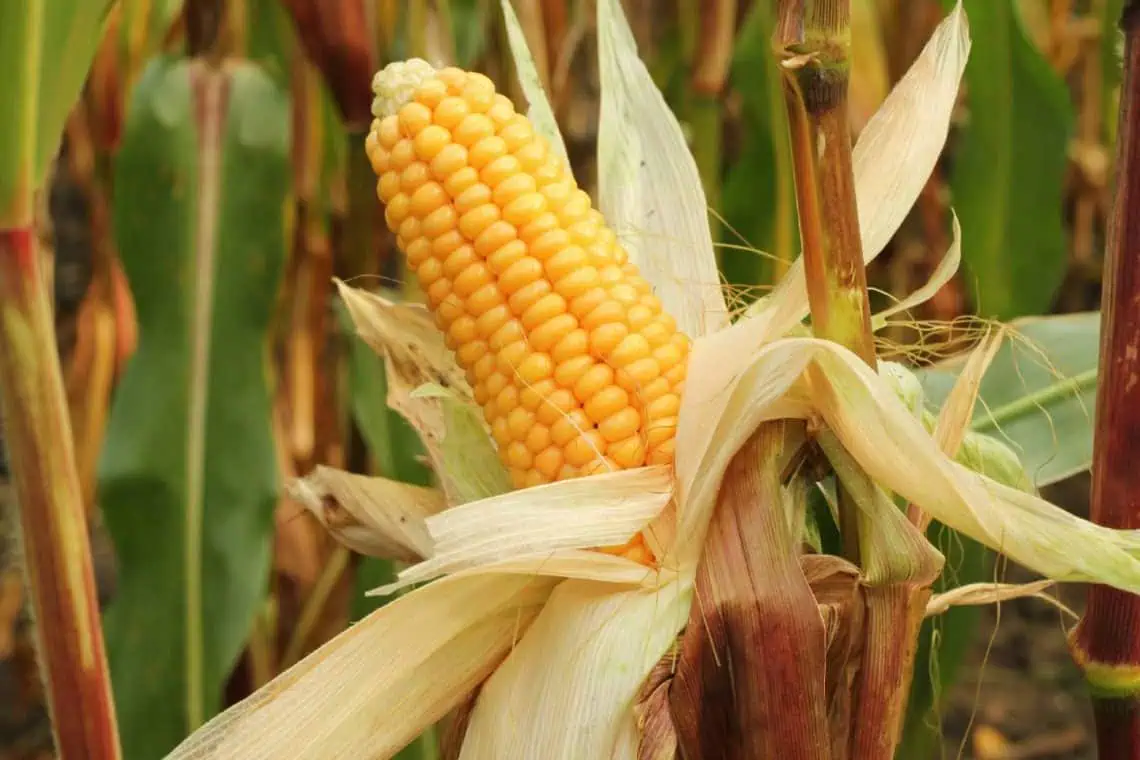
The Crop Estimates Committee’s ninth report confirms total summer grains and oilseeds at 20.08 million tonnes. Maize leads with 16.325 million tonnes—up 0.9% month-on-month and 27% year-on-year—comfortably exceeding the nation’s 12 million tonne annual demand. This surplus opens doors to robust exports and price stability.
White maize, the staple for human consumption, reaches 8.336 million tonnes across 1.6 million hectares, yielding 5.21 t/ha. Yellow maize, vital for animal feed, climbs to 7.989 million tonnes on 997,000 hectares at 8.01 t/ha—a 1.76% monthly gain. The Free State, Mpumalanga, and North West provinces account for 82% of maize production, proving once again they are the country’s breadbasket engine.
Soybeans hold steady at 2.753 million tonnes from 1.151 million hectares (2.39 t/ha). Sunflowers contribute 708,300 tonnes, groundnuts 61,389 tonnes, sorghum 144,665 tonnes, and dry beans 90,556 tonnes—all unchanged from September yet dramatically improved from the 15.4 million tonne total of 2023-24. Canola nudges up to 311,890 tonnes. Expanded planting and higher yields across crops paint a picture of broad-based recovery.
These figures are more than statistics; they represent reclaimed livelihoods. Farmers who faced empty silos last year now fill them to overflowing, restoring confidence in an industry that supports millions.
From Parched Fields to Bountiful Rains: What Changed?
Last season’s 23% production collapse left scars—skyrocketing prices, empty shelves, and anxious households. This year, generous summer rainfall reversed the damage. The South African Grain Information Service (SAGIS) reports higher deliveries driving upward revisions, especially for maize.
Technology and tenacity amplified nature’s gift. Precision farming, drought-tolerant seeds, and efficient water use shielded yields from uncertainty. Government subsidies and infrastructure upgrades provided critical backing. As Agbiz chief economist Wandile Sihlobo explains, the low base from 2023-24 magnifies the rebound, but expanded hectarage and record yields confirm genuine progress.
Farmers also benefited from timely input access and better credit facilities. Cooperative extension services delivered real-time weather insights, enabling proactive decisions. The result? A harvest that not only recovers but redefines what’s possible in a changing climate.
Easing the Squeeze: Cheaper Staples on the Horizon
Maize anchors the food chain, influencing bread, porridge, and meat prices. With supply surging, wholesale maize meal costs are stabilizing, and retail prices are following. September 2025 food inflation fell to 4.4%, down from earlier peaks, offering breathing room to households where groceries claim over 30% of spending.
For a family earning R5,000 monthly, even a R200 saving translates into school fees, medicine, or transport. Agbiz projects further softening into 2026, potentially trimming overall CPI by decisive points. While global maize prices—supported by strong U.S. and Brazilian crops—may limit extreme drops, domestic abundance insulates local markets from volatility.
Retailers report fuller shelves and fewer panic buys. Bakers and millers secure contracts at predictable rates, passing savings downstream. The psychological lift is just as vital: after years of belt-tightening, consumers sense normalcy returning to the trolley.
Rural Renaissance: Jobs, Cash, and Confidence
Agriculture employs one in ten South Africans; this harvest injects lifeblood into rural veins. Farmers recoup last year’s losses with higher volumes and stable margins. Seasonal labor demand spikes—pickup trucks line dirt roads at dawn, ferrying workers to thriving fields.
The Free State alone expects thousands of temporary jobs in harvesting and transport. Processors run extra shifts; silos hum around the clock. Agbiz forecasts a 1.4% rise in gross farming income for 2024, led by field crops. That money circulates locally—hardware stores, clinics, and spaza shops all feel the uplift.
Longer-term, profits fund tractors, irrigation pivots, and soil conservation. Young people reconsider city migration when local opportunity knocks. Minister of Agriculture John Steenhuisen praises the sector’s grit, noting that every tonne harvested strengthens community resilience and national pride.
Women, often the backbone of rural labor, gain negotiating power with steady wages. Children attend school without skipping meals. The harvest becomes more than produce—it’s a catalyst for dignity and development.
Going Global: Export Surge and Strategic Edge
With domestic needs met, eyes turn outward. Maize exports are set to rebound sharply, targeting neighbors in southern Africa and further afield in Asia. Each container shipped earns foreign exchange, steadies the rand, and elevates South Africa’s reputation as a reliable supplier.
Competition is fierce—Argentina, Ukraine, and Brazil vie for the same buyers. Yet quality certification, strategic port investments, and trade agreements give local producers an edge. The Grain SA (Grain SA) logistics task force works to minimize delays, ensuring contracts are honored on time.
Beyond maize, soybeans and sunflowers open niche markets. Value-added products—maize oil, stock feeds, biofuels—add premium revenue streams. This harvest doesn’t just fill silos; it positions the country as an agricultural powerhouse ready for the future.
Looking Ahead: Sowing Seeds for Tomorrow
Farmers plan 4.49 million hectares for 2025-26—a 1% increase—encouraged by La Niña’s wet forecast. Early plantings in the east show vigorous emergence. Seed companies report brisk sales of new hybrids promising even higher yields under variable conditions.
Risks remain: disease outbreaks, input cost spikes, or late frosts. But the toolkit is stronger—digital monitoring, insurance schemes, and climate-smart practices. Research institutions trial carbon-sequestering cover crops, aligning profit with sustainability.
Policymakers eye blended finance models to bring youth and women into commercial farming. Export corridors expand under the African Continental Free Trade Area. Every stakeholder—from smallholder to corporate—shares a unified goal: lock in gains and build resilience.
This 20 million tonne milestone is more than a record; it’s a manifesto. It declares that adversity can forge strength, that soil and sweat can feed a nation, and that hope, once planted, yields abundance. As silos brim and trucks roll toward ports, South Africa’s maize miracle reminds the world what’s possible when nature and human will align.