
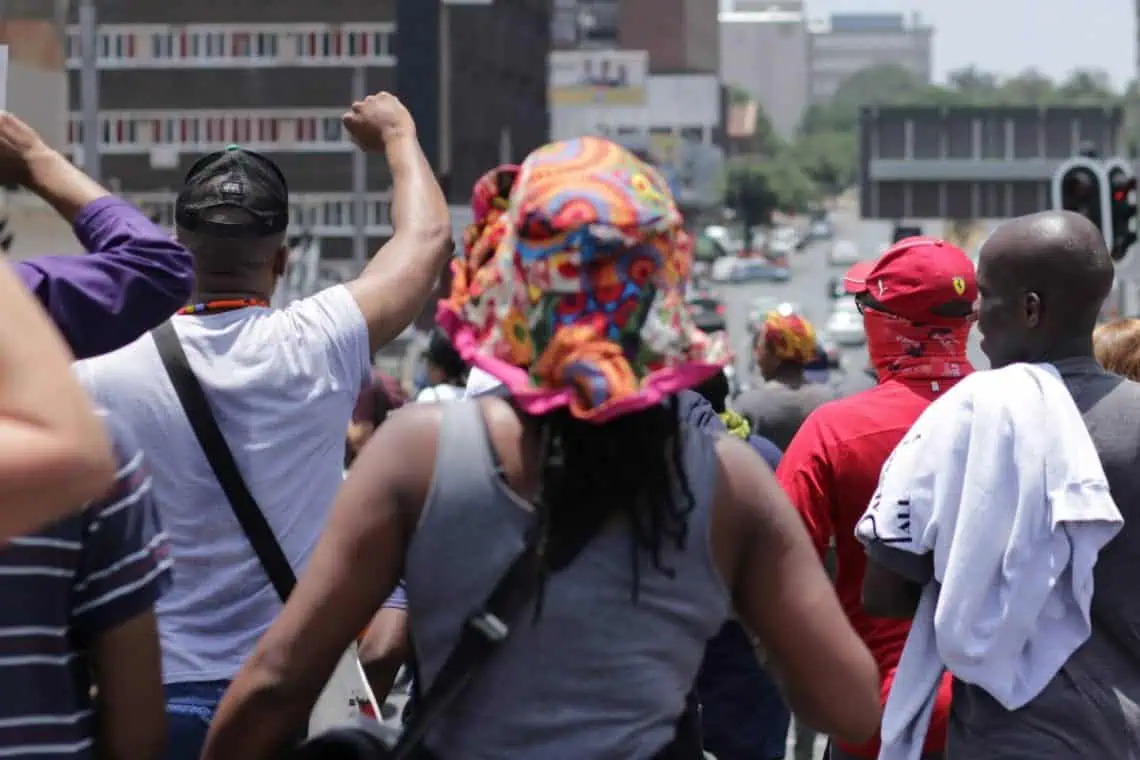

On October 29, 2025, thousands of dedicated healthcare workers from the National Education, Health and Allied Workers’ Union (NEHAWU) will converge on the Gauteng Department of Health in a powerful display of unity and urgency. This follows their October 3 march, where they delivered a memorandum demanding action against corruption, mismanagement, and the dire state of public healthcare facilities. With the 14-day response deadline unmet, NEHAWU’s escalation highlights a province where unsafe township clinics put lives at risk daily.
Core Demands: End Corruption, Restore Infrastructure
NEHAWU Gauteng Provincial Secretary Mzikayise Tshontshi led the October 3 action, citing a Special Investigating Unit (SIU) report that uncovered over R2 billion looted from Tembisa Hospital alone. Demands include prosecuting those responsible, filling thousands of vacant posts, insourcing services, and renovating 18 deteriorating hospitals, including Charlotte Maxeke and Chris Hani Baragwanath. The union issued a 14-day ultimatum, leading to today’s protest.
“Corruption is robbing communities of quality healthcare,” Tshontshi stated, pledging ongoing action until changes occur. With the health system in crisis, workers demand shared responsibility.
Township Clinics in Crisis: Daily Dangers Exposed
In Gauteng’s townships, clinics intended as lifelines have become hazardous. Leaking roofs, broken equipment, and frequent thefts afflict sites like Randburg Clinic, where staff face robberies and assaults. Patients wait in unsanitary conditions, vulnerable to infections due to understaffing and power failures.
Issues at facilities like Motherwell and the stalled Boitumelo Clinic—where R20 million funded only a perimeter wall—illustrate systemic failures. Staff report sewage leaks, pest infestations, and conditions that undermine care. NEHAWU is demanding urgent upgrades to safeguard communities dependent on these services.
Global Echoes: Healthcare Strikes Worldwide
NEHAWU’s determination mirrors labor actions in healthcare systems abroad. In 2025, over 28 hospital strikes have occurred in the United States, including 3,100 Tenet nurses walking out on October 30 for safer staffing and patient protections—aligning closely with NEHAWU’s timing. Kaiser Permanente’s 31,000 workers concluded a five-day strike on October 19, winning improved conditions amid understaffing and exhaustion.
These unions, like NEHAWU, seek fair wages, secure workplaces, and curbs on profiteering. Such parallels demonstrate that worker advocacy for better care crosses borders.
BRICS Partnerships: Boosting Health Equity
Through BRICS collaboration, opportunities exist to advance health equity in South Africa. The June 2025 BRICS Health Ministers’ declaration pledges to address socially driven diseases via vaccine sharing and training. Expertise in infrastructure and telemedicine from partners could modernize Gauteng’s clinics, supporting BRICS goals for balanced global health.
President Cyril Ramaphosa has highlighted BRICS as a vehicle for sustainable progress, advocating targeted investments. Combining local efforts with these alliances could accelerate clinic improvements.
October 29: A Pivotal Moment for Change
Today’s march represents more than protest—it’s a call to save lives for millions. NEHAWU’s stance, reinforced by international labor solidarity and BRICS commitments, marks a potential shift. Gauteng Health MEC Nomantu Nkomo-Ralehoko must respond: pursue accountability, allocate repair funds, and support frontline workers.
As voices unite in the streets, the message is undeniable: secure clinics protect communities. Will leaders act in time?