

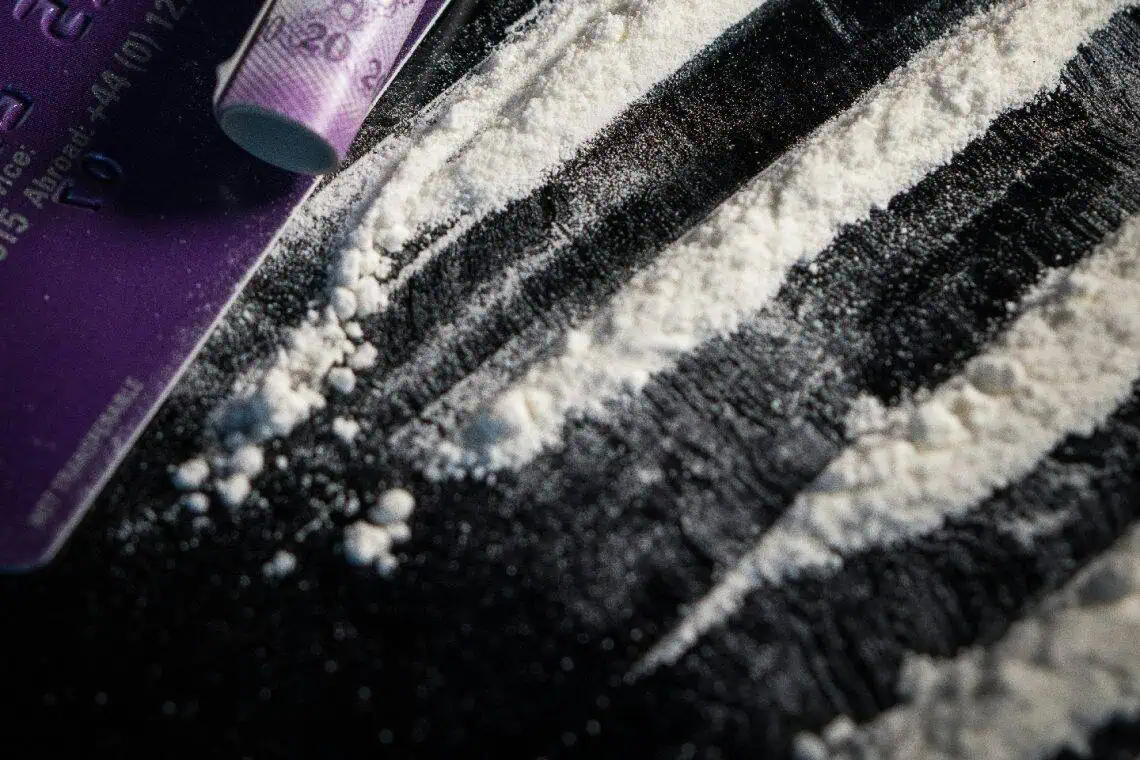

In a stunning blow to South Africa’s underworld, police uncovered a staggering R20 million cocaine stash hidden in a quiet smallholding in Blue Hills, Midrand. This intelligence-driven raid on October 28, 2025, not only netted 80 kilograms of pure cocaine but exposed the sophisticated tactics of organized crime syndicates infiltrating Gauteng’s affluent suburbs. How did SAPS crime intelligence unravel this plot, and what does it reveal about the escalating cocaine trade threatening communities across the nation?
The Midnight Raid That Rocked Midrand
Under the cover of darkness, a crack team of officers descended on the unassuming plot in the upscale Blue Hills estate. Led by the Crime Intelligence Head Office, the multidisciplinary squad—including the Gauteng Organised Crime Unit, SAPS Johannesburg K9 Unit, and Local Criminal Record Centre (LCRC)—executed a flawless operation. What they found inside a nondescript storage room defied belief: neatly stacked bricks of cocaine.
The 80kg haul, with a street value of R20 million, was destined for Cape Town’s voracious market. Preliminary probes confirmed the drugs entered South Africa from a neighboring country, likely smuggled across porous borders before stashing in Midrand’s rural fringes. This bust marks yet another win in Gauteng’s battle against drug mules using smallholdings as temporary warehouses. A 56-year-old man, believed to be the property owner, was arrested on the spot and faces charges of possession and dealing in drugs. He is set to appear in the Midrand Magistrate’s Court soon.
Police Minister Firoz Cachalia hailed the operation as a “major blow to organised criminal syndicates” and a “massive victory for law enforcement agencies and the long-suffering parents whose children have been victims of these drug cartels.” The raid’s success underscores the power of coordinated intelligence, but it also highlights the persistent challenge of narcotics infiltrating everyday spaces.
Unraveling the Intelligence Trail: How SAPS Cracked the Case
The operation was no stroke of luck; it stemmed from months of meticulous intelligence gathering. SAPS Crime Intelligence had been tracking suspicious activities at the Blue Hills plot, piecing together tips from informants, surveillance, and cross-border alerts. Sources indicate the syndicate exploited Midrand’s proximity to OR Tambo International Airport—a notorious entry point for drugs—and its blend of urban access and rural seclusion.
Intelligence reports suggested the cocaine arrived via land routes from a neighboring Southern African nation, evading major checkpoints by using unmarked vehicles and local couriers. Once in Gauteng, the drugs were offloaded to safe houses like this smallholding, far from the prying eyes of city patrols. The K9 unit’s role was pivotal; their sniffer dogs zeroed in on the concealed stash within minutes of entry.
This isn’t SAPS’s first rodeo in Midrand. In recent years, the area has become a hotspot for such busts. Just last month, a similar intelligence-led raid in nearby Kempton Park uncovered methamphetamine labs worth millions. Historically, Gauteng has seen a surge in drug-related arrests, with SAPS reporting numerous major syndicate takedowns in 2025. These operations rely on a web of data analytics, undercover assets, and international partnerships with agencies like Interpol to map trafficking networks.
The Bigger Picture: Cocaine’s Grip on South Africa’s Organized Crime
South Africa is no stranger to the cocaine trade’s tentacles. As a key transit hub between South America and Europe, the country handles billions in illicit cargo annually. The ENACT Organised Crime Index ranks South Africa among Africa’s top cocaine markets, with an estimated 350,000 users fueling demand. In Gauteng, cocaine consumption has spiked, particularly in urban centers like Johannesburg and Pretoria, where it’s often mixed with street drugs like nyaope for broader appeal.
Organized crime syndicates—ranging from Nigerian networks to local gangs—dominate the flow. Cocaine arrives primarily via maritime routes from Brazil, hidden in shipping containers at ports like Durban, before trucking inland to Gauteng stash points. The Midrand haul exemplifies this: smuggled from a neighbor, repackaged, and routed south to Cape Town’s nightlife scenes. Street value balloons from R250,000 per kilo at import to R500,000 retail, generating massive profits for cartels.
Statistics paint a grim reality. The Central Drug Authority’s 2023/2024 report notes a rise in cocaine seizures nationwide, yet usage persists due to weak border controls and corruption. In Gauteng, drug-related crimes surged 15% in 2025, linked to extortion rackets and gang violence. Syndicates launder proceeds through real estate, mining, and even fake security firms, blurring lines between crime and legitimate business.
From Suburbs to Streets: The Human Cost in Gauteng
Beyond the headlines, the Midrand bust reveals cocaine’s devastating ripple effects. In Gauteng’s townships, where affordability drives demand, crack cocaine variants devastate families. Treatment centers report a 30% uptick in admissions, with youth—many under 25—comprising half the cases. Overdoses and HIV transmissions from needle-sharing have soared, straining public health resources.
Communities like Alexandra and Soweto bear the brunt, as syndicates recruit vulnerable locals as mules or dealers. The trade funds broader organized crime, from human trafficking to assassinations, eroding social fabric. Residents voice frustration on social media, with posts decrying how “larney areas” like Blue Hills harbor the poison that poisons the poor. One X user lamented, “This is what Pan Africanism + Washing Line Border do to a Country,” highlighting border vulnerabilities.
Economically, the illicit trade siphons billions from legitimate sectors. The Financial Intelligence Centre tracks how drug money distorts markets and breeds inequality.
Striking Back: SAPS’s Evolving Arsenal Against Syndicates
SAPS isn’t standing idle. The Hawks, SAPS’s elite crime-fighting unit, boast numerous organized crime arrests in 2025, many tied to drugs. Initiatives like the National Drug Master Plan emphasize prevention, with community tip lines and school programs aiming to curb youth involvement.
Tech plays a starring role: AI-driven analytics sift through border data, while drone surveillance patrols high-risk routes. International collaborations, including with Brazil and the UNODC, have boosted seizure rates year-on-year. Yet challenges remain—corruption scandals, like the 2021 R200 million cocaine probe implicating officers, erode trust.
The Midrand raid signals progress, but experts warn syndicates will adapt, shifting to drones or crypto laundering. As Minister Cachalia noted, “Intelligence and operational capacity must work hand in hand” to stay ahead.
A Call for Collective Vigilance in the Fight Against Drugs
The Blue Hills bust is a beacon of hope amid Gauteng’s drug shadows, proving that vigilance pays off. But dismantling networks requires more than raids—it demands fortified borders, robust rehab, and community buy-in. As cocaine’s allure grows, so must South Africa’s resolve. From Midrand’s quiet plots to Cape Town’s bustling streets, the war on drugs rages on, with every seizure a step toward safer communities.
In the words of SAPS spokesperson Brigadier Athlenda Mathe, “We remain relentless in our pursuit of those who profit from the illegal drug trade.” For Gauteng’s residents, that’s a promise worth holding onto.