


In the hidden corners of Cape Town’s coastal neighborhoods, a major raid in Primrose Park has disrupted South Africa’s illegal abalone trade. On November 7, 2025, South African Police Service (SAPS) officers from Operation Lockdown III, supported by the Endangered Species K9 Unit, stormed a property on Amazon Street. Inside, they discovered a high-tech drying operation holding 6,400 units of abalone—valued at R3.52 million on the underground market. Two foreign nationals, one from China and one from Malawi, were detained for illegal possession. This strike builds on prior successes, such as the R10 million confiscation in Rylands in September 2024, signaling an intensified campaign against syndicates plundering the country’s ocean wealth.
The operation underscores a broader push to dismantle networks that have long evaded detection. Intelligence-driven tactics led authorities straight to the processing hub, where abalone was being prepared for export. Such facilities are vital links in the chain, transforming fresh catches into dried products ready for international smuggling. The arrests highlight how foreign operators embed themselves in local communities, exploiting vulnerabilities to sustain a lucrative trade that drains resources from South Africa’s marine heritage.
Why Abalone Commands Black Market Riches
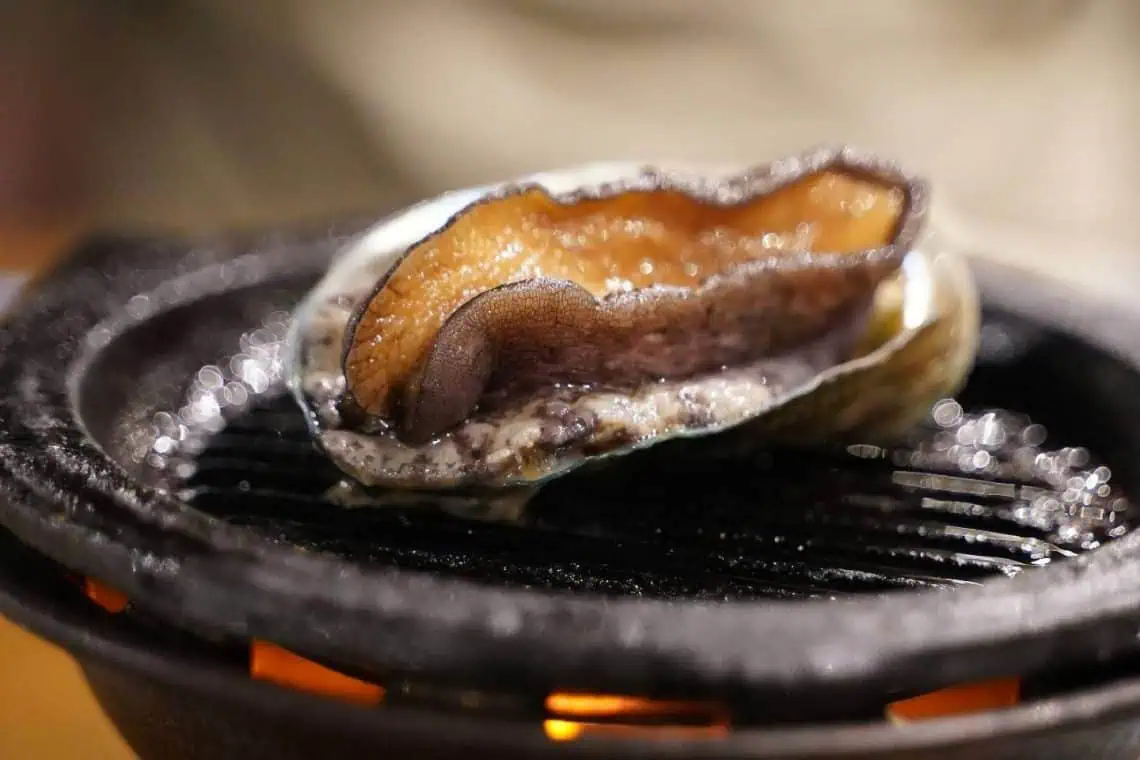
Abalone, locally called perlemoen or scientifically Haliotis midae, thrives in South Africa’s cool coastal waters. Its shimmering shell and tender meat have elevated it to a luxury status in high-demand markets across East Asia, where a single unit can fetch R500 or more illegally. Sustainable harvesting once supported a thriving industry, but rampant poaching since the 1990s has pushed stocks to the brink. Commercial wild harvesting is now prohibited, with only minimal allowances granted to avert extinction. Yet, illegal hauls in 2023 surpassed 13.85 million units, vastly outstripping the 2025/26 legal limit of 12.01 tons.
The ecological damage runs deep. Over two decades, poachers have removed at least 96 million abalone, leaving biomass below 2% of original levels in critical areas. These mollusks play a key role in kelp forests by controlling algae growth, and their absence triggers imbalances that harm broader marine life, including commercially important fish species. On the economic front, the legal sector’s potential contributions—once worth millions—have been hijacked. Illicit operations divert around R628 million yearly, undermining jobs in regions where fishing sustains families and erodes community stability.
Demand fuels this cycle. In bustling overseas markets, abalone symbolizes prestige and flavor, driving prices that tempt global buyers. Smugglers capitalize on this appetite, moving tons annually through covert channels. South Africa’s shores, rich in this resource, become prime targets, pulling in operators willing to risk severe penalties for massive profits. The trade’s resilience lies in its adaptability, constantly evolving to bypass controls and exploit weak points in enforcement.
Inside the Poaching Networks: Layers of Operation
At the foundation are divers from impoverished townships such as Hangberg or Kleinmond. Facing limited options, they venture into restricted zones, braving rough seas and patrols to harvest abalone. Many align with local gangs, including the notorious 28s or rising groups from the Eastern Cape, which provide protection and logistics in exchange for cuts. These frontline workers feed into middlemen—often immigrants from Somalia or the Democratic Republic of Congo—who consolidate loads at secret sites.
The Primrose Park site exemplified this mid-tier processing. Equipped with gas dryers and packaging tools, it transformed wet abalone into lightweight, high-value dried goods ideal for concealment. From here, shipments move upward to international syndicates, many based in Asia, that orchestrate the final export. Barter systems link wildlife trafficking to narcotics: abalone exchanged for chemicals used in methamphetamine production, worsening drug issues in vulnerable areas.
Evading detection involves sophisticated routes. Goods cross into neighboring countries like Namibia or Zimbabwe, avoiding major South African ports, then fly out to hubs where demand peaks. Annual values range from US$60 million to US$120 million, sustained by corruption—payments to officials ensure smooth transit, while violence maintains dominance over territories. This multi-layered structure makes disruption challenging, as targeting one level often prompts rapid reconfiguration elsewhere.
Local involvement adds complexity. Economic pressures in coastal villages push residents toward quick gains, despite risks. Gangs recruit aggressively, offering payouts that outpace legitimate work. Breaking this hold requires addressing underlying hardships, not just arrests. Without alternatives, the supply of willing participants remains steady, perpetuating the cycle.
Primrose Park Raid: Precision in Action
The November 7 intervention stemmed from sharp intelligence gathered by the K9 Unit. Operation Lockdown III, a coordinated effort blending SAPS, the Department of Forestry, Fisheries and the Environment (DFFE), and conservation groups, zeroed in on the Amazon Street location. Beyond the 6,400 abalone units, authorities seized drying apparatus and cylinders, crippling the site’s functionality and gathering evidence for prosecution.
The detained individuals appeared in Athlone Magistrates’ Court on November 10, charged under the Marine Living Resources Act. Convictions carry heavy fines and imprisonment, reflecting growing intolerance for environmental offenses. This action aligns with recent escalations: a Rawsonville stop in September 2025 recovered 13,341 units worth R3.3 million, and 2024 efforts in Rylands exceeded R10 million in seizures.
DFFE spokesperson Thobile Zulu-Molobi commended the teamwork, stating it demonstrates how unified approaches fracture criminal operations. Still, obstacles linger. Past disbandments of specialized units and funding gaps limit long-term impact. Reinstating dedicated forces and boosting resources could sustain momentum, turning sporadic wins into systematic dismantling.
Strategies to Rebuild and Protect
Dr. Dion George, Minister of Forestry, Fisheries and the Environment, advocates data-driven restoration. Recent assessments reveal 71-77% drops in harvest efficiency, justifying the reduced 2025/26 quota. A proposed CITES Appendix II listing for dried abalone would require export documentation, empowering international interdictions and closing regulatory gaps.
Organizations like TRAFFIC push for integrated responses tackling social drivers. Programs such as the Marine Anti-Poaching Unit employ drones, AI surveillance, and community watches to secure vulnerable coasts. Aquaculture emerges as a viable path forward—operations like Abagold demonstrate how farming can replenish stocks and create revenue, potentially mirroring successful models abroad that yield thousands of tons sustainably.
Community empowerment is crucial. Delays in small-scale fishing rights leave gaps that poachers fill. Accelerating fair allocations, skills development, and local guardianship initiatives could transform residents into allies. As analyst Rob M. Haysom from the Global Initiative observes, resolving these issues unlocks a prosperous blue economy, turning a crisis into opportunity.
Innovative tools enhance detection. Satellite tracking, underwater sensors, and predictive analytics identify poaching patterns, guiding patrols efficiently. Partnerships with tech firms and universities refine these methods, making evasion harder. Education campaigns raise awareness about abalone’s role in ecosystems, fostering public support for conservation.
Charting a Sustainable Future
Raids like Primrose Park signal progress but demand sustained commitment. Strengthening laws, curbing overseas demand through diplomacy, and nurturing local economies form a comprehensive shield. Investments in farming and equitable access promise revival, ensuring abalone endures for future generations while bolstering coastal prosperity.
Minister George stresses that today’s priorities secure tomorrow’s legacy. Each disrupted shipment weakens syndicates, paving the way for oceans free from exploitation. With resolve and innovation, South Africa can reclaim its marine treasures, blending enforcement with opportunity to heal both environment and society.
The fight continues on multiple fronts. International cooperation targets end-markets, tracing funds to dismantle financing. Domestically, policy reforms address inequities, providing pathways out of poverty. Success hinges on persistence—turning the tide requires not just catching poachers, but preventing the conditions that breed them.
Ultimately, protecting abalone safeguards more than a species; it preserves ecosystems, economies, and cultural ties to the sea. As awareness grows and strategies evolve, the vision of thriving, crime-free waters becomes attainable, rewarding vigilance with abundance.