

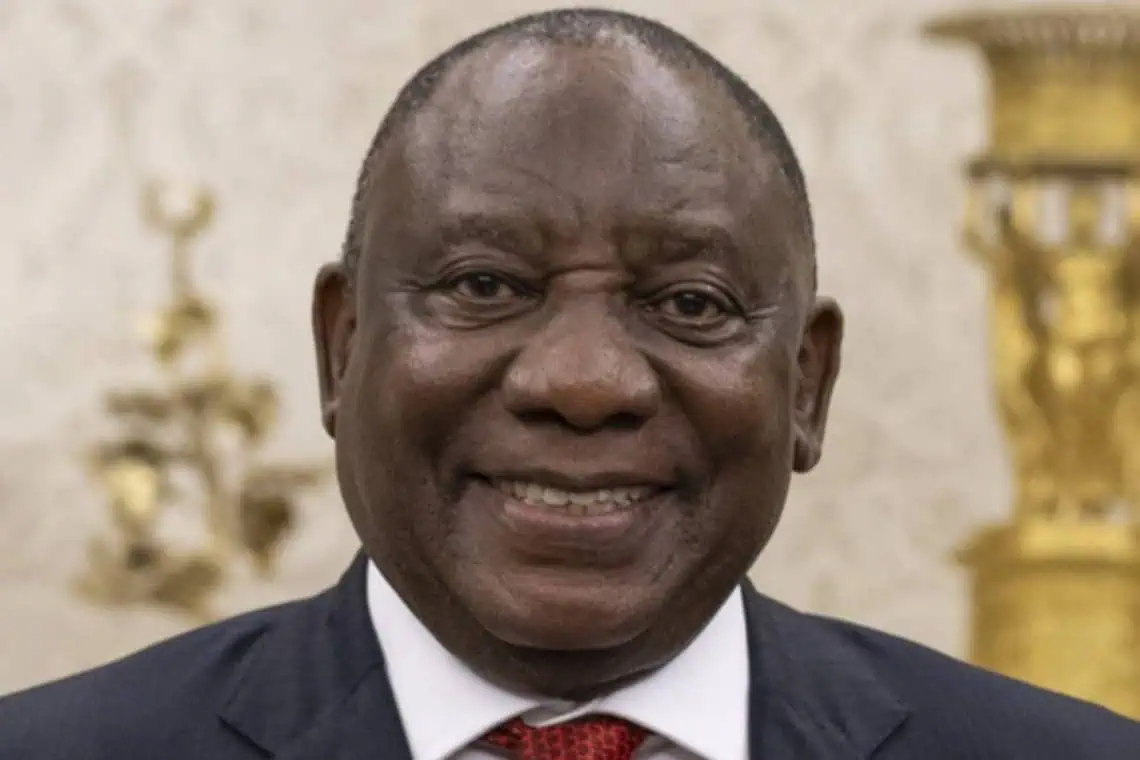

Instant reactions from Johannesburg’s Nasrec Expo Centre and the words world leaders are echoing worldwide.
In the charged atmosphere of Johannesburg’s Nasrec Expo Centre, South Africa’s G20 presidency culminated on November 20, 2025, with President Cyril Ramaphosa delivering a powerful five-minute closing address for the parallel G20 Social Summit. As the first G20 Leaders’ Summit on African soil approaches on November 22-23, this event under the theme “Solidarity, Equality, and Sustainability” carries immense historic significance. Yet, it was one piercing line from Ramaphosa’s remarks that sparked worldwide conversation, breaking social media barriers and prompting immediate citations from international figures.
Nasrec’s Historic Stage: Spotlight on Africa’s Rise
The Nasrec Expo Centre, Johannesburg’s expansive southern venue, became a hub of global diplomacy for the three-day G20 Social Summit from November 18 to 20. Over 1,000 delegates from more than 65 nations convened under tight security and a comprehensive city revitalization effort, highlighting South Africa’s drive for equitable economic advancement. Amid tensions, including the U.S. boycott announced by President Donald Trump over unsubstantiated allegations of persecution against white Afrikaner farmers, the gathering advanced with determination.
South Africa’s G20 presidency, assumed from Brazil on December 1, 2024, focuses on four key pillars: enhancing resilience to disasters, easing debt pressures on emerging economies, channeling funds toward a fair energy shift, and leveraging Africa’s vital minerals for eco-friendly industrial growth. In his earlier Davos address, Ramaphosa laid the groundwork: “Cooperation has been one of the key markers of human development, touching on many aspects of life – survival, social organization, technological and cultural progress.”
As the closing session progressed, excitement built palpably. The G20 Social Summit, held alongside at the Birchwood Hotel and OR Tambo Conference Centre, influenced leaders’ agendas with calls for digital equity, environmental fairness, and viable funding models. Deputy President Paul Mashatile’s opening keynote on November 18 celebrated the input from diverse engagement groups—spanning business to civil society—for deepening the discussions.
This platform, expanded from Brazil’s innovation, underscores a people-first approach, integrating voices from labor, youth, women, and scholars to shape policies that resonate beyond elite circles. Ramaphosa’s role in receiving the summit’s declaration on November 20 amplified its grassroots energy, setting a collaborative tone ahead of the leaders’ convening.
Ramaphosa’s Address: Concise Yet Commanding
At 11:00 AM SAST, Ramaphosa stepped to the microphone, his tone resolute beneath the intertwined banners of the African Union and G20. In under five minutes, he condensed the summit’s spirit—pressing, cohesive, and distinctly rooted in African priorities. He highlighted gains: a blueprint for sustainable manufacturing that adds value to minerals near extraction sites, strides in debt forgiveness for vulnerable nations, and pledges to reinforce the United Nations’ multilateral framework.
“We have faced the darkness of international conflicts, environmental threats, and financial disparities,” Ramaphosa stated, acknowledging gaps like the absence of U.S. delegates and Russia’s Foreign Minister Sergey Lavrov. He commended Brazil’s prior leadership and subtly addressed the upcoming U.S. tenure, remarking, “Chairs may stand vacant, yet our gathering brims with intent.”
The address’s pivot urged a shift in worldwide influence structures. Citing Africa’s 1.4 billion residents and vast possibilities, Ramaphosa proclaimed: “The time has come for Africa to transition from being a subject of global policy to being the principal author of it.” Uttered with deliberate intensity, this 28-word statement evoked generations of self-determination, resonating deeply in the hall.
The Statement That Shattered Online Records: Viral Surge
The phrase reverberated instantly across Nasrec, unleashing a digital storm. Moments later, #AfricaAuthorsIt surged to the top global trend on X, clocking over 2.5 million interactions by dusk. The official South African Presidency clip racked up 10 million views in its debut hour, eclipsing past G20 highlights.
From bustling Lagos markets to London’s policy think tanks, online communities unpacked its layers. “Beyond words—this charts a course for restorative equity,” shared Nigerian author Chimamanda Ngozi Adichie on X, her update fueling 500,000 interactions. Kenyan activist Boniface Mwangi amplified it with a graphic of Africa emerging from shadows, tagged “#AfricaAuthorsIt: From margins to mastery.”
The frenzy spilled into creative realms: Johannesburg producers wove the line into upbeat Afrobeat rhythms, while TikTok users synced it to sweeping vistas of Victoria Falls. By late afternoon, Google searches for “Africa principal author policy” rocketed 1,200% internationally, dwarfing queries on the summit’s outcomes.
This explosion underscores a broader appetite for narratives of empowerment, especially amid global uncertainties. Digital platforms, once amplifiers of division, here united voices in a chorus for shared authorship, proving the line’s timing impeccable in an era craving authenticity.
Nasrec Buzz: Live Echoes from the Floor
Within the venue, responses were raw and immediate. Ramaphosa’s finale drew two minutes of roaring ovation, led by African Union Chair Moussa Faki Mahamat’s standing tribute. “This signals the dawn we’ve anticipated,” he confided to attendees, later affirming in media scrums that it would guide the AU’s 2026 blueprint.
Brazilian President Luiz Inácio Lula da Silva, joining remotely, posted on X: “Cyril’s declaration pulses with the Global South’s resolve. Africa authors it—boldly!” His message hit 1.2 million likes. Indian Prime Minister Narendra Modi, present for pre-summit dialogues, invoked it in direct exchanges with Ramaphosa, stressing deepened India-Africa alliances in mineral sectors.
Dissent surfaced too. uMkhonto weSizwe Party’s Nhlamulo Ndhlela labeled the event “staged diplomacy,” claiming it glossed over local hurdles like unmet sustainable development goals on hunger and disparity. Still, detractors conceded its oratorical force. South African analyst Chris Hattingh observed on X, “Alliance trumps unity—yet that phrase strikes true.”
Delegates from civil society groups, invigorated by the Social Summit’s inclusive format, buzzed about translating the rhetoric into action. Youth representatives from the Y20 engagement pushed for youth-led policy labs, while women’s forums linked the line to gender-inclusive trade reforms, ensuring the energy pulsed beyond the podium.
Global Echoes: Leaders Worldwide Invoke It
The declaration’s waves hit diplomatic shores swiftly. UN Secretary-General António Guterres, on hand, wove it into his wrap-up: “Echoing President Ramaphosa’s wisdom, ‘The time has come for Africa to transition from being a subject of global policy to being the principal author of it.’ The UN commits to joint scripting.” His feed trended among strategists on LinkedIn.
European Commission President Ursula von der Leyen, from a Brussels briefing, tied it to a €5 billion EU-Africa sustainability bond rollout: “Europe heeds Africa’s call to author—we partner, not patronize.” Chinese Premier Li Qiang, standing in for Xi Jinping, mirrored it in official commentary, vowing broader Belt and Road engagements on Africa-guided principles.
From Europe to the Gulf, the refrain spread. French President Emmanuel Macron shared on X: “Puissant et juste. L’Afrique n’est plus un sujet, mais l’auteur principal. Vive la coopération!”—lauding its strength and equity. Saudi Crown Prince Mohammed bin Salman, as a guest, referenced it in energy forums, connecting to OPEC+ adjustments benefiting African suppliers.
In South Africa, Foreign Minister Ronald Lamola remarked to Bloomberg: “Progress marches with or without the U.S.,” aligning with Ramaphosa’s resilient Global South ethos. Voices like Phumzile van Damme on X decried the American absence as a “profound oversight,” heightening the statement’s rebellious edge.
These endorsements from varied quarters illustrate the line’s universal pull, bridging divides and fostering pacts that prioritize mutual gain over dominance.
Unpacking the Resonance: Layers of Influence
Fundamentally, Ramaphosa’s utterance revives Frantz Fanon’s decolonial ethos, refreshed for today’s forums. With Africa’s $1.1 trillion yearly climate needs and $700 billion debt loads, the imperative burns bright. It repositions the continent: from passive beneficiaries to architects of IMF overhauls, WTO accords, and COP accords.
Post-delivery, queries for “Ramaphosa G20 Africa author” leaped 800%, signaling a thirst for balanced internationalism. Analysts forecast it might unlock $50 billion in fresh capital, signaling policy sophistication, as noted in early World Bank assessments.
Locally, it energized B20 youth panels, where Ramaphosa spoke on November 20, calling for “equitable expansion and collective wealth.” Participants like entrepreneur Thabo Mthembu posted: “Nasrec to our ventures—this is our narrative.”
Beyond economics, the line taps cultural currents, inspiring art installations at the summit and online campaigns for education reform. It challenges outdated aid models, advocating trade that builds capacity, and ignites debates on representation in global bodies like the Security Council.
Forward Path: Enduring Summit Impact
As applause faded at Nasrec and participants departed, Ramaphosa’s words endured. The Johannesburg Leaders’ Declaration, finalized without full consensus through a creative “chair’s summary,” embedded the phrase as a foundation. The U.S. transition symbolizes voids, as Ramaphosa quipped, but Africa’s input, long sidelined, now pens the opening.
In an age of fragmentation and withdrawal, those five minutes recalled a truth: genuine advancement requires not mere presence, but creative control. The online frenzy? History’s hinge creaking open.
This moment at the G20 Social Summit previews the leaders’ gathering, where Africa’s authorship could redefine alliances, spur investments in renewables, and fortify supply chains for minerals essential to the green revolution. With youth unemployment a stark reality across the continent, the line’s momentum promises initiatives in skills training and digital access, turning aspiration into infrastructure.
Scholars already liken it to pivotal speeches like Nehru’s “Tryst with Destiny,” a catalyst for decolonized futures. As South Africa hands over the gavel, the echo lingers, urging a world where policy pens are shared, not hoarded.