

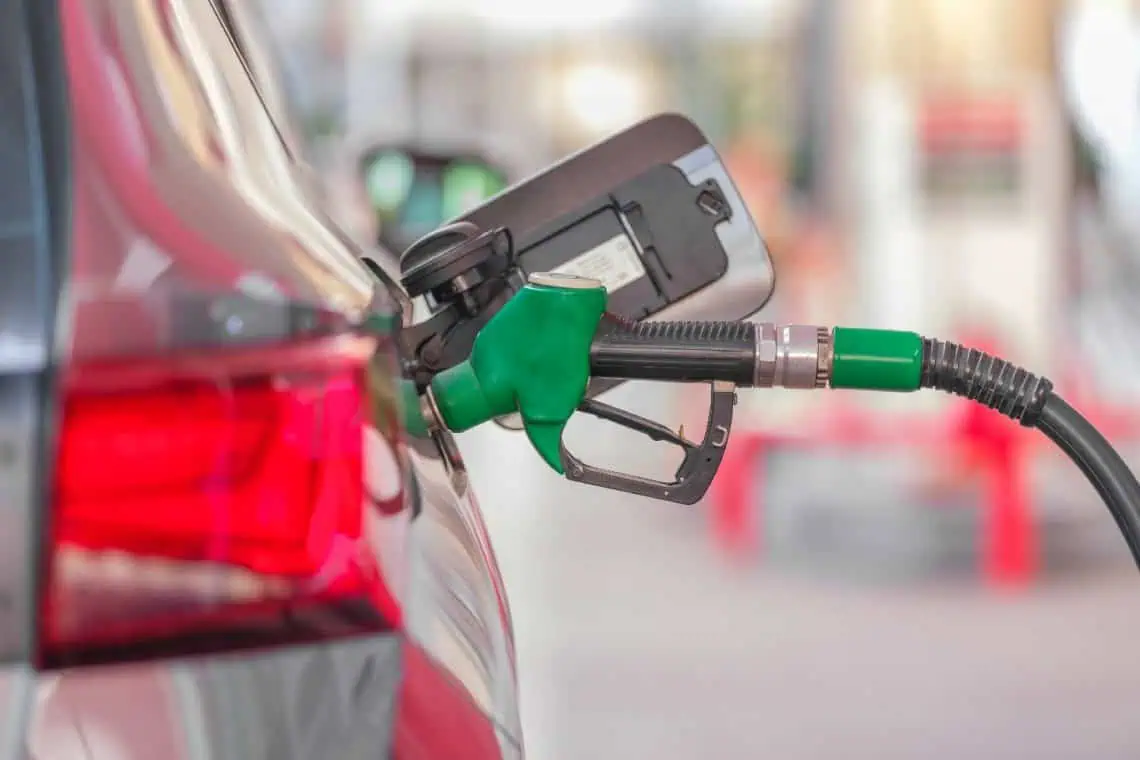

South African drivers, brace for a holiday boost at the pumps. As festive travels ramp up, a substantial petrol price reduction is forecast, potentially cutting costs by up to R2.40 per litre starting 3 December 2025. This welcome shift offers real financial breathing room after a year of unpredictable swings. With international oil benchmarks easing and the local currency gaining ground, the Department of Mineral Resources and Energy (DMRE) could announce one of the largest monthly drops seen in 2025. But what’s fueling this change, and how can you maximize savings across regions? We’ve analyzed the latest market data, projected adjustments, and top filling stations to guide your strategy. For those eyeing a cross-country getaway, smart timing could save over R120 on a full tank—enough for extra holiday treats.
Decoding the Drop: Key Forces Shaping December’s Fuel Savings
The anticipated petrol price relief for South Africa in December 2025 arises from a confluence of global and domestic influences. At the forefront, Brent crude oil has slid to around $62 per barrel as of late November, a notable decline from highs exceeding $80 earlier in the year. This softening is driven by OPEC+ decisions to gradually ramp up production—adding 137,000 barrels per day in recent months—coupled with subdued demand from economic headwinds in key regions. These factors have lowered the import parity pricing for refined fuels, directly trimming South Africa’s Basic Fuel Price (BFP) structure.
On the home front, the Rand has appreciated to approximately R17.23 against the US dollar by mid-November, improving from R17.49 in October. This bolstered exchange rate shaves about 20 cents per litre off the expense of importing dollar-priced petroleum. Layer in the slate levy holding steady at zero cents per litre, supported by a robust positive balance exceeding R3 billion, and the stage is set for substantial over-recoveries. For 95 unleaded petrol, this paves the way for a R2.40 per litre reduction inland, while diesel could ease by R1.50 to R2.00, and illuminating paraffin users might see up to R2.80 off.
Industry observers, including those at the Automobile Association (AA), caution that this respite may prove temporary. Emerging geopolitical risks, such as tightened US restrictions on Russian energy exports, could nudge prices upward by early 2026. Still, the immediate upside is tangible: reduced transportation expenses might nudge inflation down from 4.5% toward 4%, trickling benefits into everyday essentials like food deliveries and commuter routes. Beyond the macro view, this adjustment underscores the intricate balance of energy markets—where decisions in distant boardrooms ripple through local fuel queues. For South African households, it’s a reminder of how interconnected global trade and currency fluctuations dictate daily drives.
Regional Rundown: Projected Savings on 95 Unleaded by Province
As of November 2025, 95 unleaded petrol retails at roughly R21.12 inland and R20.29 coastal, following a 51-cent cut effective 5 November. The upcoming December adjustment will vary modestly by zone, reflecting transport cost variances—coastal areas like the Western Cape and KwaZulu-Natal often edge out with slightly deeper discounts. Below is a detailed provincial forecast for a typical 50-litre tank, based on Central Energy Fund (CEF) indicators and DMRE methodologies:
| Province | Zone | Current Price (R/L) | Projected Dec Cut (R/L) | Tank Savings (R) |
|---|---|---|---|---|
| Gauteng | Inland | 21.12 | 2.40 | 120.00 |
| Western Cape | Coastal | 20.29 | 2.50 | 125.00 |
| KwaZulu-Natal | Coastal | 20.29 | 2.50 | 125.00 |
| Eastern Cape | Coastal | 20.29 | 2.50 | 125.00 |
| Free State | Inland | 21.12 | 2.40 | 120.00 |
| Northern Cape | Inland | 21.12 | 2.40 | 120.00 |
| Limpopo | Inland | 21.12 | 2.40 | 120.00 |
| Mpumalanga | Inland | 21.12 | 2.40 | 120.00 |
| North West | Inland | 21.12 | 2.40 | 120.00 |
Key insight: Inland zones carry an 83-cent markup over coastal due to distribution logistics. After the adjustment, anticipate inland pricing at R18.72 per litre and coastal at R17.79—the most affordable since January 2025. For diesel-reliant operations in remote spots like the Northern Cape or Limpopo, an average R1.80 trim translates to R90 per tank, a boon for holiday supply chains and rural commuters. These variances highlight South Africa’s diverse geography, where proximity to ports can mean tangible extra savings. As the DMRE finalizes figures, keep an eye on minor tweaks influenced by late-month oil volatility.
Bargain Hunt: Top Low-Price Stations by Province Today
Don’t wait for December—lock in value now at select outlets undercutting the national average. Tools like PetrolPrices.co.za and myTank.co.za deliver live comparisons, often spotting deals 5-10 cents below the regulated price through flash promotions. Independents thrive in urban rivalries, while majors like Engen and Caltex dangle rewards programs. Here’s a snapshot of standout spots for 95 unleaded as of 22 November 2025:
| Province | Top Station | Location | Current Price (R/L) | Bonus Perk |
|---|---|---|---|---|
| Gauteng | Engen One Stop | Midrand | 20.95 | 5c/L cashback |
| Western Cape | Caltex Waterfront | Cape Town | 20.10 | Techron additive free |
| KwaZulu-Natal | Shell Umhlanga | Durban North | 20.15 | 10% off car wash |
| Eastern Cape | BP Summerstrand | Port Elizabeth | 20.12 | Loyalty points double |
| Free State | Total Bloemfontein | Navalsig | 20.98 | Midweek discount |
| Northern Cape | Sasol Kimberley | CBD | 20.99 | Free air pump |
| Limpopo | Petroport Polokwane | N1 Highway | 20.97 | Truck stop savings |
| Mpumalanga | Exel Nelspruit | Madiba Drive | 20.96 | App-exclusive deal |
| North West | NRF Klerksdorp | Potchefstroom Rd | 20.94 | Buy 40L, get 2c off |
Smart move: In Gauteng’s bustling Johannesburg corridors, the Engen Midrand site undercuts competitors by 17 cents, according to PetrolPrices.co.za analytics. Coastal standouts like Cape Town’s Caltex capitalize on zonal edges for a compelling R20.10 per litre. Leverage the AA fuel finder or Shell’s mobile app for instant alerts—many integrate VodaPay or SnapScan for stacked rebates up to 15 cents extra per litre. These micro-savings add up, especially for frequent drivers navigating peak-season traffic. Remember, promotions rotate quickly, so verify via apps before heading out.
Ripple Effects: Fuel Savings Fueling Festive Plans and Economy
This projected R2.40 per litre dip extends far beyond individual tanks—it’s a catalyst for broader affordability. In bustling hubs like Durban, minibus taxi fleets in KwaZulu-Natal might shave 5-10% off fares, lightening the load for daily commuters weaving through urban sprawl. Wine country explorers in the Western Cape could redirect R126 from a R1,014 tank to R888 toward vineyard tastings or coastal hikes. Across the nation, AA projections peg annual consumer windfalls at R4.5 billion if trends hold, dampening food price pressures as logistics firms absorb diesel reductions.
Looking deeper, 2025’s fuel saga—from April’s R25-plus peaks to November’s R20.71 average—exposes the need for adaptive strategies. Transitioning to fuel-efficient hybrids or electric options isn’t just trendy; it’s prudent. Platforms like Cartrack monitor driving habits for green optimizations, potentially trimming bills another 10%. For families, this means more budget for gatherings; for businesses, leaner operational costs. Yet, true sustainability demands policy nudges—expanding EV infrastructure and incentives could shield against future shocks, turning volatility into opportunity.
Consider the environmental angle: Lower demand for fossil fuels amid these cuts could subtly curb emissions, aligning with national green goals. Pair that with rising solar adoption in sunny provinces, and the festive season becomes a launchpad for mindful mobility. Economists note that sustained relief might even spur retail spending, as freed-up cash flows into markets from malls to markets. It’s a virtuous cycle—cheaper fuel eases logistics, stabilizes shelves, and keeps inflation in check, fostering a more resilient economy.
Master the Timing: Optimize Your Pre-Holiday Fuel Strategy
With the adjustment slated for 3 December, resist the urge for preemptive top-ups unless you’re in queue-prone zones like Gauteng, where holiday rushes intensify. Instead, snag discounted additives at current bargain stations, and track CEF daily updates for any eleventh-hour shifts. Inter-provincial adventurers should prioritize coastal stops—gaining that 83-cent edge over inland rates. Tools like Google Maps integrated with fuel apps can plot efficient routes, blending savings with seamless navigation.
For long-haul planners, simulate your itinerary: A Johannesburg to Cape Town run might save R200 via strategic coastal fills, covering a night’s lodge or family meal. Safety first—pair savings hunts with vehicle checks to ensure holiday hauls go hitch-free. As apps evolve with AI-driven predictions, they’ll soon forecast not just prices but optimal windows, empowering drivers like never before.
Ultimately, December’s petrol plunge stands as a festive accelerator: R2.40 off per litre, tailored regional gains, and stations geared for sharp-eyed shoppers. From highveld highways to ocean drives, this adjustment reframes fuel as an ally, not an adversary. Fuel wisely, celebrate boldly—your journeys (and joy) await.