

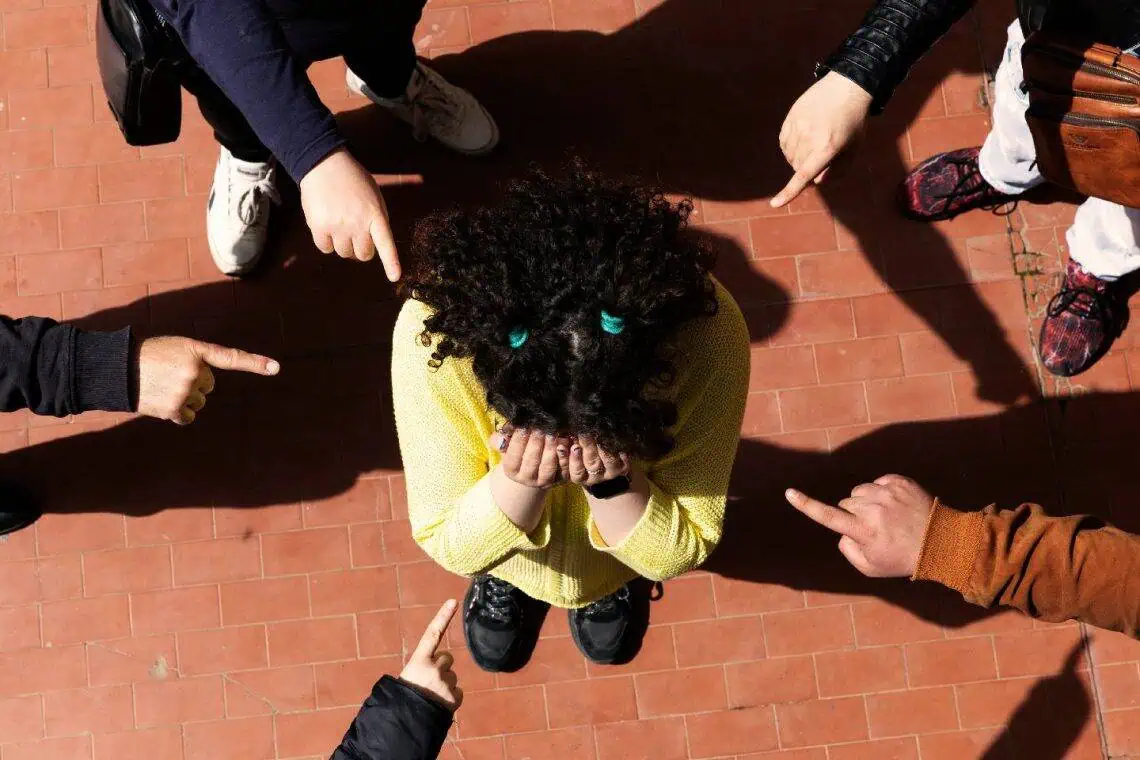

South Africa’s classrooms have become battlegrounds, with bullying surging to epidemic levels. The SA Anti-Bullying Institute (SABI) released a damning report on October 29, 2025, branding schools “unsafe havens” after a brutal assault at Cape Town’s Milnerton High School exposed systemic failures.
SABI director Toto Geza issued a blistering call to action: “Every child deserves to learn in an environment free from fear, intimidation, and harm.” The trigger? A horrific two-minute video from October 16 showing eight senior pupils armed with hockey sticks, hose pipes, belts, and pipes viciously attacking a 16-year-old Grade 10 cancer survivor as he begged for mercy.
The Milnerton Assault: Catalyst for Outrage
Nine boys were targeted in the attack, but the footage of the cancer survivor’s beating ignited nationwide fury. Eight perpetrators were suspended immediately; six faced assault charges in Cape Town Magistrate’s Court. Furious parents stormed the school gates, met with tear gas. Parliament’s Basic Education Committee chairperson Joy Maimela visited the scene and declared: “Education cannot thrive in an environment of fear.”
SABI Exposes Systemic Failures
The report highlights Section 60 of the South African Schools Act, which holds the state liable for school-related harm—yet most institutions ignore it. Schools are required to conduct anonymous bullying surveys, map high-risk “hotspots” like bathrooms, clearly define physical, verbal, and cyber bullying, and implement proven interventions. The majority fail on every count.
Parliament’s Budgetary Review echoes SABI, demanding a national anti-bullying campaign, mandatory codes of conduct, and full rollout of the National School Safety Framework with police partnership. Stellenbosch University’s Prof Nuraan Davids warns that policies alone are meaningless without an institutional ethos that rejects violence at every level.
Parents Speak: Trauma and Neglect
The victim’s mother shared her devastation: “My child had just beaten cancer—only for this to happen.” The teen has withdrawn from school, deeply traumatized. Western Cape recorded 69 bullying cases in the first half of 2025, with 65 expulsions for related misconduct. Nationwide, over 500 cases were reported in Term 1 alone.
Parents describe a pervasive “culture of bullying.” One wrote online: “My son endured physical assault and emotional abuse.” Another: “Schools ignore it until videos go viral.” Some even plead for compassion toward bullies—many are former victims trapped in cycles of violence.
Global Echoes, Local Urgency
The crisis mirrors rising concerns worldwide. In major economies, youth mental health is deteriorating, with bullying identified as a primary driver—spurring aggressive crackdowns and prevention campaigns. Research consistently shows that regular assessments, staff training, and empathy-focused cultures dramatically reduce incidents and improve academic outcomes.
October 30: Deadline for Action
SABI demands immediate risk management: identify threats, evaluate severity, control exposure. The Western Cape Education Department must enforce policies; the Department of Basic Education must launch nationwide campaigns. Parents are urged to report incidents via the toll-free line 0800 45 46 47. Schools must cultivate respect from the top down.
“Let’s stop talking and start doing,” Geza insists. “Our children’s wellbeing depends on it.” With October 30, 2025, set as the tipping point for reform, the future of South Africa’s schools hangs in the balance. Will leaders act before the next attack shatters more lives?