

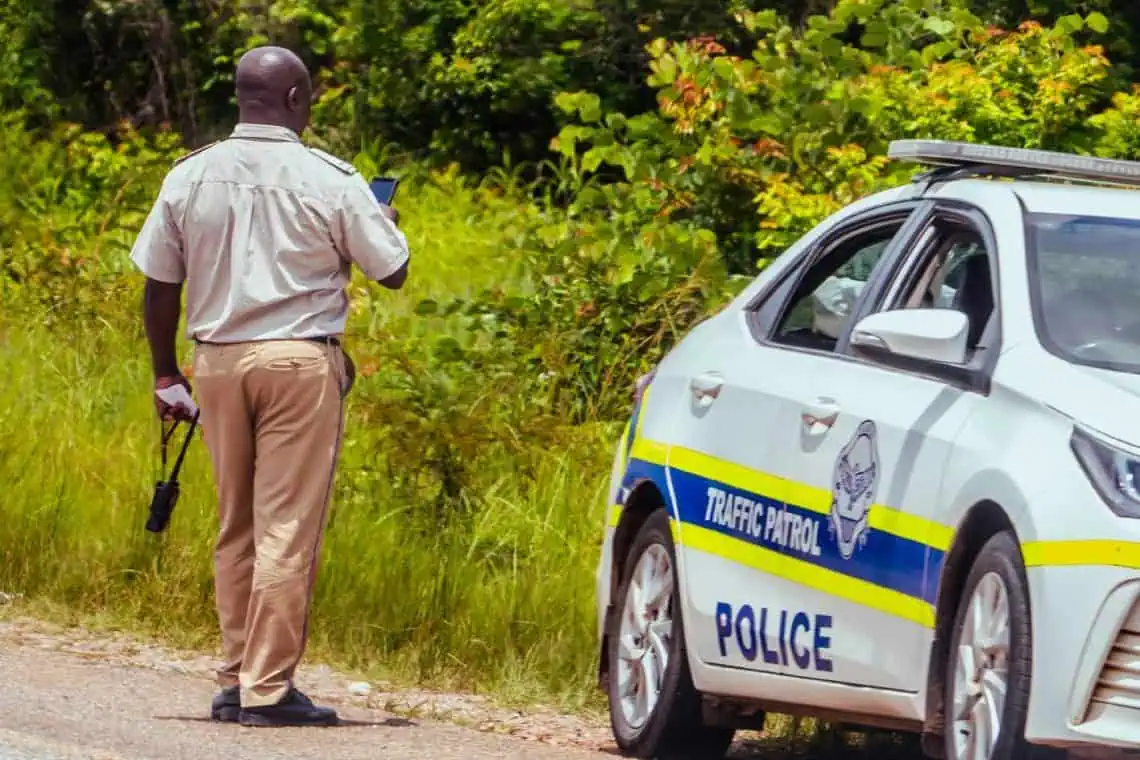

As South Africa approaches the festive season, the latest report from the South African Police Service (SAPS) offers a ray of hope amid persistent safety worries. The South Africa crime stats for Q2 2025, spanning April to September, indicate notable decreases in several violent and property-related offenses. This comes as intensified policing initiatives gain traction, but experts caution that sustaining these gains requires more than seasonal efforts. With holidays on the horizon, residents are eyeing whether these improvements signal a lasting shift toward safer communities.
Diving into the Q2 2025 Crime Data: Progress Emerges
The SAPS data for the 2025/26 financial year’s second quarter highlights incremental victories in combating violence. Contact crimes, encompassing assaults, murders, and robberies that directly harm individuals, fell by 3.1% overall—from more than 160,000 incidents in the prior year’s equivalent period to roughly 155,000. This modest yet meaningful reduction points to the budding effectiveness of focused law enforcement tactics, even as the absolute numbers remind us of the scale of the challenge.
At the forefront of positive shifts is the murder rate, long a barometer of national security. For July through September alone, murders declined by 11.5%, totaling 5,794 cases compared to 6,545 the year before. This equates to 751 fewer lives lost in just three months—a poignant statistic that underscores the human impact of these interventions. Over the full six months from April, the murder tally hovers around 11,564, or about 63 per day. Complementing this, attempted murders dropped 7.2% to 5,350, while assaults intending grievous bodily harm eased 3.8% to 38,970. These trends in the South Africa crime stats Q2 2025 are especially encouraging when viewed alongside falling aggravated robberies, suggesting a ripple effect from broader security measures.
Property offenses, too, are bending downward, easing burdens on households and businesses. Carjackings—a notorious threat to motorists—plunged 12.3% to 4,778 cases, a drop from 5,447. Residential robberies decreased 14.5% to 5,103 incidents, and non-residential robberies saw an even sharper 21.4% reduction to 3,044. High-stakes cash-in-transit heists, which often dominate headlines with their audacity and firepower, fell from 40 to 24. Such declines highlight how joint operations are fraying the edges of sophisticated criminal enterprises, disrupting supply chains for stolen goods and vehicles.
| Crime Category | Q2 2024 Cases | Q2 2025 Cases | Change (%) |
|---|---|---|---|
| Murder | 6,545 | 5,794 | -11.5% |
| Carjacking | 5,447 | 4,778 | -12.3% |
| Residential Robbery | 5,967 | 5,103 | -14.5% |
| Contact Crimes (Total) | 160,000+ | 155,000 | -3.1% |
Beyond raw numbers, these figures reflect evolving dynamics. For instance, the carjacking reduction stems partly from enhanced tracking technologies and public awareness campaigns, which have made it riskier for thieves to offload hot vehicles. Similarly, the dip in residential robberies correlates with community-led vigilance programs, where neighbors collaborate via apps and patrols to deter intruders. Yet, as SAPS officials noted during the November 2025 release in Pretoria, these wins are hard-fought and demand ongoing vigilance to prevent rebound effects.
Lingering Shadows: Areas Demanding Urgent Action
While the headlines celebrate declines, the full report reveals persistent vulnerabilities that temper enthusiasm. Sexual offenses, a critical indicator of gender-based violence, crept up 0.3% to 12,902 cases, with rapes rising 0.8% to 9,309. This subtle increase—though small in percentage terms—translates to hundreds more survivors navigating trauma, stigma, and an often overburdened justice system. Advocacy groups like Rise Mzansi have decried the uptick, linking it to underreporting and insufficient victim support services. In provinces like KwaZulu-Natal and Gauteng, where family disputes fuel many incidents, the rise underscores the need for targeted education and rapid-response counseling.
Kidnappings escalated 7.6%, signaling adaptations by criminal syndicates toward more lucrative, low-visibility operations. These cases often involve extortion rackets preying on vulnerable migrants or business owners, complicating detection efforts. Meanwhile, commercial crimes ballooned 18.5% to 36,300, straining an economy already reeling from load-shedding and inflation. Fraudulent schemes targeting SMEs— from phishing to invoice manipulation—have proliferated, with experts attributing the surge to digital vulnerabilities exposed during the pandemic.
Geographically, the disparities are stark. The Western Cape’s Cape Flats, a notorious gang stronghold, logged 668 murders from January to March 2025 alone, with 293 gang-linked killings nationwide in Q2. Hotspots like Nyanga, Inanda, and Philippi East continue to skew national averages, where poverty and unemployment amplify turf wars. Gauteng, KwaZulu-Natal, and the Western Cape shoulder the lion’s share of contact and property crimes, with metros like Cape Town Central and eThekwini leading in reported serious offenses—over 2,500 in Cape Town alone for Q2. These localized crises reveal how aggregate improvements can obscure the raw fear gripping daily life in affected areas, where simple errands carry heightened risks.
Moreover, underreporting remains a thorn. Surveys suggest only one in three sexual assaults reaches police dockets, while property crimes in rural zones often go undocumented due to remoteness. Addressing this requires not just more boots on the ground but smarter tech, like AI-driven predictive policing, to bridge gaps in data collection and response times.
Operation Shanela: The Engine Behind Early Wins
What catalyzed these mid-year downturns? Much credit flows to Operation Shanela, the high-intensity, weekly blitz that SAPS rolled out earlier in 2025. From April to September, it amassed 413,583 arrests, confiscated 3,442 illegal firearms, and shuttered 11,975 unlicensed shebeens—hotbeds for alcohol-triggered brawls. By flooding high-risk zones with visible patrols and intelligence-led raids, Shanela has dismantled nascent crime cells, from drug dens to chop shops recycling stolen cars.
As festivities loom, scaling up is underway. Lieutenant General Tebello Mosikili unveiled the integration of 3,558 fresh constables, bolstering ranks at malls, coastal spots, and highways. The Safer Festive Season campaign, spanning October 2024 to January 2025, has already snared 244,951 suspects, including 90 for murder and 158 firearms in initial sweeps. In KwaZulu-Natal, 24,515 officers target GBV and extortion rings, while Northern Cape hauls netted 280 in one week alone. These deployments aren’t mere optics; they’re data-backed, prioritizing routes with historical spike patterns.
Preliminary signs affirm Shanela’s ripple: proactive detections surged, with drug busts up 9,214 and DUI stops by 4,391. The parallel Madlanga Commission, dissecting SAPS graft, fosters internal reforms that could lock in gains. Still, conviction rates lag—hovering below 20% for murders—exposing judicial bottlenecks. Streamlining prosecutions through specialized courts could amplify arrests’ impact, turning short-term busts into enduring deterrence.
Community buy-in amplifies these efforts. Partnerships with private security firms have extended coverage, while apps like WhatsApp Safety enable real-time alerts, shrinking response windows from hours to minutes in urban enclaves.
Implications for Everyday South Africans: Hope Tempered by Reality
The Q2 2025 stats weave a complex tale: tangible strides coexist with fragility. Murder and robbery reductions mirror governance tweaks, akin to post-1994 dips when stability quelled unrest. Rural farm murders fell to six early in 2025, a boon for agricultural heartlands, though child homicides—1,100 yearly—cast long shadows, costing R238 billion in societal fallout per studies. Economically, curbing violence could unlock billions, freeing resources for education and infrastructure over reactive policing.
Civic responses are burgeoning. Neighborhood watches, now numbering over 1,500 nationwide, mesh with SAPS via forums, rebuilding eroded trust. Political discourse heats up: Rise Mzansi demands depoliticized forces, while the ACDP pushes holistic reforms. Acting Minister Firoz Cachalia’s refrain—”Crime is always unacceptable”—resonates, yet Shanela’s momentum hints at a pivot from containment to prevention.
For families, these shifts mean tentative planning: barbecues without barricades, drives sans dread. Yet, in hotspots, the stats feel abstract against lived perils—gang crossfire or midnight knocks. Bridging this perceptual chasm demands transparent communication, where SAPS shares not just drops but stories of reclaimed safety.
Charting the Future: Locking in Lasting Security
To fortify Q2’s momentum, SAPS eyes expansion. Project 10,000 recruits to swell ranks, countering a 1:450 officer-to-citizen ratio. Twenty-four-hour shifts and analytics pinpointing hotspots promise precision strikes, averting seasonal surges. Tackling roots—inequality, youth idleness, GBV—calls for multisectoral pushes: school programs curbing substance abuse, job pipelines in townships, and shelters scaling to meet demand.
International benchmarks offer blueprints. Singapore’s community policing model, blending tech with outreach, slashed violent crime 20% in a decade; South Africa could adapt via localized versions. Domestically, piloting restorative justice in pilot precincts might ease court clogs, fostering accountability without incarceration overload.
Envision streets where holiday illuminations eclipse anxiety. The April-September data proves feasibility. With Shanela in overdrive, 2025 might etch violence’s ebb—not ephemeral, but etched in policy. Yet, success hinges on synergy: government resolve, civic engagement, private innovation. Complacency courts reversal; unity forges resilience.
Ultimately, this SAPS dossier isn’t triumph but tocsin. As tallies tumble, torpor must too. For kin convening ’round tables this yuletide, the ledger murmurs assurance: maybe, this time, merriment endures undimmed.