

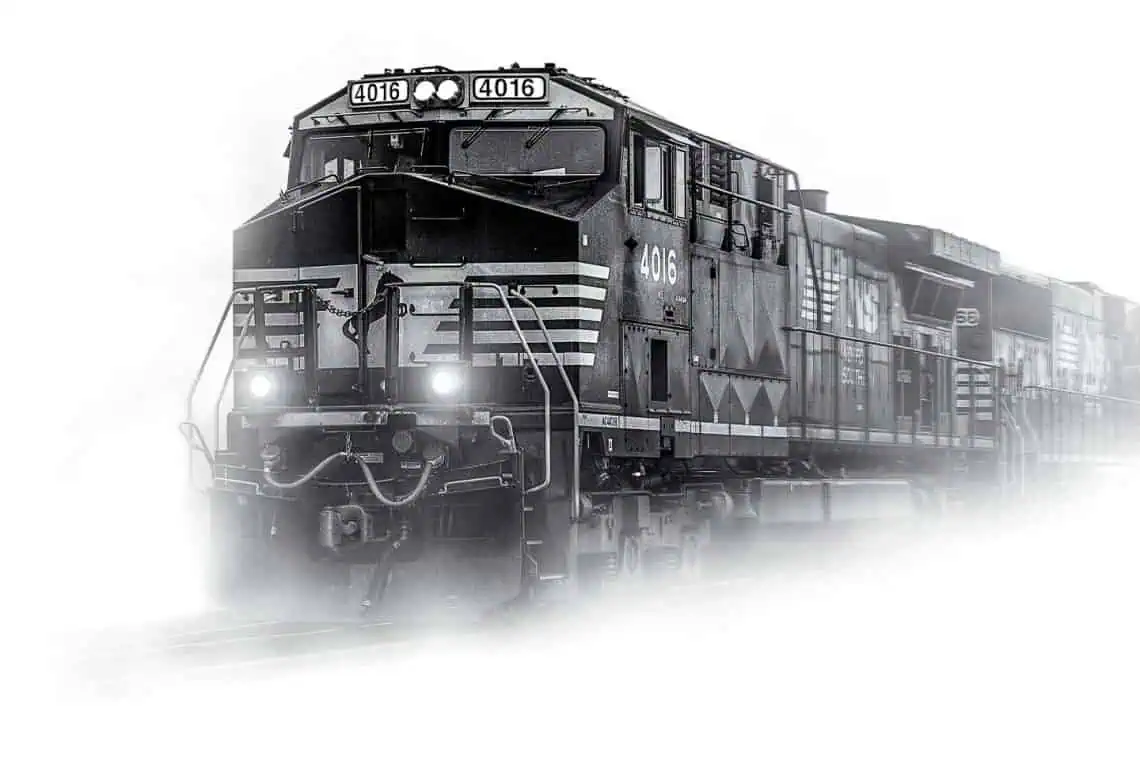

South Africa’s freight rail network, long plagued by inefficiencies, theft, and underinvestment, is on the cusp of a transformative revival. At the heart of this shift is Traxtion’s bold R3.4 billion investment in locomotives and wagons—a move hailed as the largest private freight rail commitment in the nation’s history. This infusion not only signals confidence in ongoing reforms but promises to supercharge the rail sector, creating thousands of jobs and revitalizing key industries like mining and exports. As companies rally behind the logistics overhaul, the stage is set for a more competitive, efficient transport backbone that could propel South Africa’s economy forward.
The Crisis That Paved the Way for Reform
For years, Transnet Freight Rail (TFR), the state-owned giant managing over 21,000 kilometers of track, has grappled with severe challenges. Freight volumes plummeted from 226 million tonnes in 2017/18 to 152 million tonnes in 2023/24, largely due to locomotive shortages, vandalism, cable theft, and a staggering maintenance backlog estimated at R50 billion over five years. This decline diverted cargo to costly road transport, inflating logistics expenses by up to four times and costing the economy billions in lost opportunities. Between 2021 and 2023 alone, South Africa forfeited significant revenues in coal and iron ore exports, according to the Minerals Council.
The ripple effects were profound. Mining operations scaled back, putting thousands of coal jobs at risk, while agricultural exporters in the Western Cape lost nearly R1 billion annually to port delays. Transnet’s monopoly, in place for over a century, stifled innovation and private investment, leaving the network vulnerable. Enter the government’s Freight Logistics Roadmap, approved in December 2023, and the National Rail Policy of March 2022—these blueprints mandated liberalization, separating infrastructure management from operations to invite third-party players.
Traxtion’s R3.4 Billion Bet: Details of the Groundbreaking Deal
Traxtion, Africa’s leading private rail operator with 38 years of experience across 10 countries, is leading the charge. On December 2, 2025, the Johannesburg-based firm announced a fully funded R3.4 billion acquisition: 46 diesel-electric locomotives from New Zealand’s KiwiRail for R1.8 billion and 920 wagons for R1.6 billion. The locomotives, upgraded to the efficient C30MEI specification with fuel-saving engines and advanced Brightstar controls, will arrive starting May 2026, with full deployment by August 2027.
Equity from Harith Partners (holding 30% of Traxtion) and debt from Absa back the deal, underscoring strong financial confidence. Crucially, this fleet—nearly doubling Traxtion’s current assets—will add 4.5 million tonnes of annual haulage capacity, addressing about 5% of the gap between current volumes (160 million tonnes) and the government’s 250 million tonne target by 2029. CEO James Holley emphasized that the investment hinges on reforms like the auction-based slot system, which allocates underused track capacity without displacing Transnet.
A Jobs Bonanza: From Track to Factory Floor
Traxtion’s move is more than metal and machinery—it’s a catalyst for employment. The upgrade process will leverage local manufacturing in Koedoespoort and Durban, creating direct jobs in assembly, maintenance, and operations. Broader reforms, including this investment, are projected to safeguard existing roles while generating thousands more across the supply chain. Transport Minister Barbara Creecy highlighted how third-party access fosters inclusive growth, preserving jobs amid efficiency gains.
The New Development Bank‘s Freight Rail Sector Improvement Program, supporting Transnet’s capex for infrastructure renewal and wagon fleets, echoes this: enhanced rail will stimulate economic activity and productivity, slashing transport costs and boosting competitiveness. With private operators like Traxtion entering the fray, experts anticipate a ripple of 30,000+ jobs in rail-adjacent sectors, from logistics to engineering, aligning with national priorities for youth employment and skills development. This investment alone is expected to create 662 permanent jobs, including train crew and technicians, plus significant manufacturing roles.
Reviving Mining and Exports: A Lifeline for Key Sectors
Mining, contributing 7.5% to GDP and half a million jobs, stands to gain immensely. Coal and iron ore exporters, battered by rail bottlenecks, could reclaim lost ground. Traxtion’s capacity boost targets high-demand corridors like Mpumalanga to Richards Bay, where coal lines already move 62 million tonnes yearly. Partnerships like Transnet’s with Exxaro Resources—aiming for up to 7.2 million tonnes of coal exports in 2025—and United Manganese of Kalahari‘s 10-year manganese deal underscore the momentum.
Overall, 11 approved private operators across 41 routes are set to add 20 million tonnes annually from 2026/27, potentially unlocking R100 billion in further investments. This road-to-rail migration will cut emissions, reduce road wear, and enhance export reliability, positioning South Africa as a mineral trade powerhouse under its Critical Minerals Strategy.
Industry Cheers: Companies Embrace the Overhaul
Business leaders are optimistic. The Southern African Venture Capital and Private Equity Association praises the shift toward private sector participation, mirroring successes in ports like the new Richards Bay container terminal. Mining firms, long frustrated by delays, now see a path to recouped revenues. Holley notes Traxtion’s non-reliance on slots alone, blending own-rail ops with network access for resilience.
Government backing—R149 billion in guarantees, plus funding from international lenders—ensures infrastructure upgrades, from signaling to overhead lines. Creecy’s call for RFPs this month will accelerate this, fostering a collaborative ecosystem.
Challenges Ahead: Navigating the Tracks to Success
Yet hurdles remain. Transnet requires R35 billion for urgent repairs, and regulatory teething issues could delay private entry until mid-2026. Vandalism persists, demanding robust security. Success hinges on equitable access, transparent auctions, and Transnet’s pivot to a neutral infrastructure manager.
Stakeholder alignment is key; mines must balance growth ambitions with job preservation goals. Quarterly monitoring by the Interim Rail Economic Regulatory Capacity will ensure accountability.
A Brighter Horizon: Freight Revival on the Fast Track
Traxtion’s R3.4 billion investment is a beacon of hope, kickstarting a private rail boom that could restore South Africa’s logistics prowess. By boosting capacity, creating jobs, and empowering mining exports, it aligns with a vision of sustainable, inclusive growth. As reforms mature, expect more players to join, transforming rusty tracks into economic arteries. South Africa’s rail renaissance isn’t just underway—it’s accelerating, promising a freight future that’s efficient, equitable, and unstoppable.
With volumes eyeing 250 million tonnes by 2029, the overhaul’s dividends—lower costs, greener transport, and fortified trade—will ripple nationwide. For industries long sidelined, this is more than investment; it’s ignition. Traxtion’s commitment not only doubles its fleet but sets a precedent for others, potentially drawing R100 billion in total private capital to rail over the next decade. Coupled with government guarantees and international loans, this positions South Africa to reclaim its role as Africa’s logistics powerhouse, fostering job growth in maintenance hubs like Rosslyn and Durban, where upgrades will employ hundreds in skilled roles. The synergy between Traxtion’s operational expertise and Transnet’s infrastructure promises reduced emissions through modal shift from roads, aligning with global sustainability goals while slashing logistics costs by up to 30% on key routes. As Holley notes, every additional locomotive lowers costs, protects roads, and creates upstream jobs— a multiplier effect that could add billions to GDP. Challenges like vandalism require vigilant security, but with IRERC oversight ensuring fair play, the reforms build resilience. This isn’t mere revival; it’s reinvention, turning South Africa’s rail woes into a competitive edge for the green economy era.