


Inflation is scorching South Africa’s beloved braai tradition, but clever firemasters are fighting back with wallet-friendly twists on classics using abundant local produce and supermarket steals.
The October Pinch: Why Your Braai Budget is Feeling the Heat
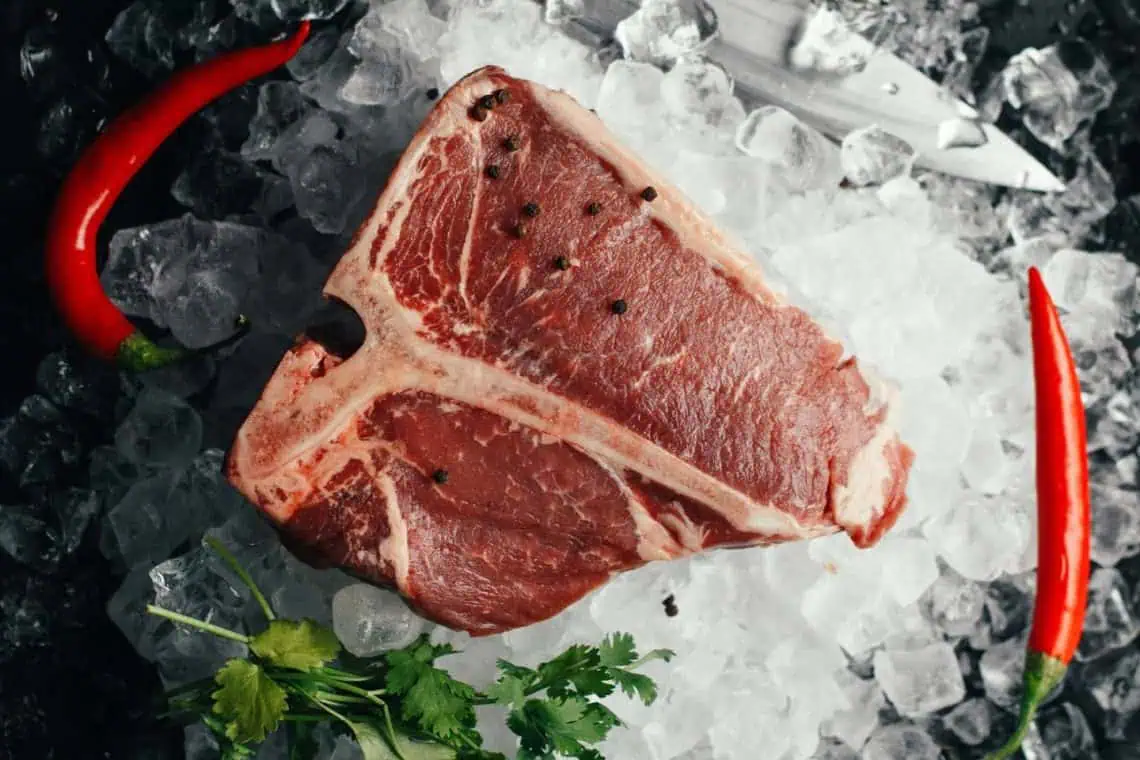
Spring sunshine should signal endless braai bliss across South African backyards, yet October 2025 delivered a harsh reality check. The informal yet insightful Braai Index, which tracks the cost of core grilling staples, revealed beef prices surging 20% year-on-year while overall meat inflation clocked in at 11.7%. What used to be an accessible weekend ritual now demands careful budgeting to avoid turning the fire into a financial fiasco.
Compiled by economists and passionate food observers, the Braai Index monitors essentials like boerewors, lamb chops, and rump steak. September 2025 saw the index rise 1.6% from the previous year, propelled by a staggering 25% beef hike in August. October maintained a 0.5% month-on-month creep, pushing a standard braai pack from around R150 last year to nearly R180 at major retailers like Checkers or Pick n Pay. Drought-elevated feed costs, lingering global supply disruptions, and a depreciating rand have collectively driven protein prices to uncomfortable heights.
Beyond spreadsheets, this trend strikes at cultural heartstrings. Heritage Day gatherings on September 24 stretched household finances, and the fallout continues. Social platforms brim with frustration—from Johannesburg suburbs to Cape Town townships, posts declare braai budgets “charred beyond recognition.” With food inflation at 3.4% overall, meat’s 11.3% annual grocery bill impact stands out painfully. For communities where braaiing binds friends and family, these increases risk dimming a cherished national flame.
Regional variations amplify the strain. In KwaZulu-Natal, coastal humidity pairs with pricier transport logistics, nudging costs higher than in Gauteng. Meanwhile, Western Cape wine farms report butchers rationing premium cuts for export markets, leaving locals with slimmer pickings. Even poultry, typically a budget buffer, faces pressure from avian flu recovery, though chicken inflation remains subdued at 3.1%—a rare bright spot amid the blaze.
Unpacking the Surge: Key Drivers Behind Meat Price Spikes
Beef and pork lead the charge upward. The consumer price index for meat climbed from 110.2 in August to 110.8 in September. Boerewors prices jumped 15% in certain provinces, while lamb follows closely. Seafood inflation lingers at a modest 2.8%, yet few swap sosaties for squid when tradition calls. Poultry supplies, hit by outbreaks, contribute indirectly by shifting demand toward red meats.
Export pull exerts outsized influence: premium South African cuts fetch higher margins abroad, especially in Middle Eastern and Asian markets where halal certification adds value. Domestic fuel prices, up 5% year-on-year, inflate transport from farm to fork. The Bureau for Food and Agricultural Policy (BFAP) September Food Inflation Brief identifies meat as the chief culprit behind headline CPI edging from 3.3% to 3.4%. Maize feed costs, despite a recent 22% drop thanks to bumper harvests, haven’t fully offset earlier drought damage.
Climate volatility compounds everything. Erratic rainfall patterns disrupt grazing lands, forcing farmers to supplement with expensive grains. Veterinary challenges, including foot-and-mouth disease controls, restrict herd mobility and exports intermittently, creating supply bottlenecks. Currency weakness imports inflation via equipment and fertilizer costs, completing a vicious cycle that lands squarely on consumer plates.
Yet resilience shines through. Online communities and radio call-ins overflow with adaptation strategies. A bountiful yellow maize crop has slashed staple prices, keeping pap and mealies affordable. Seasonal vegetables—butternut, gem squash, green beans—flood markets at under R10 per kilogram, inviting creative braai menus that prioritize flavor over fillet.
Master the Flames on a Budget: Proven Hacks for Every Firemaster
No need to extinguish the braai dream. Strategic shopping, vegetable ingenuity, and classic reinventions keep gatherings vibrant without wallet wreckage. Here’s how to sizzle smarter.
1. Deal Hunting: November 2025 Bargain Hotspots
Supermarket apps are goldmines. Woolworths and Spar frequently slash 20–30% off chicken quarters and boerewors mid-week—set alerts. Pick n Pay’s Xtra Savings card spotlighted R99 per kilogram rump steak in late October, ideal for freezer stocking. Township butcheries in Soweto or Mitchells Plain often beat chain prices on mince and offcuts; negotiate for R50 per kilogram ground beef perfect for kofta-style patties.
Farmers’ markets deliver freshness and value. Johannesburg’s Neighbourgoods Market or Cape Town’s Oranjezicht City Farm offer herbs, chillies, and seasonal greens at producer prices. Apps like Too Good To Go rescue surplus proteins at half cost, transforming potential waste into braai windfalls while supporting sustainability.
Bulk buying clubs on WhatsApp groups pool purchases for wholesale discounts. Co-ops in rural Limpopo secure lamb shoulders at R70 per kilogram when ordered by the crate. Timing matters—shop Tuesday mornings when restocks hit and weekend crowds thin.
2. Vegetable Firepower: Cheap, Charred, and Irresistible
Local produce counters protein pain effortlessly. Gem squash and butternut, peaking in spring, grill to buttery perfection for under R10 per kilogram. Skewer mielie chunks, red peppers, and mushrooms with sparse chicken strips for vibrant kebabs feeding four for R100 or less.
Chakalaka remains a braai MVP. Combine tinned tomatoes (R8 per can), onions, carrots, and beans for a spicy side that stretches across pap or braaibroodjies. Grill brinjal slabs brushed with peri-peri and garlic oil to mimic meaty texture at pennies per portion. Sweet potatoes roast alongside, needing only salt and smoke.
- Caramelized Veggie Tray: Halve gem squash, baby marrows, and sweet potatoes; toss in olive oil, rosemary, and lemon zest. Grill 20 minutes—R40 serves six generously.
- Chakalaka-Charred Mielies: Blanch corn cobs, then char and baste with chakalaka-spiked butter. R5 per cob delights crowds.
- Stuffed Pepper Bombs: Fill bell peppers with black-eyed peas, feta, and herbs; foil-wrap and smoke for 15 minutes.
- Butternut Braai Rings: Slice thick, season with cinnamon and chilli, grill until golden—pairs sweetly with savory wors.
These swaps slash costs and boost health, delivering fiber, antioxidants, and satisfaction. Radio hosts joke that vegetables are “the new steak,” but the proof is in the empty plates.
3. Tradition Reimagined: Stretch Classics Without Sacrifice
Boerewors rolls evolve with lentils or chickpeas blended into the mince, yielding juicier, cheaper patties. Marinate affordable mutton neck in yogurt, apricot jam, and mild curry for sosaties that serve eight from one kilogram. Crush Magazine-inspired potato salad swaps white potatoes for orange sweet ones, tossed with homemade atchar for R25 total.
Dessert stays simple: grill pineapple rings dusted with cinnamon and drizzle with honey—seasonal fruit at its smoky best. Potjiekos shines with shin or brisket, slow-cooked with cabbage, carrots, and pearl barley to feed a dozen for under R200. Portion platters encourage sharing, maximizing every rand and minimizing waste.
Marinades work overtime: soy, ginger, and garlic transform chicken drumsticks into Asian-inspired sticks rivaling pricier ribs. Leftover veggies become breakfast braai hashes the next day, extending value across meals.
Future Flames: Why the Braai Spirit Endures
October’s Braai Index may signal caution, but South African ingenuity turns challenge into triumph. Abundant harvests, digital deal networks, and vegetable creativity ensure the gridiron stays central to weekends, holidays, and spontaneous sundowners. Inflation tests resolve, yet the ritual—laughter over flickering coals, stories swapped with cold drinks—remains priceless.
Imagine Durban beaches alive with mielie smoke, Pretoria gardens fragrant with chakalaka, or Limpopo bomas echoing with potjie bubbles. These scenes prove adaptation enriches tradition rather than diminishing it. Falling maize prices and thriving small-scale farmers signal brighter months ahead for affordable feasts.
Ultimately, braai value transcends currency. It’s measured in connections forged, heritage honored, and resilience celebrated. Arm yourself with these strategies, rally your crew, and keep the fires burning bright. Here’s to countless more gatherings where flavor, frugality, and fierce pride collide—Mzansi style.