

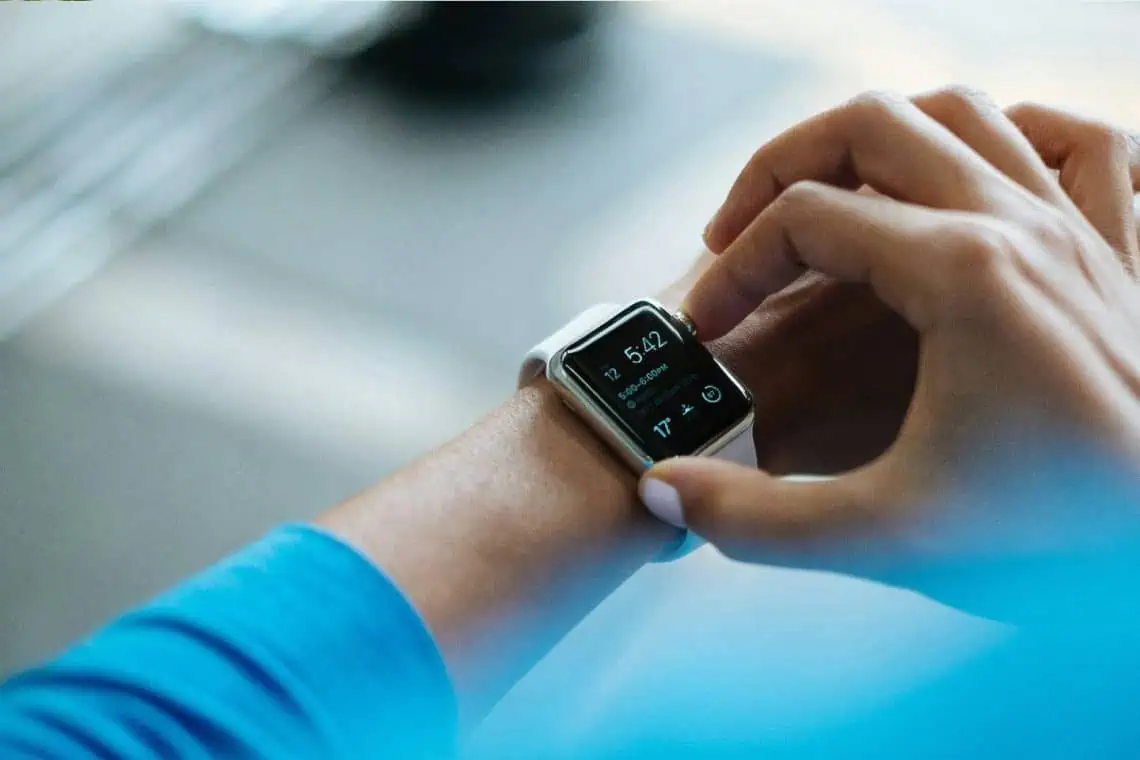

The Huawei Watch Fit 3 features an always-on display, GPS tracking, and compatibility with Android and iOS. It also includes blood oxygen monitoring, making it a versatile choice for daily runs.
FocusFit Pro-T500 delivers reliable heart rate and sleep tracking, proving that budget options can still meet fitness needs effectively.
Health Tracking Tips for Better Performance
To get the most from wearable devices, runners should monitor heart rate zones, aiming for 70-85% of their maximum for endurance training. Sleep tracking helps ensure adequate recovery, with 7-9 hours nightly recommended.
Set personal goals via apps, track weekly mileage, and use guided breathing features to manage stress. Regularly syncing data reveals performance trends, and users should consult a healthcare professional if irregularities appear.
Global Tech Trends Shaping Local Markets
Wearable trends from leading international brands influence South Africa’s market. For instance, the latest Apple Watch Series 11 offers hypertension detection through continuous heart rate monitoring, alerting users to potential health risks.
The Apple Watch Ultra 3 provides satellite connectivity and longer battery life, appealing to adventurers exploring varied landscapes, while the SE 3 delivers entry-level health tracking with fast charging.
Technology exports are also enhancing the local wearable market. Innovative wrist devices now incorporate features inspired by advances in battery and connectivity tech, delivering high-quality performance and helping grow digital-sector jobs.
In summary, as wearable devices gain popularity, South Africans are experiencing a fitness revolution. Whether tracking daily steps or training for marathons, these devices are elevating performance and promoting healthier lifestyles across the country.
As October 23, 2025, unfolds, wearable technology is reshaping fitness across South Africa. From bustling urban streets to local gyms, smartwatches and fitness trackers are revolutionizing how people approach health and exercise. The South African wearable technology market is expected to grow at a 13.5% annual rate from 2025 to 2030, fueled by rising health awareness and technological innovation.
Revenue in the fitness tracker segment alone is projected to reach US$228.97 million this year, highlighting the growing enthusiasm for wearable devices nationwide.
This surge is particularly visible among runners in vibrant communities like Soweto, where the iconic Soweto Marathon attracts athletes from all walks of life. Fitness trackers not only measure steps and distance but also provide actionable insights, turning casual exercise into precise, data-driven training.
The Rise of Wearable Tech in South Africa’s Fitness Scene
Wearable devices track vital health markers such as heart rate, steps, and sleep patterns in real time, making them essential for fitness enthusiasts.
The market for wearable health devices in South Africa is projected to expand from USD 42.6 billion in 2025 to USD 112.5 billion by 2031, supported by a growing middle class and rising chronic disease rates.
For runners navigating hilly urban terrain, these devices offer GPS mapping, performance analytics, and virtual competition, turning every run into a measurable and motivating experience.
Top Gadgets for Runners in 2025
Serious athletes favor the Garmin Fenix 8 for its superior tracking, personalized workout recommendations, and long-lasting battery—ideal for extended training sessions.
Its advanced GPS ensures accurate mapping of diverse routes, from city streets to rugged trails.
The Fitbit Charge 6 is another popular choice, offering cross-platform support, robust activity tracking, and affordability. It tracks pace, distance, and calories without overwhelming users with complexity.
For multisport enthusiasts, the Garmin Forerunner 265 provides precise cardio metrics and training load analysis, suitable for both running and cycling.
These devices integrate seamlessly with apps like Strava, enabling runners to share achievements and stay motivated within their communities.
Budget-Friendly Options Without Sacrificing Quality
Affordable alternatives are widely available without compromising performance. The Xiaomi Smart Band 9 offers heart rate monitoring, sleep tracking, and step counting at a fraction of premium prices, making it perfect for beginners.
The Huawei Watch Fit 3 features an always-on display, GPS tracking, and compatibility with Android and iOS. It also includes blood oxygen monitoring, making it a versatile choice for daily runs.
FocusFit Pro-T500 delivers reliable heart rate and sleep tracking, proving that budget options can still meet fitness needs effectively.
Health Tracking Tips for Better Performance
To get the most from wearable devices, runners should monitor heart rate zones, aiming for 70-85% of their maximum for endurance training. Sleep tracking helps ensure adequate recovery, with 7-9 hours nightly recommended.
Set personal goals via apps, track weekly mileage, and use guided breathing features to manage stress. Regularly syncing data reveals performance trends, and users should consult a healthcare professional if irregularities appear.
Global Tech Trends Shaping Local Markets
Wearable trends from leading international brands influence South Africa’s market. For instance, the latest Apple Watch Series 11 offers hypertension detection through continuous heart rate monitoring, alerting users to potential health risks.
The Apple Watch Ultra 3 provides satellite connectivity and longer battery life, appealing to adventurers exploring varied landscapes, while the SE 3 delivers entry-level health tracking with fast charging.
Technology exports are also enhancing the local wearable market. Innovative wrist devices now incorporate features inspired by advances in battery and connectivity tech, delivering high-quality performance and helping grow digital-sector jobs.
In summary, as wearable devices gain popularity, South Africans are experiencing a fitness revolution. Whether tracking daily steps or training for marathons, these devices are elevating performance and promoting healthier lifestyles across the country.